
Last updated October 16, 2026
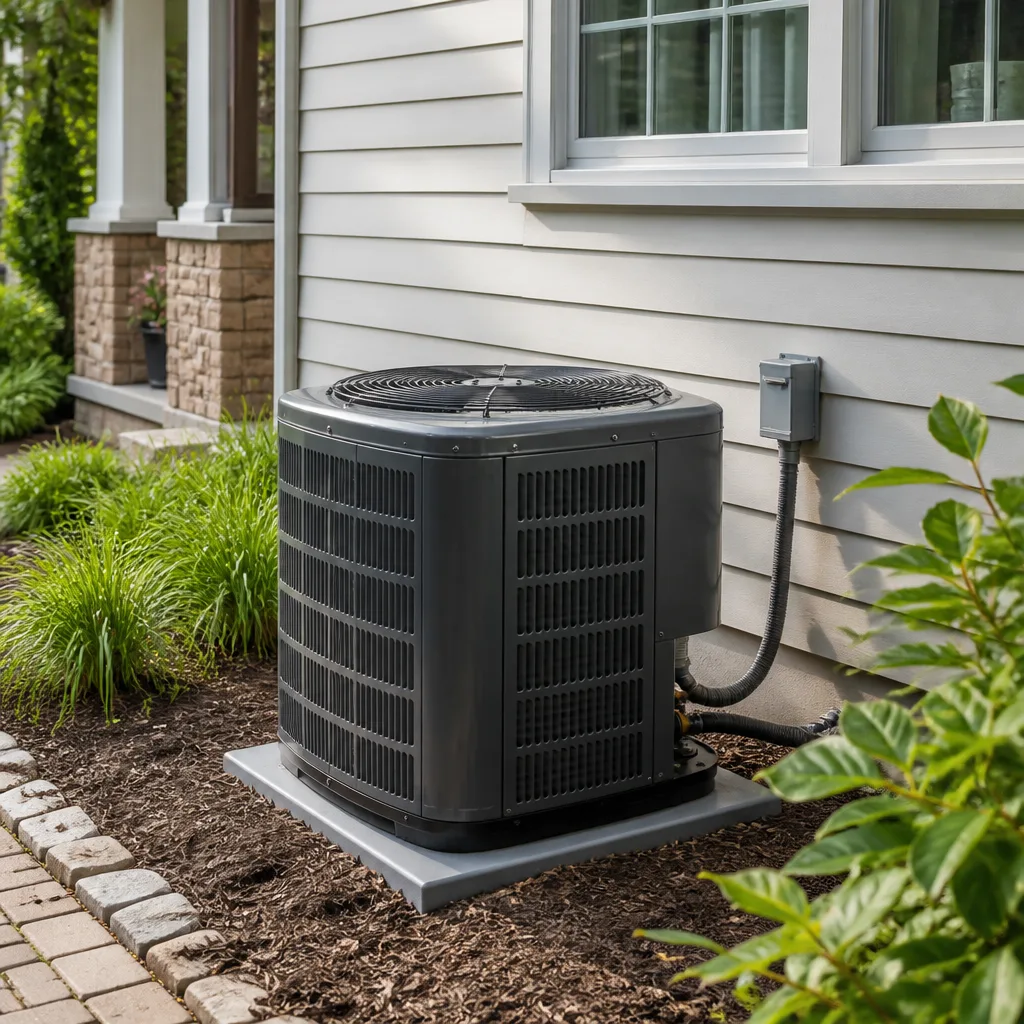 AC repair
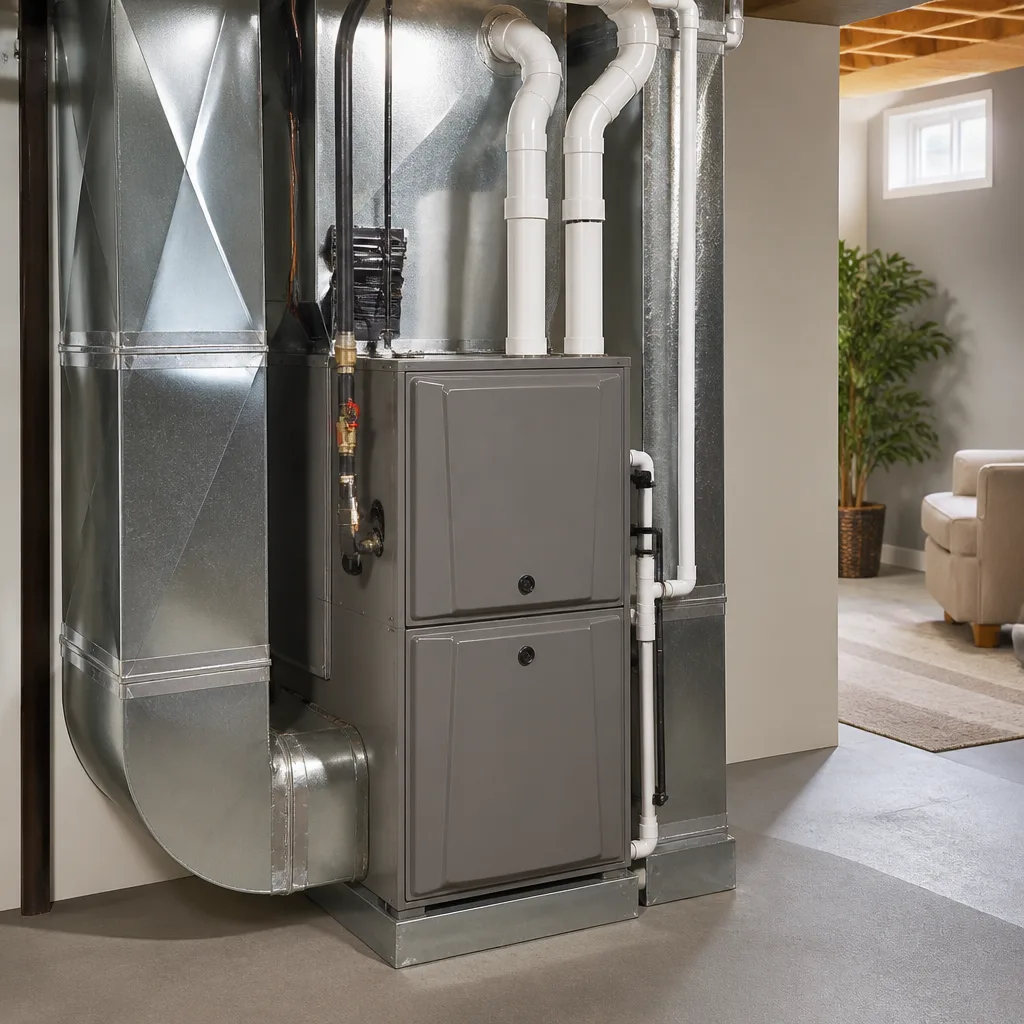 Furnace & heating
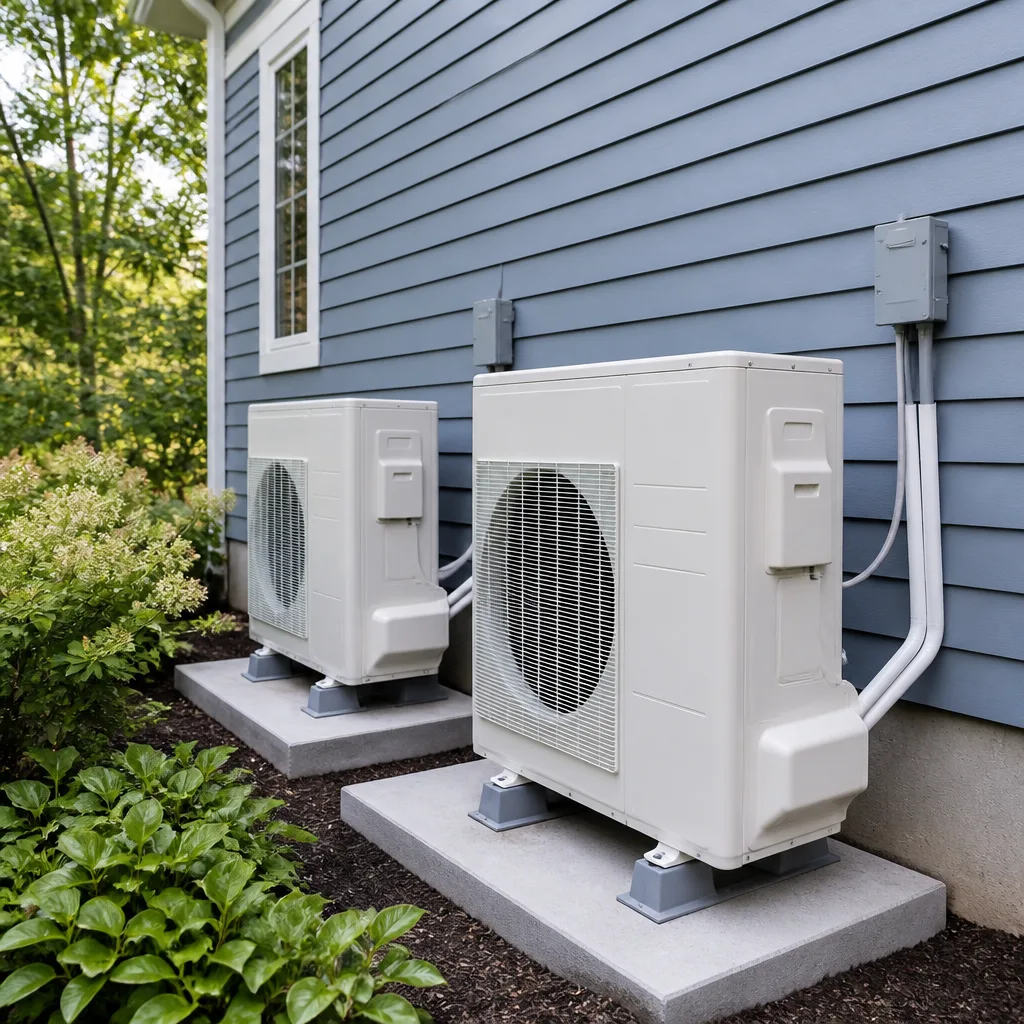 Heat pumps
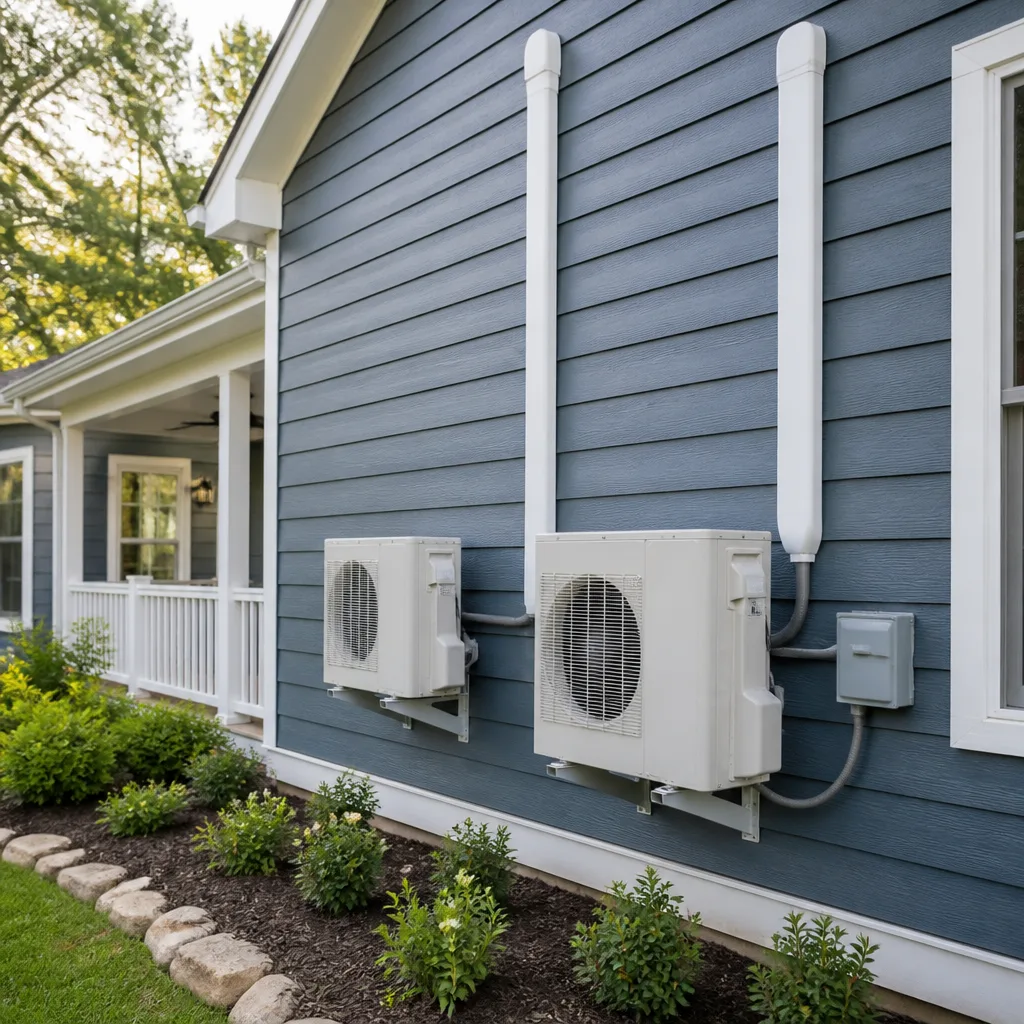 Ductless mini splits
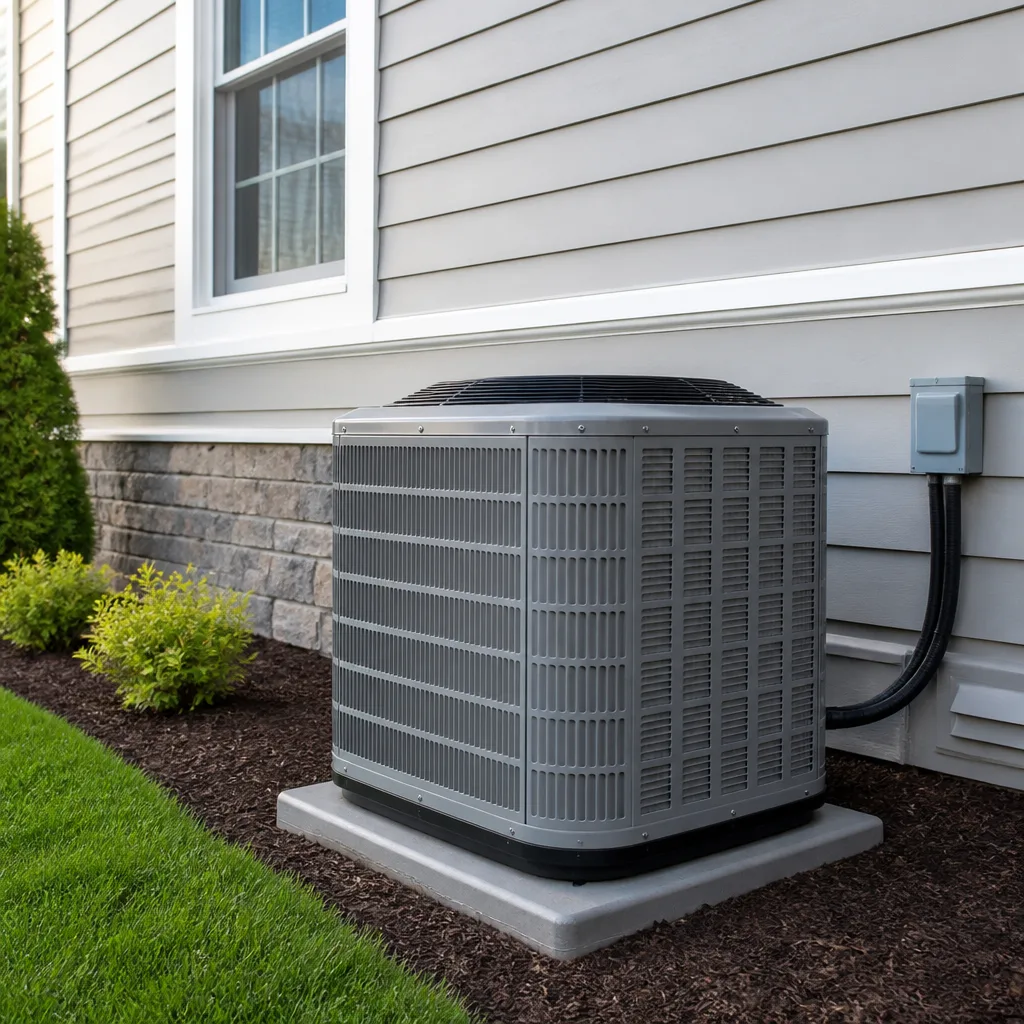 Carrier
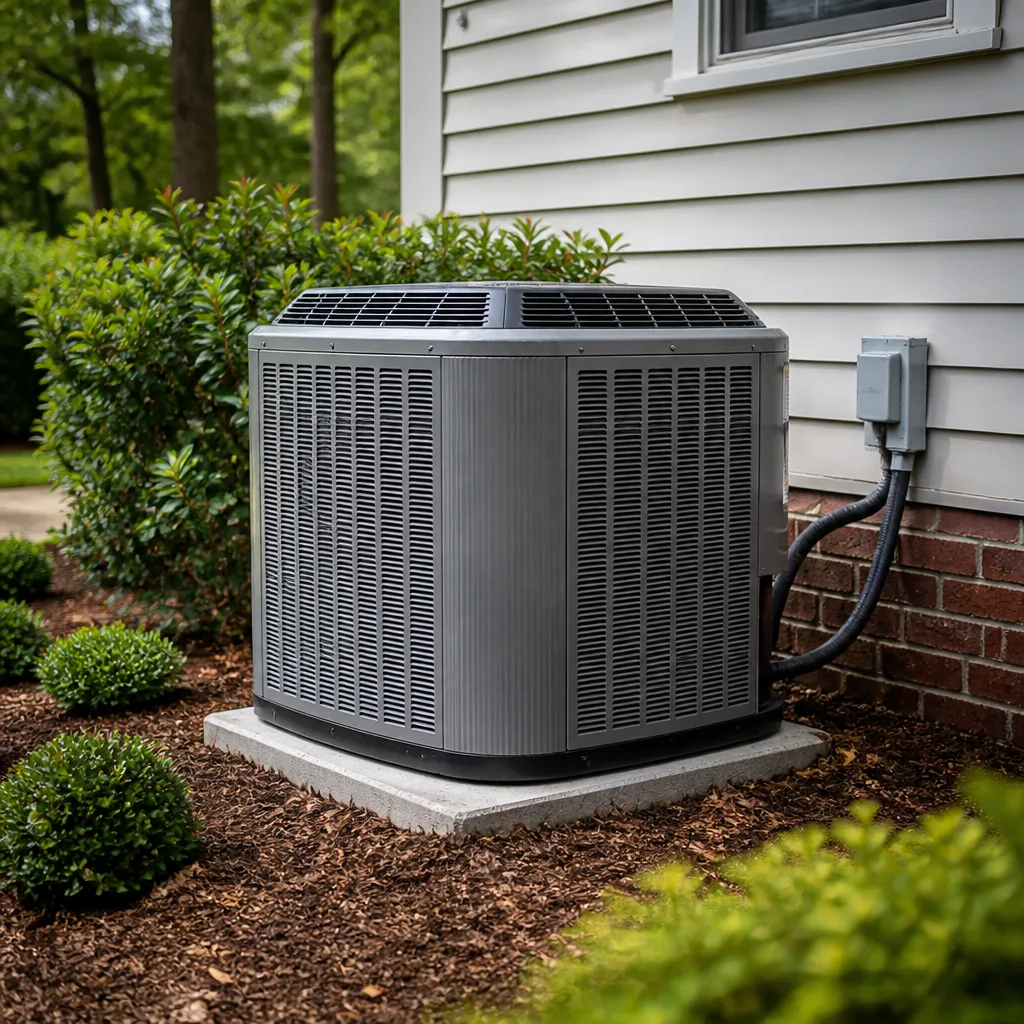 Trane
Trane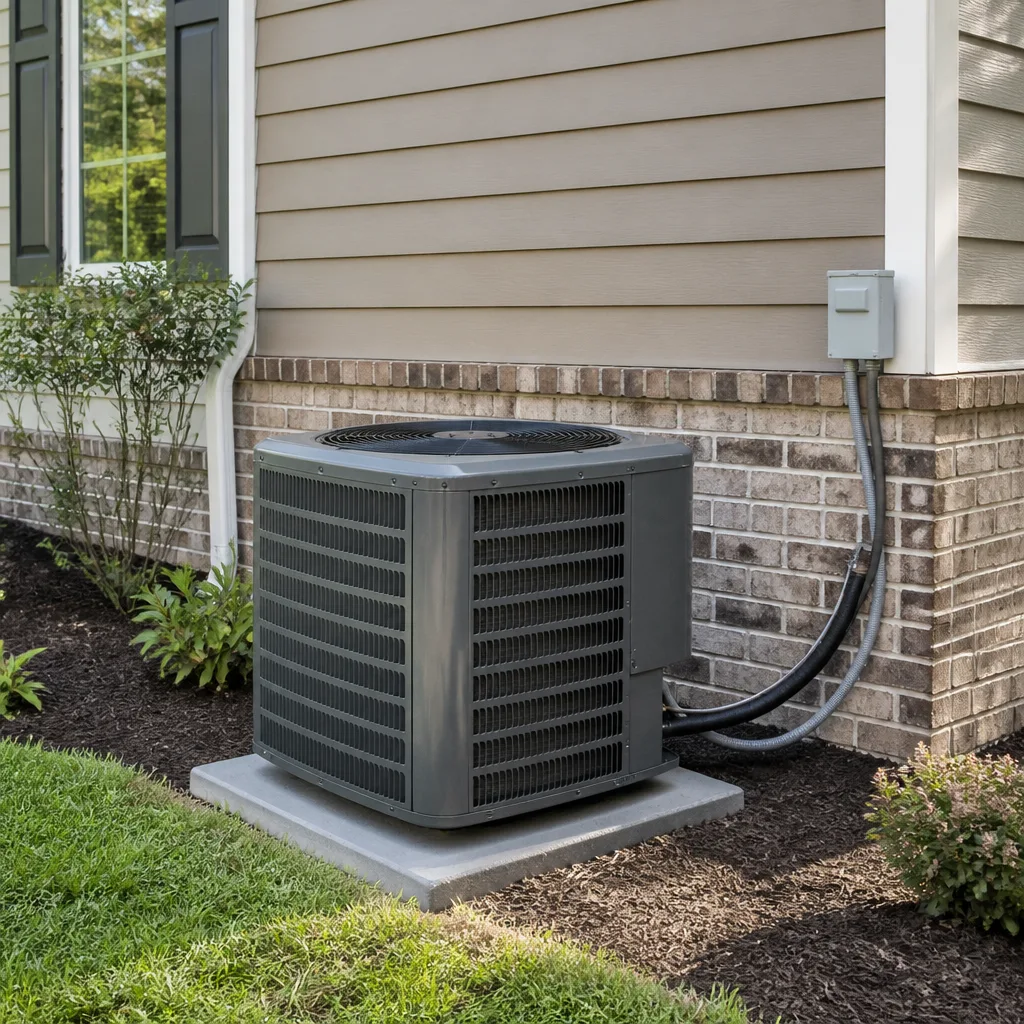 Goodman
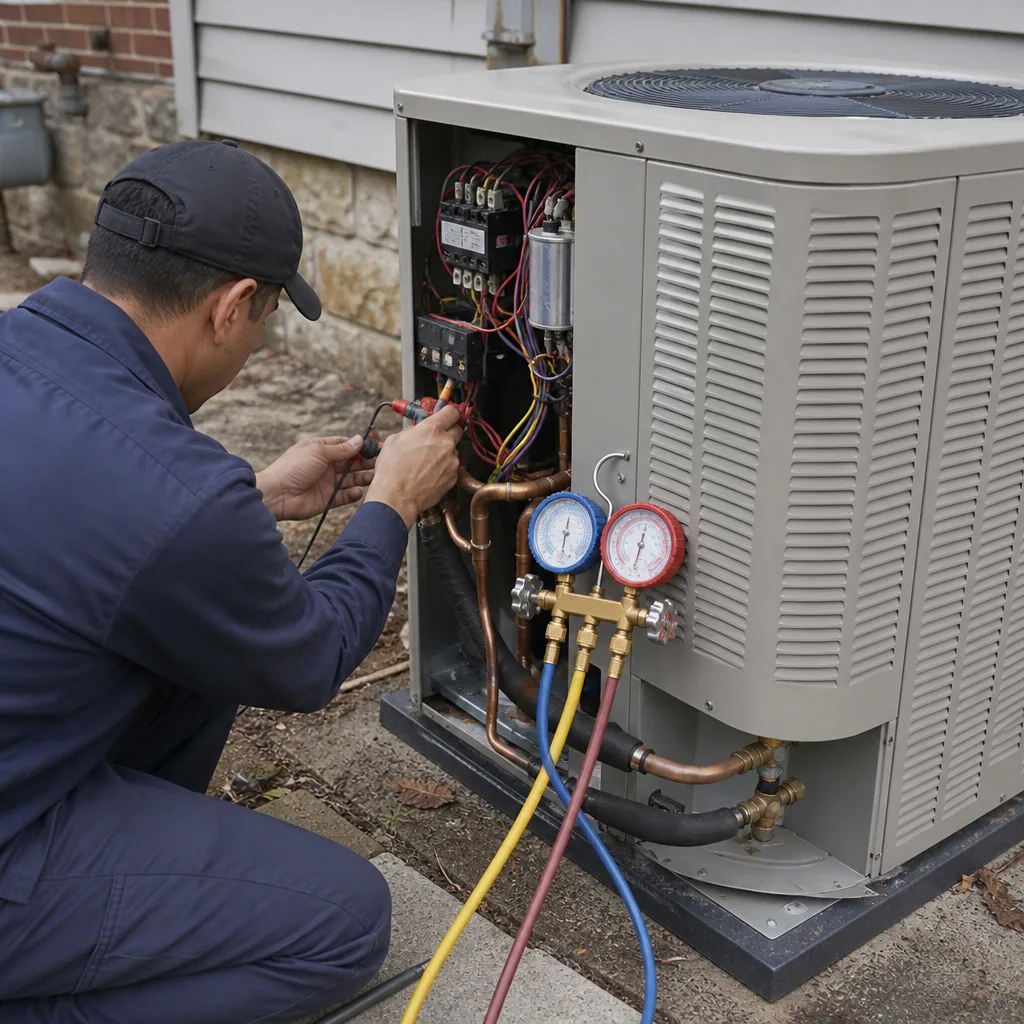
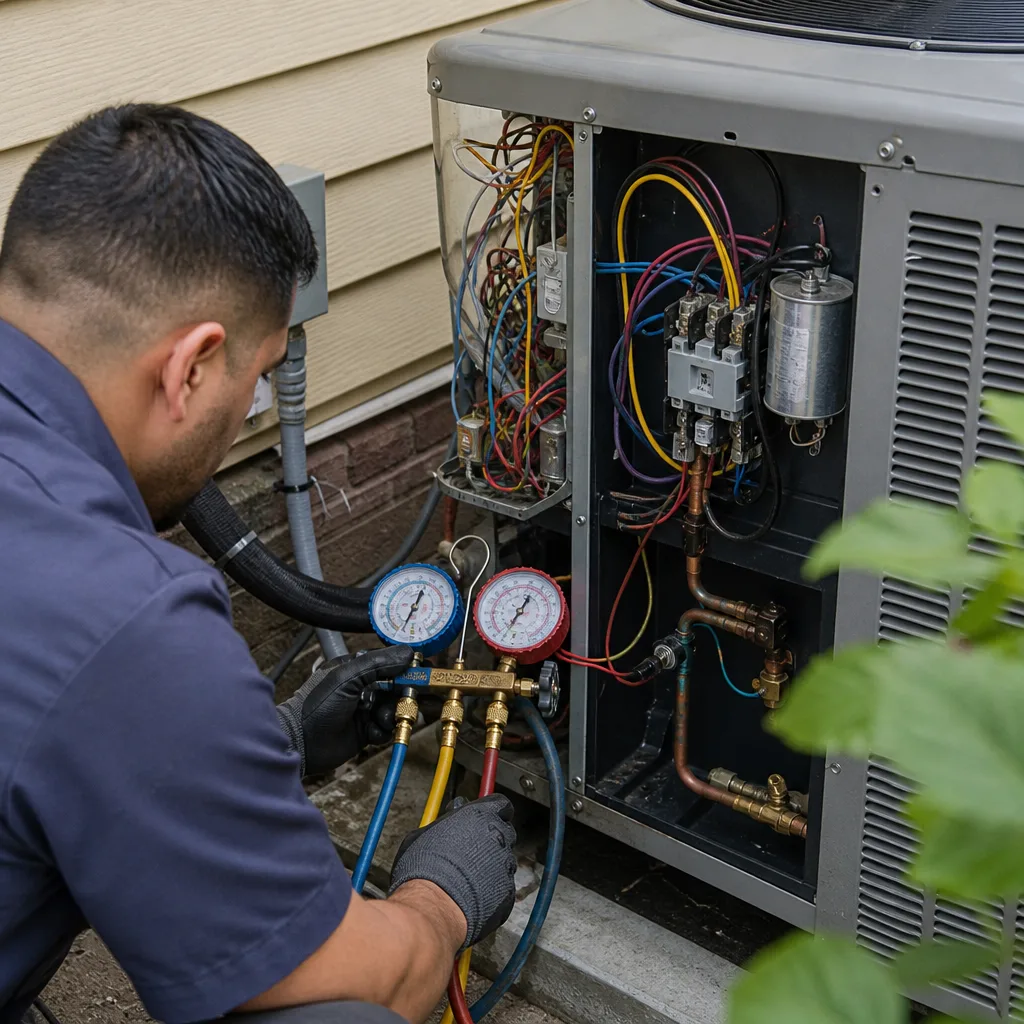
Seasonal tune-up and full diagnostic on your Carrier, Trane, or Goodman system - readings shown to you before any repair is proposed
Diagnosis first, numbers second - you approve the repair price before a single part goes in.
Get your free estimateThe Complete Guide to HVAC in Brooklyn
Brooklyn has more than 280,000 residential units, and fewer than 40% were built after central air conditioning existed. That single fact explains why heating and cooling in this borough feels nothing like it does in the suburbs. A brownstone built in 1910, a co-op tower from 1965, and a new condo on the Williamsburg waterfront each demand a completely different approach to equipment, ductwork, and permits. This guide walks through how building era, neighborhood geography, and New York City code shape every HVAC decision you’ll make in Brooklyn, from choosing a system to understanding what a fair price looks like.
Quick Answer
The right HVAC system for a Brooklyn home depends primarily on the building’s age and construction type, not just square footage. Pre-war brownstones and townhouses typically need high-velocity mini-duct systems or ductless mini-splits because there’s no room for conventional ductwork, while post-1990 condos can often support standard forced-air equipment. Before choosing any system, verify the contractor’s load calculation, check whether your building uses Con Edison steam or forced-air heat, and confirm what your co-op or condo board requires for permits and rooftop or window placement.
Styles & brands we work with
Table of Contents
- How Building Era Dictates Your HVAC Options in Brooklyn
- Neighborhood-Specific Humidity and Airflow Patterns
- Con Edison Steam Heat vs. Forced Air: Why Upgrade Paths Diverge
- NYC DOB Requirements for Co-ops, Condos, and Brownstones
- How to Read a Manual J Load Calculation Before Signing Anything
- What HVAC Work Actually Costs in Brooklyn in 2025
- Equipment Brands Worth Considering for Brooklyn Homes
- Seasonal Maintenance That Protects a Brooklyn Home
How Building Era Dictates Your HVAC Options in Brooklyn
Brooklyn’s housing stock divides into three rough eras, and each one has a different physical reality when it comes to heating and cooling. Knowing which era your building falls into will save you from chasing equipment that simply won’t fit or won’t pass code.
Pre-1940 buildings (brownstones, limestone townhouses, early tenement conversions) were built for steam radiators and open windows. There are no chases for ductwork, no mechanical rooms, and often no space above a dropped ceiling. Floors are thick plaster over wood lath, which makes running refrigerant lines and electrical a careful, dusty job. In these buildings, the realistic options are:
- High-velocity mini-duct systems that use flexible 2-inch tubing threaded through closets and existing wall cavities
- Ductless mini-split heat pumps with wall- or ceiling-mounted air handlers on each floor
- For homes keeping radiator heat, a dedicated ductless AC system that runs independently of the heating plant
Buildings from 1945 to 1975 (co-op and rental towers in Brighton Beach, Sheepshead Bay, Midwood, parts of Crown Heights) usually have some central air infrastructure or at least chases that can accommodate compact ductwork. Many are Con Edison steam buildings, which we’ll get to below. Some were built with through-wall PTAC units, and the upgrade path usually means either replacing those units or moving to a VRF (variable refrigerant flow) system if the board will approve it.
Post-1990 construction (Williamsburg waterfront condos, Downtown Brooklyn high-rises, new-build townhouses in Bay Ridge and Dyker Heights) typically has standard forced-air capability, mechanical closets, and modern electrical service. These buildings can support conventional split systems, heat pumps, and high-efficiency furnaces without much structural work.
The takeaway: before you fall in love with a specific system type, figure out what your building can actually accommodate. In our experience across Brooklyn, the building usually decides for you.
Neighborhood-Specific Humidity and Airflow Patterns
Brooklyn is a coastal borough, and that shapes indoor air more than most homeowners realize. The ocean air that keeps Coney Island mild in July also keeps Carroll Gardens basements damp in August. Brownstone garden-level apartments and cellar spaces sit below grade and breathe through porous brick, which means humidity control is often more important than raw cooling power. A properly sized system with a variable-speed blower and a dedicated dehumidifier will do more for comfort in a Carroll Gardens garden apartment than an oversized AC that short-cycles.
Williamsburg loft conversions and similar open-plan spaces present the opposite challenge: high ceilings and large south-facing windows mean heat gain is enormous and airflow is uneven. These spaces typically need zoning or a system with variable-capacity output, because a single thermostat on one wall simply cannot read the temperature at the far end of a 1,200-square-foot open room. Contractors who treat a loft like a standard three-bedroom will undersize the cooling load every time.
Bay Ridge and Dyker Heights detached houses, many built in the 1920s through 1950s, sit with more exposure to wind and less shared-wall insulation than rowhouses in Park Slope or Bed-Stuy. That means tighter attention to air sealing and return-air placement. A forced-air system in a detached Bay Ridge house with a single central return will always have uneven temperatures on the second floor. Adding a second return or running the fan at a low continuous speed fixes most of it.
In Brighton Beach and Sheepshead Bay, salt air accelerates coil corrosion. Aluminum condenser coils last longer than copper in these neighborhoods, and we recommend more frequent coil cleaning as a standard part of AC Repair in Brooklyn maintenance in zip codes near the water.
Con Edison Steam Heat vs. Forced Air: Why Upgrade Paths Diverge
Roughly two-thirds of Brooklyn’s older multi-family buildings are heated by Con Edison district steam. That system delivers steam from a central plant through underground pipes into your building’s radiators. It works, but it’s either on or off. There is no modulation, no zoning, and no integration with air conditioning. You cannot simply add air conditioning to a steam-heated building by installing a conventional split system with ductwork; there’s nowhere to put the ducts, and the cooling would be fighting the building’s thermal mass all summer.
The upgrade paths from steam heat divide into two realistic routes:
- Keep the steam for heat, add ductless cooling. This is the lowest-disruption path for co-op and condo unit owners. The radiators stay, the Con Edison bill stays, and a ductless mini-split handles cooling plus shoulder-season heat when the steam cycle hasn’t turned on yet. It requires board approval for exterior condenser placement and possibly a line-set run through a common area.
- Abandon steam, electrify completely. This changes the building’s entire thermal profile. You’re removing or bypassing radiators, installing a heat pump system, and potentially upgrading the electrical panel. It’s the right path for full brownstone renovations and gut rehabs, but it’s not something a unit owner can do alone in a co-op. The building must be on board.
Buildings with forced-air heat (mostly post-1975 construction) have a much simpler upgrade path. Adding air conditioning means installing a cooling coil on the existing furnace or air handler and a condenser outside. Some buildings with through-wall PTAC units allow unit owners to swap in newer, quieter models without board-level approval, though we always recommend checking the building’s alteration agreement first.
NYC DOB Requirements for Co-ops, Condos, and Brownstones
New York City Department of Buildings rules differ sharply depending on what kind of building you live in. In a private brownstone or townhouse, you’re generally free to install or replace HVAC equipment as long as the work is done by a licensed contractor and the condenser placement meets DOB noise and setback requirements. Window units are unregulated in most cases; split-system condensers need to sit at least three feet from a property line in most zoning districts, and rooftop units may require a DOB filing if they exceed certain weight or height thresholds.
Co-ops and condos add another layer: your proprietary lease or alteration agreement. Most co-op boards in buildings older than 1975 have never approved a ductless mini-split, so the first unit owner to propose one becomes the test case. Boards worry about condenser placement, exterior wall penetrations, condensation drainage onto a neighbor’s terrace, and noise. The path that works best is a written proposal with the exact equipment model, condenser dimensions, decibel rating, and line-set routing, plus a contractor willing to attend a board meeting. In our experience in Brooklyn, co-op applications succeed when the proposal specifies exactly what happens to the building’s exterior and what remediation takes place after the line set is run.
Landmarked districts in Brooklyn Heights, Park Slope, Cobble Hill, and Fort Greene add Landmarks Preservation Commission review for any exterior work, including condensers visible from the street. Interior HVAC changes don’t require LPC approval, but anything mounted on a visible façade or roof does.
On the AC Installation in Brooklyn side, we check DOB and board requirements before quoting, so the written price reflects the actual scope, not an optimistic guess.
How to Read a Manual J Load Calculation Before Signing Anything
Manual J is the industry-standard method for calculating a home’s heating and cooling load. It takes into account square footage, window orientation, insulation levels, air infiltration, ceiling height, number of occupants, and local climate data. The result is a number in BTUs per hour that tells you exactly how much heating and cooling capacity the space needs. A contractor who proposes equipment without running a Manual J is guessing, and in Brooklyn’s mix of building ages, guessing is expensive.
Here’s what to look for when a contractor shows you a load calculation:
- The result should be in BTUs, not tons, and ideally per room. A whole-house number is a starting point, but a true load calc breaks down each room’s requirement. If the contractor hands you a single number, ask for the room-by-room breakdown.
- Check the window and insulation assumptions. If your building has original single-pane windows and the calc says “double-pane, low-E,” the cooling load is underestimated. You’ll end up undercooled in August.
- Oversizing is a failure, not a safety cushion. An oversized AC short-cycles: it cools the air so fast the thermostat shuts it off before humidity is removed. The result is a cold, clammy house and higher energy bills. The Manual J result should land within about 10% of the equipment capacity chosen.
- The 1% design temperature matters. For Brooklyn, that’s around 89°F dry bulb for cooling and 12°F for heating. If the calc uses a higher cooling design temp, you’re paying for capacity you’ll never need.
- Duct design is part of the calc. A proper Manual J produces the airflow requirements that feed Manual D, the duct-sizing standard. If the contractor skips Manual D, the best-sized equipment will still underperform.
Reading the calc before signing means you can verify that the equipment recommendation matches the physical reality of your building. A 1910 brownstone floor in Bed-Stuy does not lose heat the same way a 2005 condo in Downtown Brooklyn does, and the numbers should prove it.
What HVAC Work Actually Costs in Brooklyn in 2025
Brooklyn pricing runs higher than national averages because of permit fees, board review timelines, and the difficulty of working in older buildings. Here’s what families should expect, in round numbers:
- Ductless mini-split, single zone: $4,200 to $6,800 installed, depending on electrical access and line-set length
- Ductless mini-split, four-zone multi-split: $14,000 to $20,000, depending on condenser location and ceiling access
- High-velocity mini-duct system, full brownstone: $22,000 to $38,000, depending on the number of floors and existing closet chases
- Standard split AC replacement in a post-1990 building: $6,500 to $11,000 for a 2- to 3-ton system
- Gas furnace replacement in a Bay Ridge or Dyker Heights house: $4,800 to $8,500, depending on efficiency tier
- Annual maintenance visit: $150 to $300 for a one-system tune-up
These ranges assume a licensed contractor doing the work with DOB compliance where required. The Furnace Repair in Brooklyn side of the work, when it’s an emergency in January, generally costs $400 to $1,400 depending on the failed component, with most common repairs landing under $800.
Equipment Brands Worth Considering for Brooklyn Homes
Nine major brands dominate the Brooklyn market: Carrier, Trane, Lennox, Goodman, Rheem, York, Daikin, Bryant, and American Standard. Each has strengths for specific building types. For ductless mini-splits in pre-war buildings, Daikin and Rheem both offer quiet outdoor units that meet strict co-op board decibel limits and have strong parts availability in the New York metro area. For budget-sensitive replacements in rental or soon-to-sell properties, Goodman and York deliver reliable performance at a lower installed cost, which matters when the building’s thermal envelope is older and doesn’t justify top-tier efficiency. For high-humidity areas like garden-level Carroll Gardens apartments, variable-capacity equipment from any of the major brands outperforms single-stage units, because it runs longer at lower output and pulls more moisture out of the air.
The brand matters less than the installation. In a 1960s co-op tower, a mid-tier Goodman system installed with proper airflow and a proper refrigerant charge will outperform a premium Carrier unit installed with shortcuts. The contractor’s workmanship standards are the real variable, which is why the written price and the crew’s cleanup standards matter as much as the equipment name on the box.
Seasonal Maintenance That Protects a Brooklyn Home
Brooklyn’s climate puts two specific stresses on HVAC equipment: high summer humidity and winter soot from building exhausts and traffic. Routine maintenance should be scheduled twice a year here, in early spring and mid-fall, and it should include the following steps in this order:
- Filter replacement or cleaning. In Brooklyn, where outdoor air carries more particulate than suburban air, filters load up faster. We recommend checking every 60 to 90 days year-round.
- Coil cleaning on the condenser and evaporator. Salt air near Brighton Beach and exhaust soot everywhere else means coils corrode and foul faster than national averages. An acid wash or foaming coil cleaner removes buildup that starves the system of efficiency.
- Condensate drain clearing. Brooklyn’s humidity means the drain pan is always wet. A clogged drain backs water into the unit or onto the floor, which is a common cause of midsummer calls in garden-level units.
- Refrigerant level check. Systems don’t “consume” refrigerant; if it’s low, there’s a leak. Finding it before July is always cheaper than finding it during a heat wave.
- Electrical connection tightening. Vibration from subway lines, buses, and construction loosens terminals faster in Brooklyn than in quieter areas. Loose connections cause intermittent failures and, in worst cases, compressor damage.
- Blower and fan balance check. An unbalanced blower wheel wears out bearings and makes the whole apartment vibrate. In pre-war buildings with plaster walls, that vibration carries everywhere.
At Meadowsweet Heating and Air Brooklyn, every maintenance visit includes the same standards as a repair or install: a written price before any work starts, shoe covers and drop cloths inside the home, and a photo of the clean-up before the crew leaves. Technicians follow the C.A.R.E. values on every visit: Clean up like it’s their own home, Ask before moving anything, Respect the family’s time and quiet hours, and Explain the price before the work. That’s the standard that’s been in place since Luis Serrano brought Meadowsweet into the Cedarwell family, and it doesn’t change depending on the size of the job.
Common Mistakes to Avoid
- Replacing a system without a Manual J load calculation. In Brooklyn, where a brownstone and a new condo can sit on the same block, square footage alone is meaningless. Without a proper calc, you’ll either overpay for oversized equipment or live with an underperforming system.
- Assuming ductless mini-splits are allowed in your co-op. Many pre-1975 co-op boards in Brooklyn have never approved one. Check the alteration agreement and talk to your board before spending money on a proposal.
- Ignoring humidity in garden-level units. A basement apartment in Carroll Gardens or Park Slope that feels cold but damp is a humidity problem, not a cooling problem. An oversized AC makes it worse. The fix is variable-capacity equipment and a dedicated dehumidifier.
- Installing an outdoor unit without checking DOB noise and setback rules. Brooklyn’s density means a condenser that’s too close to a property line or too loud for a neighbor’s window will trigger a complaint and potentially an order to move the unit.
- Waiting until the first heat wave to schedule AC repair. Every contractor in Brooklyn is slammed the same week every July. The best repair call is the one made in May or June, when the system first starts underperforming.
- Choosing equipment based on brand name alone. The install quality matters more than the badge. A budget Goodman installed properly outperforms a premium Trane installed with shortcuts.
- Skipping the written price. In New York City, verbal estimates have a way of changing. Any contractor who won’t commit to a written price before work begins is telling you something important.
See the difference
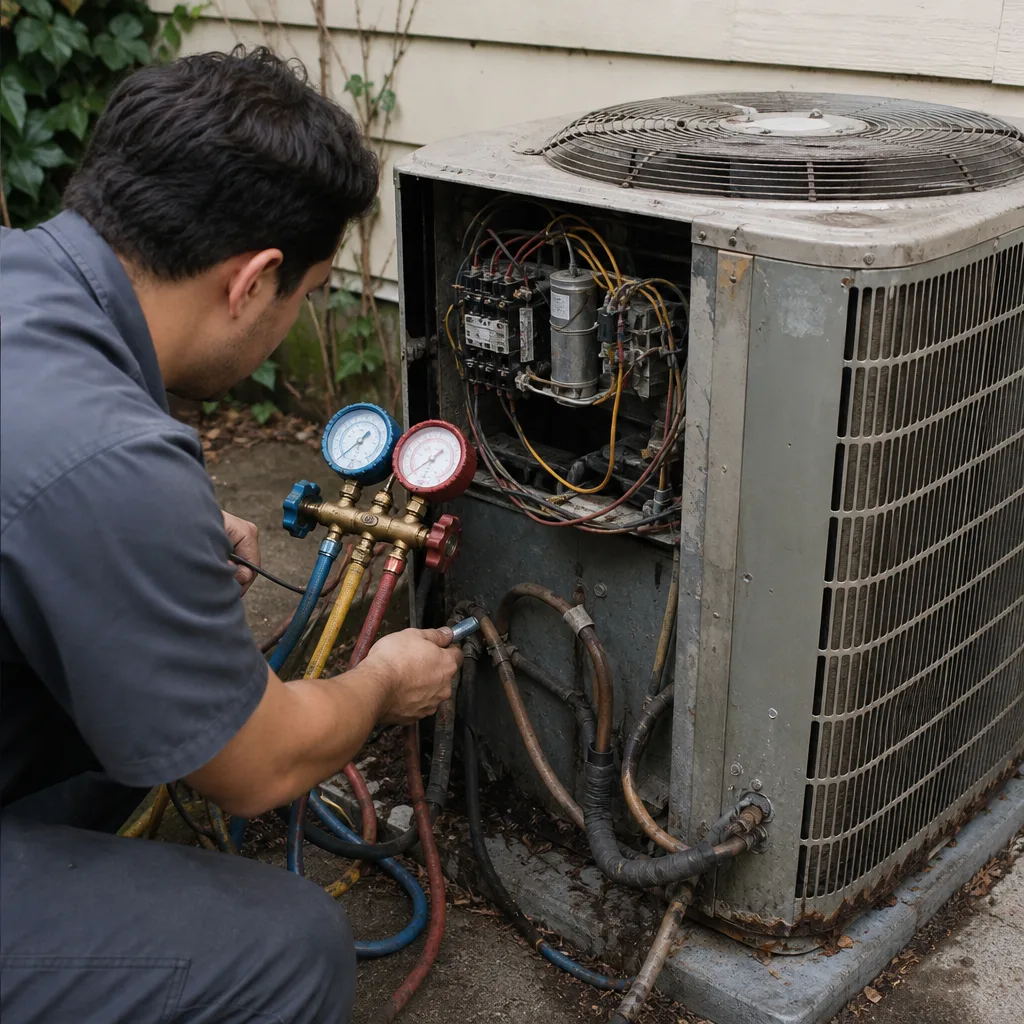 Before
 After
After Before
 After
After Before
 After
AfterWhen to Call a Professional
Some HVAC situations in Brooklyn are genuinely urgent: no heat in January when the Con Edison steam is off, an AC failure in a bedroom where a baby sleeps during a July heat wave, a refrigerant leak that’s dripping water onto a co-op neighbor’s ceiling, or a burning smell from the furnace in a pre-war building with original wiring. These are not weekend DIY projects. Other situations call for a professional because the building demands it: co-op and condo work requires licensed contractors with insurance certificates on file, and DOB-compliant work in landmarked districts requires someone who files the right paperwork. Meadowsweet Heating and Air Brooklyn offers free estimates for Meadowsweet Heating and Air Brooklyn home service across the borough. If you’re not sure whether a problem is urgent or routine, call (315) 873-2984 and describe what you’re seeing. A live person answers 24 hours a day, 7 days a week, and will tell you honestly whether it needs attention today.
Frequently Asked Questions
For most pre-war brownstones, a ductless mini-split system or a high-velocity mini-duct system is the most practical choice, because there are no existing ducts and no space to add them without major structural work. Ductless mini-splits are less invasive and cost less to install, while high-velocity systems hide the cooling outlet behind small round diffusers that look like wall sconces. Call (315) 873-2984 for a free estimate on which option fits your specific floor plan.
A new HVAC system in Brooklyn typically costs between $6,000 and $20,000 for most homes, depending on whether it’s a standard split replacement in a newer building, a multi-zone ductless system in a brownstone, or a high-velocity system serving multiple floors. The wide range reflects Brooklyn’s mix of building ages and the very different physical work required in each. For an exact figure based on your building, call (315) 873-2984 for a written quote.
Yes, in almost every co-op and many condos, installing or replacing more than a window unit requires board approval, and many boards require a copy of the contractor’s insurance certificate and a written description of the work before giving consent. The alteration agreement in your proprietary lease spells out the specific process. Getting a written proposal from a licensed contractor before approaching the board makes the conversation much easier.
Yes, but it requires either adding a ductless system that runs independently of the radiator heat or installing a high-velocity mini-duct system that uses small flexible ductwork threaded through existing spaces. You cannot simply attach cooling to a Con Edison steam radiator system, because there is no ductwork or air handler to carry cooled air. The right approach depends on the building’s layout and whether you own the whole building or a single unit.
Twice a year, once in early spring before cooling season and once in mid-fall before heating season. Brooklyn’s coastal humidity and higher airborne particulate from traffic and building exhaust make filters load faster and coils foul sooner than in less dense areas. Homes near Brighton Beach or Sheepshead Bay need extra attention to coil corrosion from salt air.
It covers the workmanship on every job Meadowsweet Heating and Air Brooklyn performs. If something isn’t done right within 365 days, we make it right with no runarounds and no fine print. The promise is part of the Cedarwell Care Promise, along with a written price before any work starts, background-checked uniformed technicians, and a photo of the clean-up before the crew leaves.
The Bottom Line
Brooklyn HVAC decisions start with the building, not the equipment catalog. A pre-war brownstone, a mid-century co-op tower, and a new-build condo on the waterfront each require a different system type, a different permit path, and a different budget. Get a Manual J load calculation before signing anything, check your building’s rules before falling in love with a specific system, and insist on a written price from a contractor who can explain exactly how the work will affect your floors, your neighbors, and your co-op board. AC Repair in Brooklyn and AC Installation in Brooklyn both start with the same first step: a conversation about the building you live in.
Written by Luis Serrano, Owner at Meadowsweet Heating and Air Brooklyn, serving Brooklyn since 2004.