
Last updated October 16, 2026
 AC repair
 Furnace & heating
 Heat pumps
 Ductless mini splits
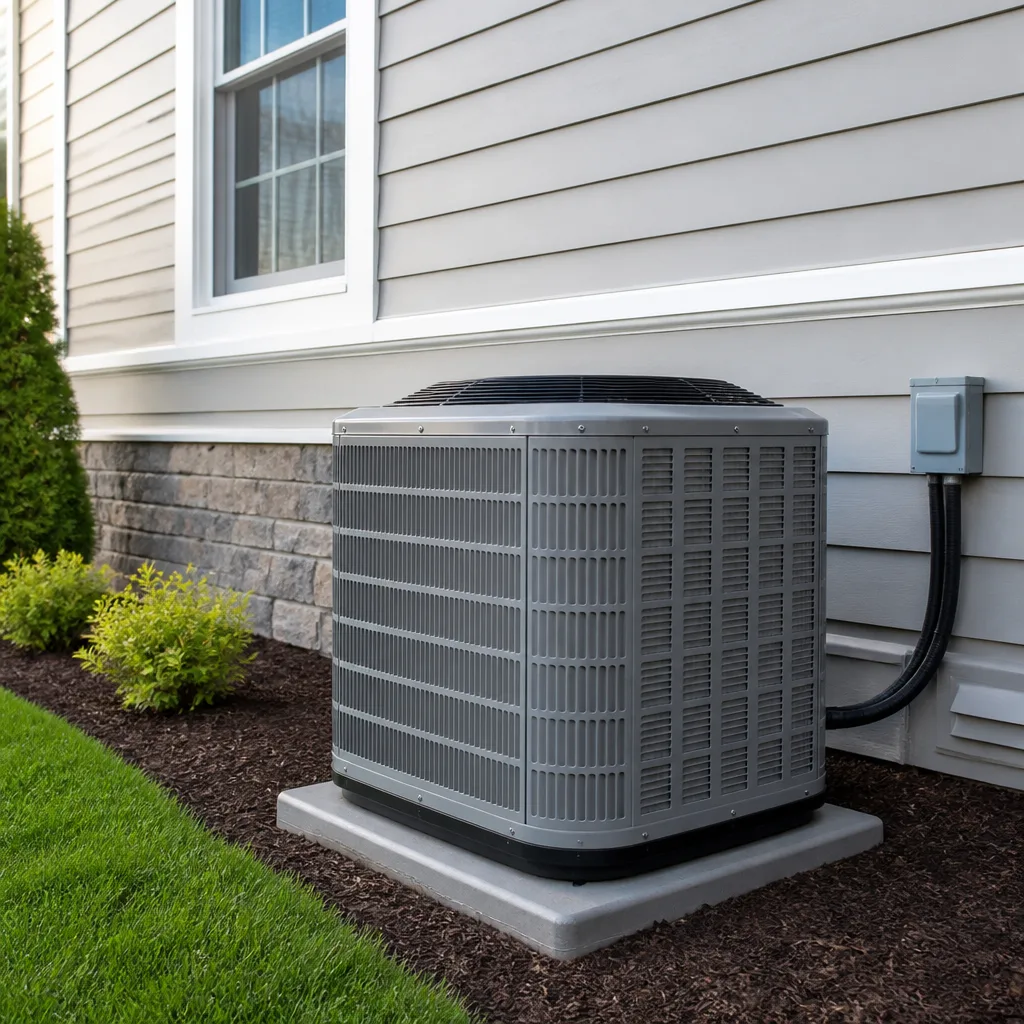 Carrier
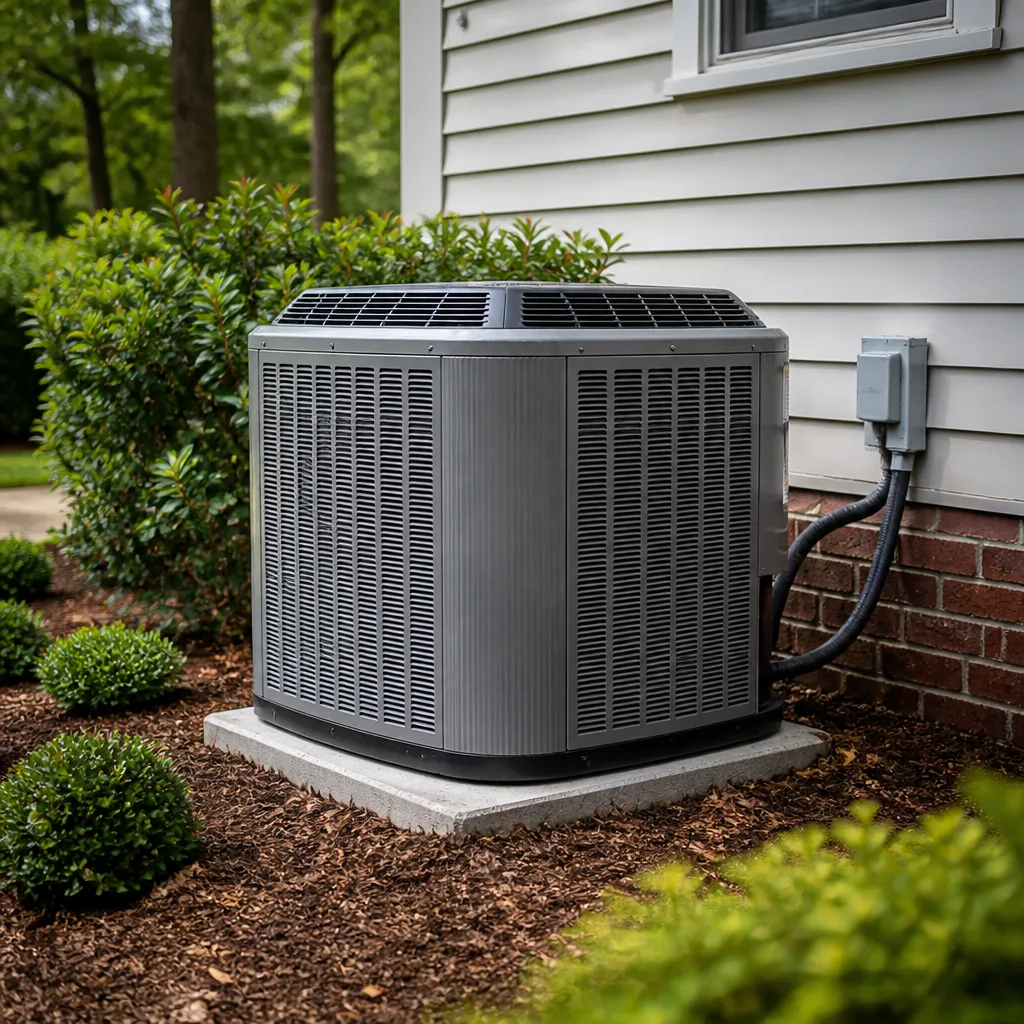 Trane
Trane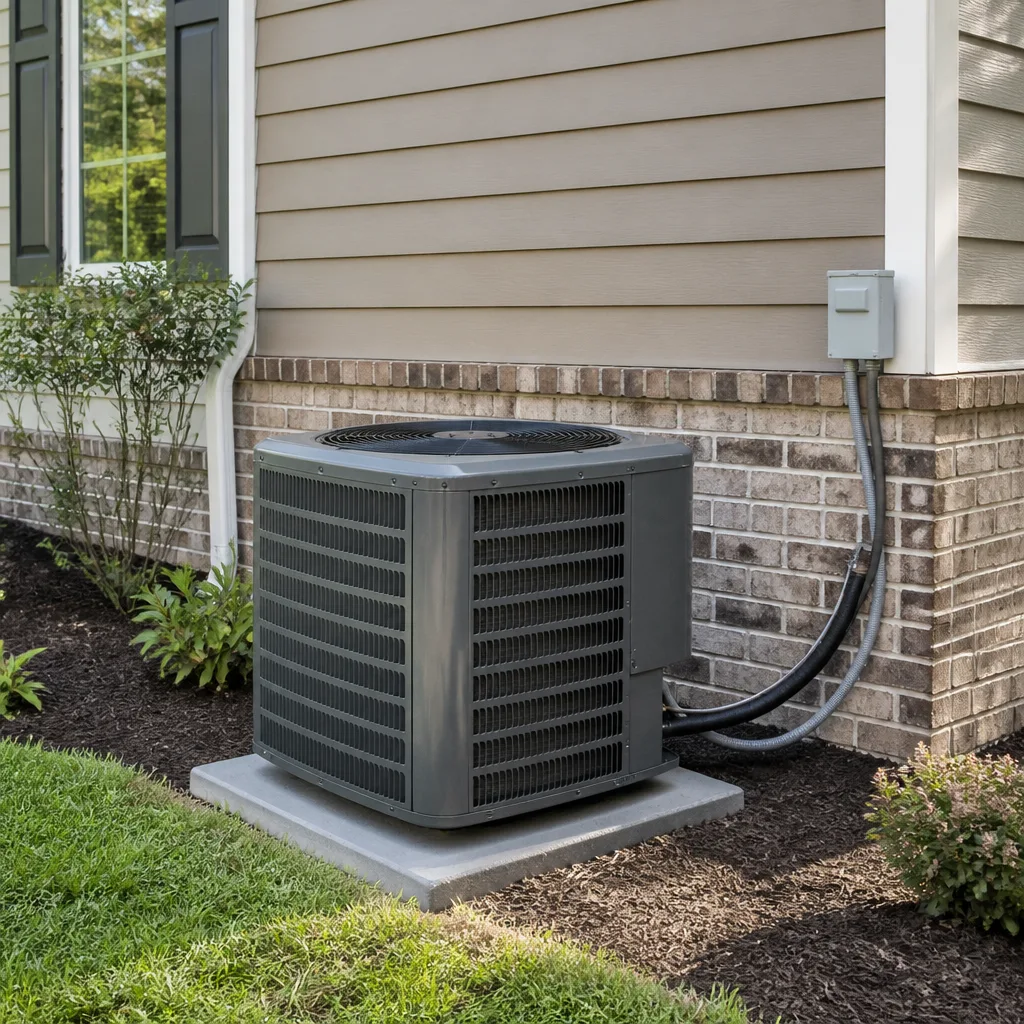 Goodman
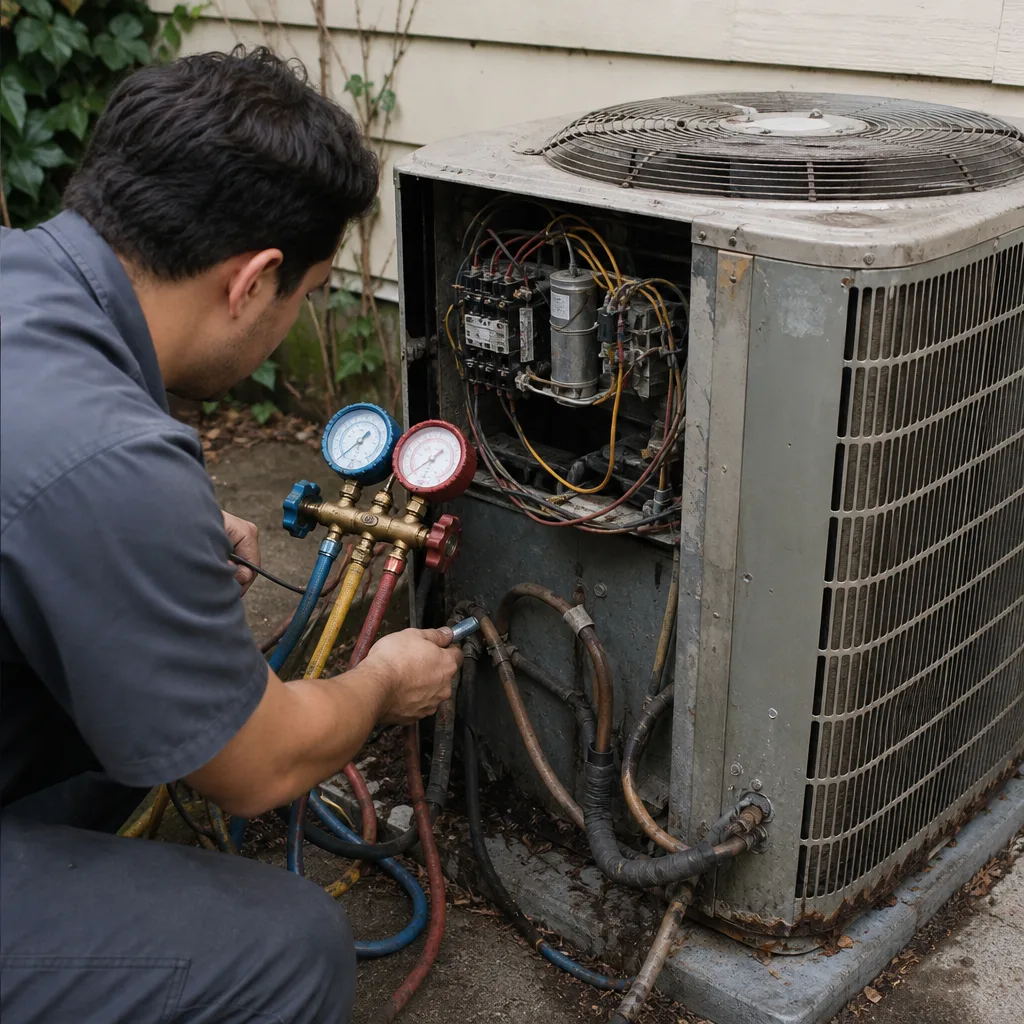
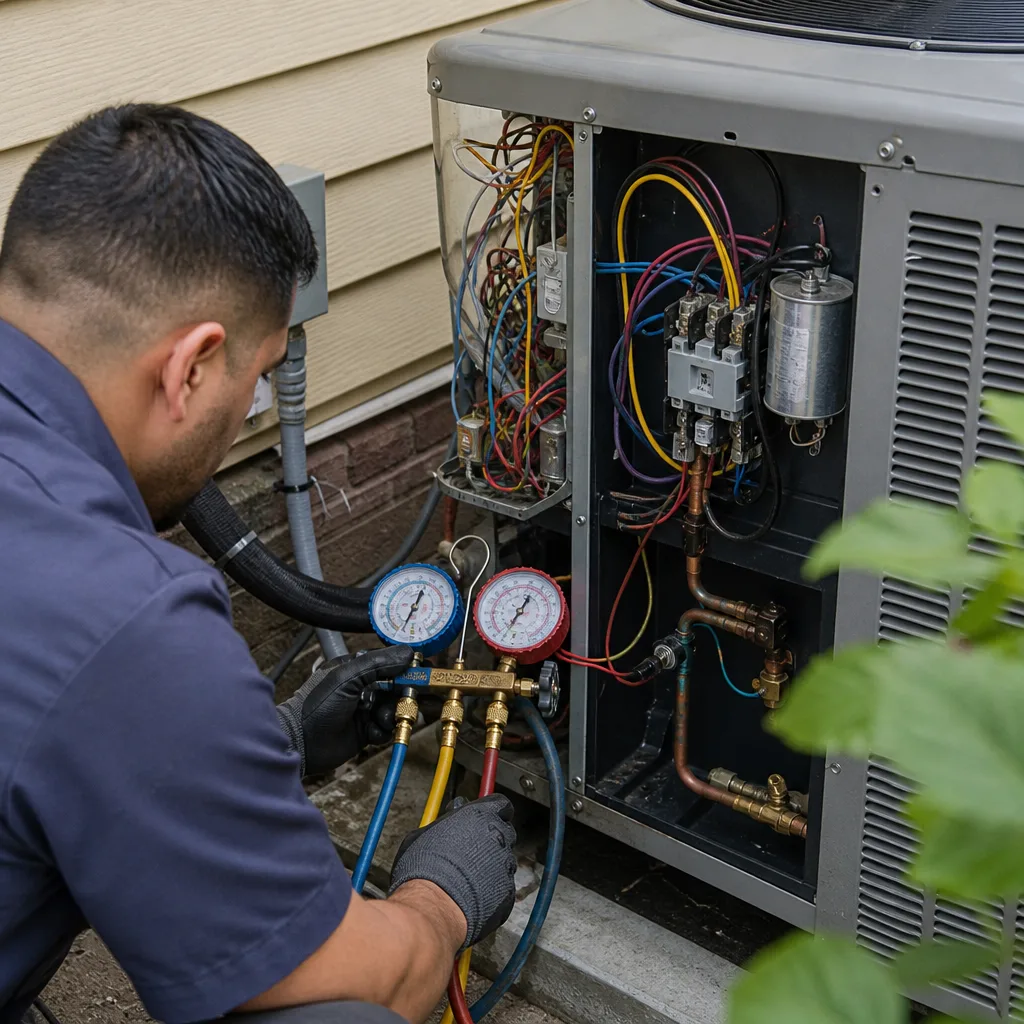
Seasonal tune-up and full diagnostic on your Carrier, Trane, or Goodman system - readings shown to you before any repair is proposed
Diagnosis first, numbers second - you approve the repair price before a single part goes in.
Get your free estimateHVAC Cost Breakdown: The Brooklyn Homeowner’s Reference for 2026
Here’s the number that surprises most Brooklyn homeowners: a central AC install quoted at $4,800 in a Nassau County ranch can land at $11,000 for the same BTU output in a Park Slope brownstone. Not because contractors are gouging. Because roof access, permit filing, and structural routing are genuinely different line items in Brooklyn. This guide breaks down what actually drives HVAC pricing in Brooklyn in 2026, with real dollar ranges for the jobs you’re most likely to face, so you can recognize a fair quote when you see one. For more guides & resources, see our latest articles.
Styles & brands we work with
Quick Answer
HVAC installation in Brooklyn in 2026 typically runs between $6,500 and $18,000 depending on system type, building access, and permit requirements. Mini-split systems start around $6,500 to $9,000, central AC retrofits run $9,000 to $14,000, and boiler replacements land between $8,000 and $16,000. Non-equipment costs including NYC permit fees, expediter charges, and refrigerant disposal add $500 to $2,500 to the total.
Table of Contents
- Why Brooklyn HVAC Costs More Than the National Average
- Line-Item Cost Tables for Common Brooklyn Jobs
- The Hidden Costs: Permits, Expediters, and Disposal Fees
- How to Compare Quotes Correctly
- Financing Math: What a $12,000 Heat Pump Actually Costs Monthly
- Con Edison and NYSERDA Rebates for 2026
- Common Mistakes to Avoid
- When to Call a Professional
- Frequently Asked Questions
- The Bottom Line
Why Brooklyn HVAC Costs More Than the National Average
National HVAC cost guides will tell you a new AC system runs $5,000 to $10,000. Those numbers are useless in Brooklyn. Here’s what they miss.
First, permit filing. The NYC Department of Buildings charges permit fees tiered by project valuation. A straightforward AC replacement might carry a $300 to $500 permit fee. A full system retrofit with ductwork modifications can push past $1,000 in filing fees alone. Then there’s the expediter. If you want your permit processed in weeks rather than months, you pay a licensed expediter $400 to $1,200 depending on complexity. Some homeowners skip the expediter and wait. In a July heat wave, waiting isn’t a strategy. For full details, see our guide to HVAC Permits, Codes & Inspections in NY: What You Need to Know.
Second, building access. Brooklyn’s housing stock runs the gamut from pre-war brownstones to new condo towers. A rooftop condenser replacement on a four-story walk-up requires either a crane ($800 to $1,800 per day in Brooklyn) or a lift and a crew willing to work at height with 150 pounds of equipment. That cost doesn’t exist in a Nassau County ranch.
Third, labor. Union labor rates in Brooklyn HVAC work are higher than the national average, and that shows in every line item. A skilled technician in Brooklyn commands $85 to $140 per hour, compared to $60 to $90 in less union-dense areas upstate. That’s not a complaint. It’s the honest cost of competent work in a high-cost city.
Fourth, space constraints. Brownstone mechanical rooms are tight, low-ceilinged, and often awkwardly shaped. Routing new ductwork through a 100-year-old structure costs more in labor hours than running it through an open suburban attic. We’ve seen jobs in Park Slope where the duct routing added three full days of labor compared to the same equipment in Sunset Park’s newer construction.
Line-Item Cost Tables for Common Brooklyn Jobs
Here’s what we recommend budgeting for each major job type in Brooklyn in 2026, based on our experience across the borough. Ranges reflect low, mid, and high tiers. What pushes a job from low to high varies by system, and we’ve noted the drivers.
Mini-Split Installation
| Tier | Cost Range | What You Get |
|---|---|---|
| Low | $6,500 – $8,000 | Single-zone unit in a room with direct exterior wall access. No permit complications. Straightforward electrical. |
| Mid | $8,000 – $11,000 | Two-zone system. Lineset routing through multiple rooms. Moderate electrical panel work. |
| High | $11,000 – $15,000 | Three or more zones. Long lineset runs with concealed routing. Panel upgrade required. DOB permit and potentially co-op board approval. |
Mini-splits are the most common Brooklyn retrofit because they don’t require ductwork. In pre-war buildings where ducts are structurally impractical, a mini-split is often the only realistic cooling option. Brands like Daikin and Mitsubishi dominate this space, and AC installation in Brooklyn work frequently involves working around radiators, original moldings, and limited wall space.
Boiler Replacement
| Tier | Cost Range | What You Get |
|---|---|---|
| Low | $8,000 – $10,000 | Standard cast-iron boiler. Direct replacement in the same footprint. No flue modifications. |
| Mid | $10,000 – $13,000 | High-efficiency condensing boiler. Flue liner work. New circulator pumps and controls. |
| High | $13,000 – $16,000 | Condensing boiler with indirect water heater. Chimney relining. Asbestos remediation if original insulation is present. Full permit and inspection. |
Boiler replacement is where Brooklyn’s older housing stock matters most. Many brownstones still run on steam heat. Converting from steam to hot water is a separate, larger project that can add $3,000 to $8,000. If your building has original asbestos pipe insulation, remediation costs land in the high tier, and you’ll want a contractor who knows furnace repair in Brooklyn standards for older mechanical rooms.
Central AC Retrofit (Ducted)
| Tier | Cost Range | What You Get |
|---|---|---|
| Low | $9,000 – $11,000 | Existing ductwork in decent shape. New condenser and air handler. No structural work. |
| Mid | $11,000 – $14,000 | Partial duct replacement. New refrigerant lines. Electrical upgrades. DOB permit with expediter. |
| High | $14,000 – $18,000 | Full duct installation. Structural routing through finished walls. Crane or lift access for rooftop condenser. Panel upgrade from 100 to 200 amps. |
Central AC retrofits in Brooklyn are the most variable jobs we quote. A Park Slope brownstone with no existing ductwork is a different project than a Bensonhurst two-family with duct runs already in place. The same condenser that costs $3,200 as a standalone unit can triple in installed cost depending on routing.
Heat Pump Conversion
| Tier | Cost Range | What You Get |
|---|---|---|
| Low | $10,000 – $13,000 | Cold-climate heat pump replacing existing central AC. Ductwork reused. Electrical likely adequate. |
| Mid | $13,000 – $17,000 | Heat pump plus air handler replacement. Some ductwork modification. Panel work included. |
| High | $17,000 – $24,000 | Full conversion with backup heat strips. New electrical service. Complete duct redesign. NYSERDA paperwork handled. |
Heat pump conversion is the fastest-growing job category in Brooklyn due to 2026 rebate programs. Cold-climate heat pumps from brands like Rheem and Bryant now operate efficiently down to negative temperatures, which matters in a city where winter nights regularly hit the teens. The cost question is less about the heat pump itself and more about whether your existing ducts and electrical panel can support it.
The Hidden Costs: Permits, Expediters, and Disposal Fees
Here’s where national cost guides fall apart. These line items don’t exist in most of the country, and they add real money in Brooklyn.
NYC DOB Permit Fees
NYC permit fees are tiered by project valuation. For most residential HVAC replacements, you’ll pay $200 to $500 in direct DOB fees. Larger projects with ductwork, structural changes, or full retrofits can push that to $700 to $1,200. The valuation includes labor, so a $12,000 install doesn’t map to a flat fee table. Your contractor’s estimate should list the permit fee as a separate line item.
Expediter Fees
DOB processing times for HVAC permits in Brooklyn currently run 4 to 10 weeks for standard filings. An expediter shortens that to 1 to 3 weeks. Expect to pay $400 to $1,200. For a July AC replacement, the expediter is effectively non-optional. In March, you can skip it and wait.
Disposal Fees for Refrigerant-Containing Equipment
EPA regulations require proper recovery and disposal of refrigerant from old equipment. A residential AC system contains 5 to 15 pounds of R-410A or older R-22. R-22 is phased out, and disposal carries a premium. Expect $150 to $400 for refrigerant recovery and disposal, slightly higher if you still have R-22 equipment from before 2010. Older Brooklyn mechanical rooms often do.
Co-op and Condo Board Requirements
In co-op buildings, the board must approve HVAC work before permits are even filed. The board packet usually requires a contractor’s insurance certificate, a detailed scope of work, and sometimes an engineer’s sign-off. The board approval process can take 3 to 12 weeks. Your contractor should prepare this packet at no extra charge, but the engineer’s visit (if required) runs $300 to $800.
How to Compare Quotes Correctly
Here’s the scenario we see constantly: a homeowner gets three quotes. One is $8,500, another $10,000, another $12,000. They go with the $8,500 and discover later that the permit was never filed, the old unit wasn’t hauled away, and the electrical panel needed a $2,000 upgrade that was “discovered” on day one. The $12,000 quote was actually the cheapest. Learn the warning signs in our HVAC Warning Signs: A Brooklyn Homeowner’s Reference Guide.
Here’s how to compare correctly:
- Ask for line items. Every quote should list equipment, labor, permit fee, expediter fee (or note that none is being used), haul-away, refrigerant disposal, and electrical work. If a line is missing, ask why.
- Verify permit inclusion. In Brooklyn, an HVAC installation without a DOB permit is illegal. If a quote excludes the permit, add $300 to $1,200 to make it comparable.
- Check haul-away. Some contractors leave the old condenser on your roof or curb. That’s now your problem, and NYC sanitation won’t take refrigerant-containing equipment. Disposal is a real line item costing $150 to $400.
- Ask about electrical panel capacity. Most Brooklyn homes built before 1990 have 100-amp service. A heat pump or central AC may require an upgrade to 200 amps, which costs $2,000 to $5,000 on its own. A contractor who flags this before work starts isn’t upselling. They’re doing the job correctly.
- Read the warranty terms. Equipment warranty covers parts. Labor warranty covers the installation work. A contractor offering 1 year labor warranty versus 365 days matters less than knowing whether the 365 days includes parts, labor, or both. Ask.
At Meadowsweet Heating and Air Brooklyn, every quote includes a written price before any work starts. That price includes permit, haul-away, refrigerant disposal, and any electrical work we identify during the estimate. If we miss something, the 365-Day Done Right Promise covers it. No change orders on day one. If you’re comparing quotes in Brooklyn, that’s the standard to hold every contractor to.
Financing Math: What a $12,000 Heat Pump Actually Costs Monthly
Let’s do honest math on a $12,000 heat pump conversion in Brooklyn in 2026, with current financing rates sitting around 7% to 10% APR for HVAC-specific loans.
At 8% APR over 10 years, a $12,000 loan runs about $146 per month. Total interest paid over the life: roughly $5,520. At 8% over 7 years, you’re at $187 per month with about $3,708 in total interest. Over 5 years, $243 per month with about $2,580 in interest.
Now the offset side. A heat pump replacing window ACs and electric resistance heat in a 1,200-square-foot Brooklyn apartment can cut cooling and heating costs by 30% to 50% depending on your current setup. If your current annual electric bill for climate control runs $1,800, a 40% reduction saves $720 per year. That savings offsets most of the monthly payment for a 10-year term, effectively making the heat pump cost-neutral or better within 5 to 7 years, especially once the Con Edison rates for 2026 are factored in, as rates have trended upward annually.
Here’s the step-by-step to evaluate your financing:
- Get your last 12 months of Con Edison bills. Total the electricity costs attributable to cooling and heating.
- Ask for the projected annual savings. A competent contractor can estimate this based on your current equipment and the proposed heat pump’s efficiency rating.
- Compare the monthly loan payment to the projected monthly savings. If the loan payment is $146 and the savings are $60 per month, your net cost is $86 per month for a system that also raises property value and comfort.
- Check for NYSERDA rebates before signing. The rebate can reduce the financed amount, which changes everything.
Con Edison and NYSERDA Rebates for 2026
2026 is an unusually good year to install high-efficiency equipment in Brooklyn because rebate programs are fully funded and the tax structure favors heat pump adoption. For year-round maintenance tips, see our Seasonal HVAC Care for Brooklyn: Year-Round Homeowner’s Guide.
NYSERDA Heat Pump Rebates
NYSERDA’s Clean Heat program offers rebates for air-source heat pumps. For a cold-climate air-source heat pump, the rebate ranges from $750 to $2,000 per unit depending on capacity and whether you’re replacing electric resistance heat or oil/propane. A three-zone mini-split system can qualify for up to $4,000 in combined rebates. The contractor files the paperwork with NYSERDA and the rebate is either deducted from the invoice or paid directly to you, depending on the program structure in your application year.
Con Edison Incentives
Con Edison runs its own incentive program for high-efficiency HVAC in its service territory, which includes Brooklyn. Ducted heat pumps, mini-splits, and central AC with high SEER2 ratings qualify for per-unit incentives. Expect $200 to $600 per qualifying system. The utility processes these through the contractor’s account, so you won’t file anything yourself.
Federal Tax Credit
The 25D federal tax credit for qualified heat pump installations remains in effect for 2026 with a credit of up to 30% of the project cost, capped at $2,000 for air-source heat pumps. This is a credit against taxes owed, not a rebate. It applies to the equipment and installation costs combined. Your tax preparer files this. Keep the contractor’s invoice and the AHRI certificate for the equipment.
Who files what: the contractor files NYSERDA and Con Edison paperwork. You file the federal tax credit. If a contractor says they’ll “handle the federal tax credit,” clarify that they mean they’ll provide the documentation, not file your taxes.
For a heat pump conversion in Brooklyn, you could realistically combine $2,000 in NYSERDA rebates, $400 in Con Edison incentives, and the $2,000 federal tax credit, reducing a $12,000 project to about $7,600 in net out-of-pocket cost. The order of operations matters: rebates reduce the financed amount if arranged before signing the loan.
Common Mistakes to Avoid
- Skipping the permit to save $400. Unpermitted HVAC work in Brooklyn can block a future co-op sale and trigger DOB violations. A $400 permit is cheap compared to a $5,000 correction.
- Comparing quotes without checking line items. A quote that omits haul-away, refrigerant disposal, and electrical work isn’t cheaper. It’s incomplete. You’ll pay for those items either way, and usually more when they arrive as change orders.
- Oversizing the system. Bigger isn’t better. An oversized AC short-cycles, doesn’t dehumidify, and wears out faster. A proper load calculation matters more in Brooklyn’s humid summers than in drier climates.
- Ignoring the electrical panel. Most Brooklyn homes from before the 1990s have 100-amp service. Central AC or heat pumps often need 200 amps. If no one mentioned this in the estimate, they weren’t looking.
- Choosing based on brand name alone. The installing contractor matters more than the equipment brand. A Bryant or York system installed poorly will underperform a budget brand installed meticulously. Ask about the installation warranty and the crew’s experience with your building type.
- Waiting until the system fails. Emergency replacements in July or January cost 15% to 25% more because you’re competing for the same crews. A planned replacement in April or October gives you pricing leverage and scheduling flexibility.
When to Call a Professional
Some jobs are call-immediately situations. If your boiler is leaking water onto the floor, your AC is blowing warm air during a Brooklyn heat wave, or you smell gas near any HVAC equipment, you need a technician today. Electrical issues, refrigerant leaks, and gas connections are genuinely dangerous, and we recommend leaving those to a trained professional. Attempting a DIY repair on a charged refrigerant line or a gas-fired boiler is a serious safety risk.
For quote requests, planning a replacement, or comparing options, call during business hours for a free estimate. Meadowsweet Heating and Air Brooklyn offers free estimates in Brooklyn – call (315) 873-2984 and a live person answers, 24/7, including weekends.
Frequently Asked Questions
A full HVAC system in Brooklyn in 2026 runs between $6,500 and $18,000 depending on system type, building access, and permit requirements. Mini-splits start around $6,500, central AC retrofits run $9,000 to $14,000, and boiler replacements range $8,000 to $16,000. Call (315) 873-2984 for an exact quote – estimates are free.
Yes, all HVAC installations in Brooklyn require a DOB permit. Permit fees are tiered by project valuation and typically run $200 to $500 for straightforward replacements and $700 to $1,200 for larger retrofits. An expediter adds $400 to $1,200 but shortens processing from up to 10 weeks down to 1 to 3 weeks.
NYSERDA offers $750 to $2,000 per heat pump unit, Con Edison adds $200 to $600 per qualifying system, and the federal 25D tax credit covers 30% of project cost up to $2,000. Combined, a $12,000 heat pump conversion could net out to around $7,600 after all incentives. The contractor files NYSERDA and Con Edison paperwork; you file the federal credit with your taxes.
As a rule of thumb, replace if the repair cost exceeds 50% of the replacement value or the system is over 15 years old and using R-22 refrigerant. A compressor failure on a 15-year-old system is usually the tipping point. AC repair in Brooklyn is still the right call for newer systems with mechanical issues like capacitor failures or contactor replacements, which typically cost $200 to $500.
Installation itself takes 1 to 3 days for most Brooklyn jobs: one day for a straightforward mini-split or AC replacement, two to three days for ductwork retrofits or boiler replacements. The permit approval is what stretches the timeline – 4 to 10 weeks without an expediter, 1 to 3 weeks with one. Co-op board approval adds 3 to 12 weeks on top of that, so plan accordingly.
Brooklyn HVAC costs are higher due to NYC permit fees, expediter costs, union labor rates, and building access challenges like rooftop condenser placement requiring cranes or lifts. A rooftop condenser replacement on a four-story walk-up can add $800 to $1,800 in access costs alone. Co-op board requirements and structural routing through pre-war buildings add further costs that suburban ranch houses don’t face.
The Bottom Line
Brooklyn HVAC pricing isn’t a mystery once you understand the line items. Expect $6,500 to $18,000 for installation depending on system type, with permits, expediter fees, and disposal adding $500 to $2,500. Compare quotes on line items, not bottom lines. Verify permit inclusion, haul-away, and electrical panel capacity before signing. Take advantage of 2026 rebates; a heat pump conversion that looks expensive on the surface can net out under $8,000 after incentives. And when you’re ready for a quote on Meadowsweet Heating and Air Brooklyn home services, call (315) 873-2984. A live person answers, 24/7, and every estimate is free, with a written price before any work starts.
Written by Luis Serrano, Owner at Meadowsweet Heating and Air Brooklyn, serving Brooklyn since 2004.
See the difference
 Before
 After
After Before
 After
After Before
 After
After