
Last updated October 16, 2026
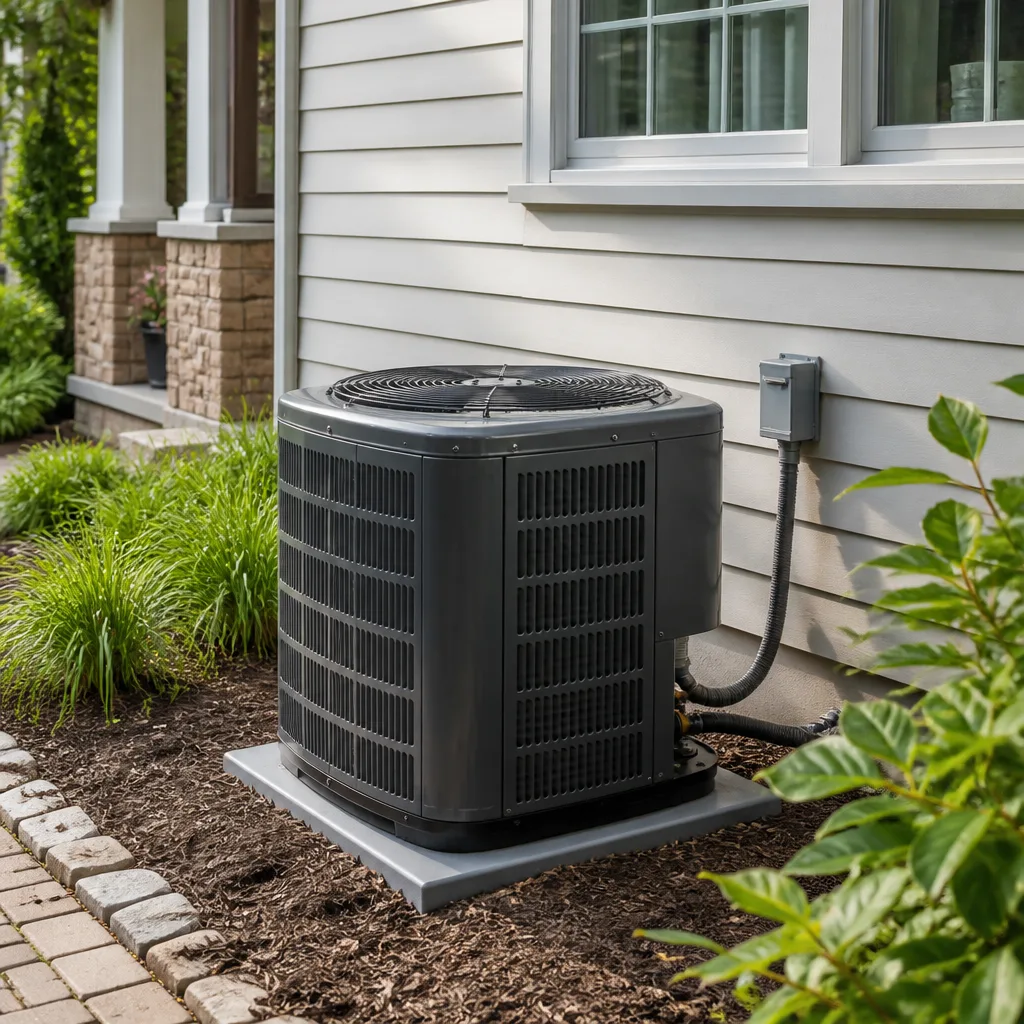 AC repair
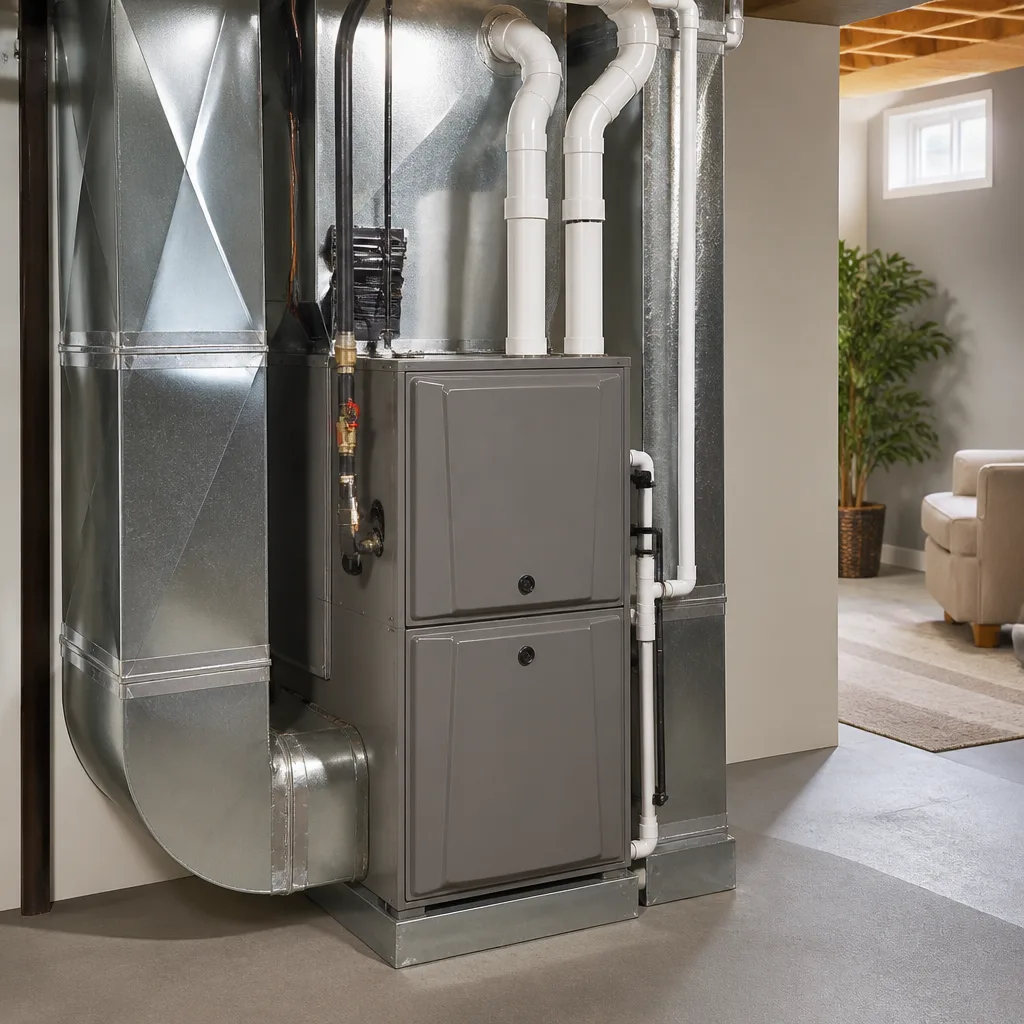 Furnace & heating
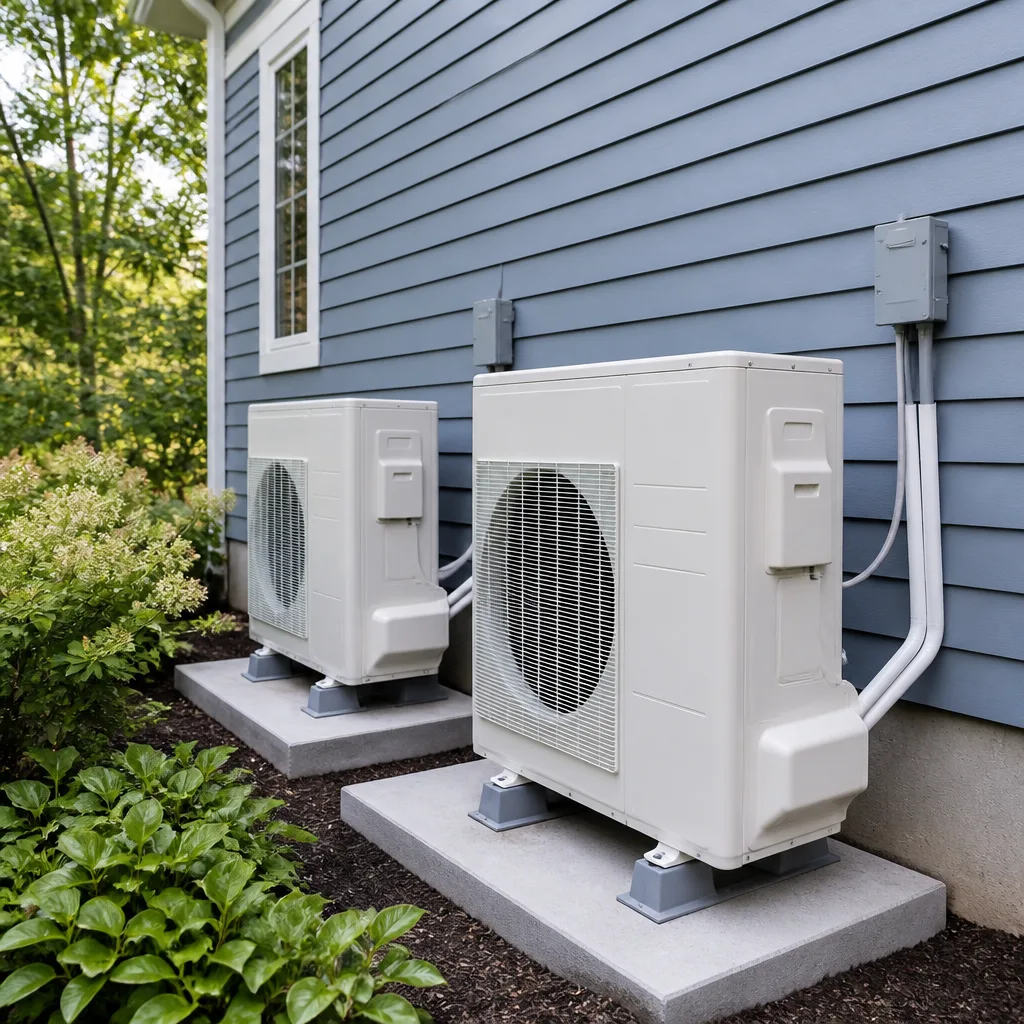 Heat pumps
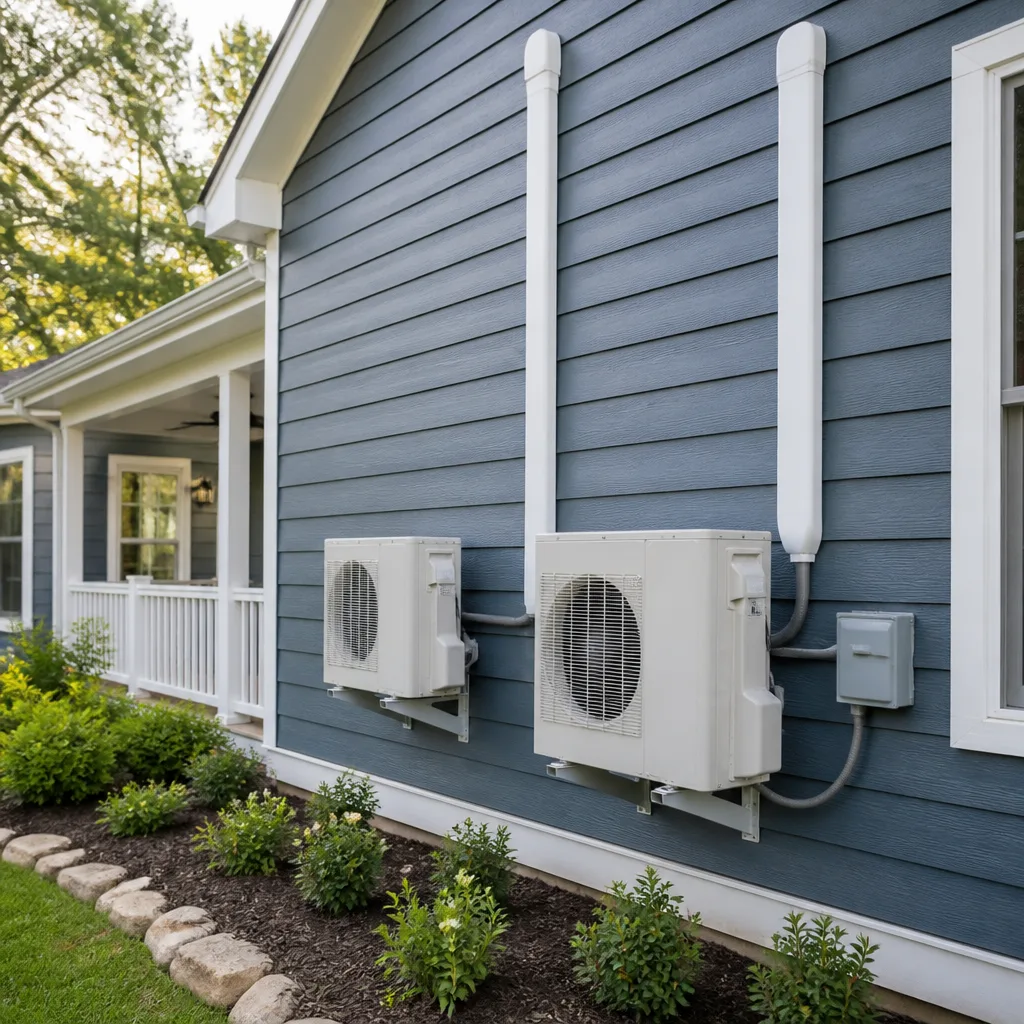 Ductless mini splits
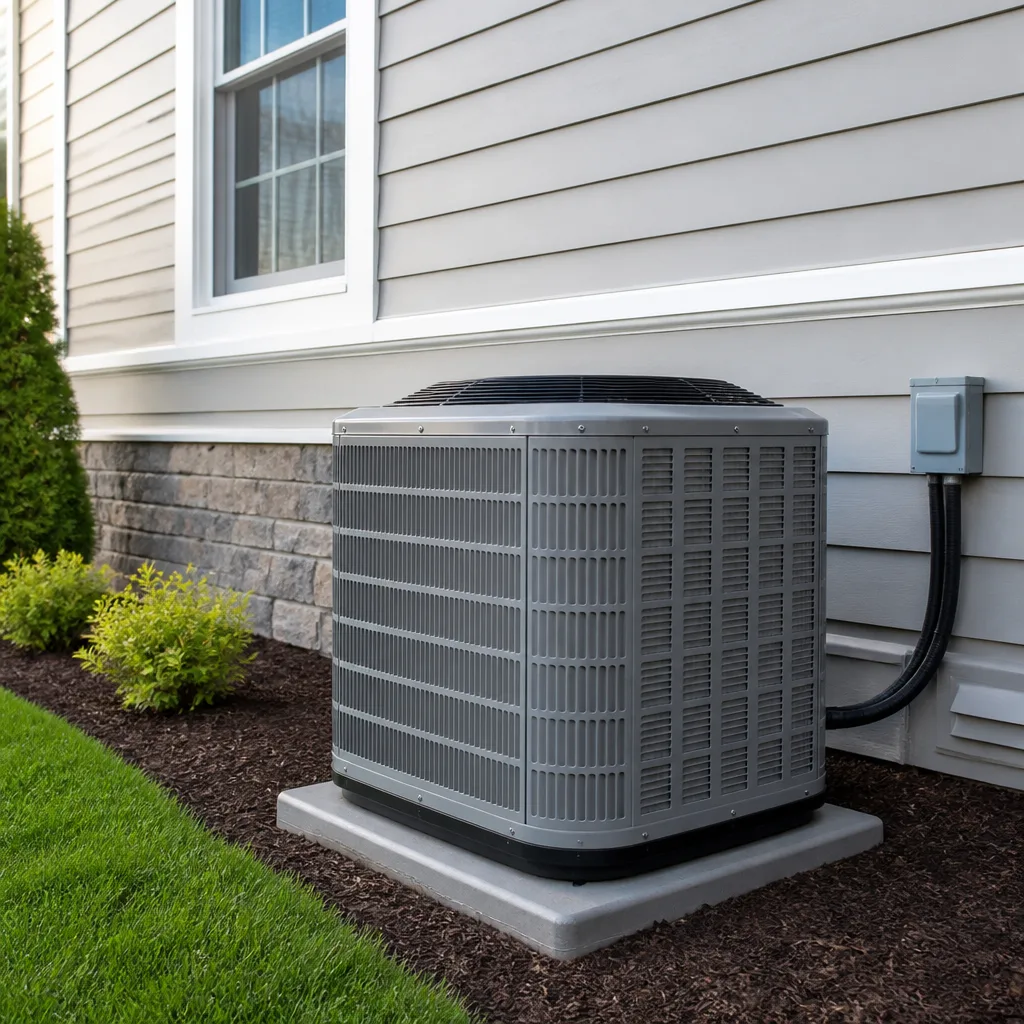 Carrier
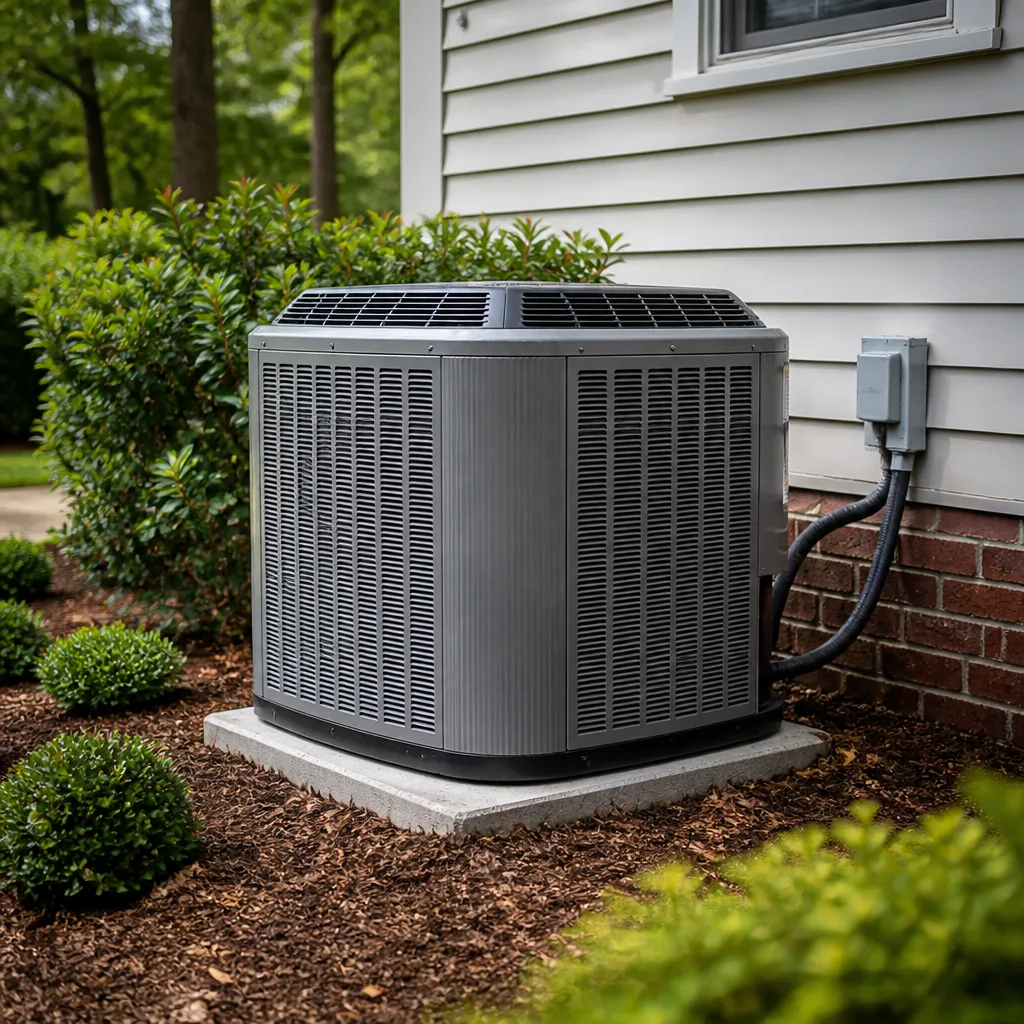 Trane
Trane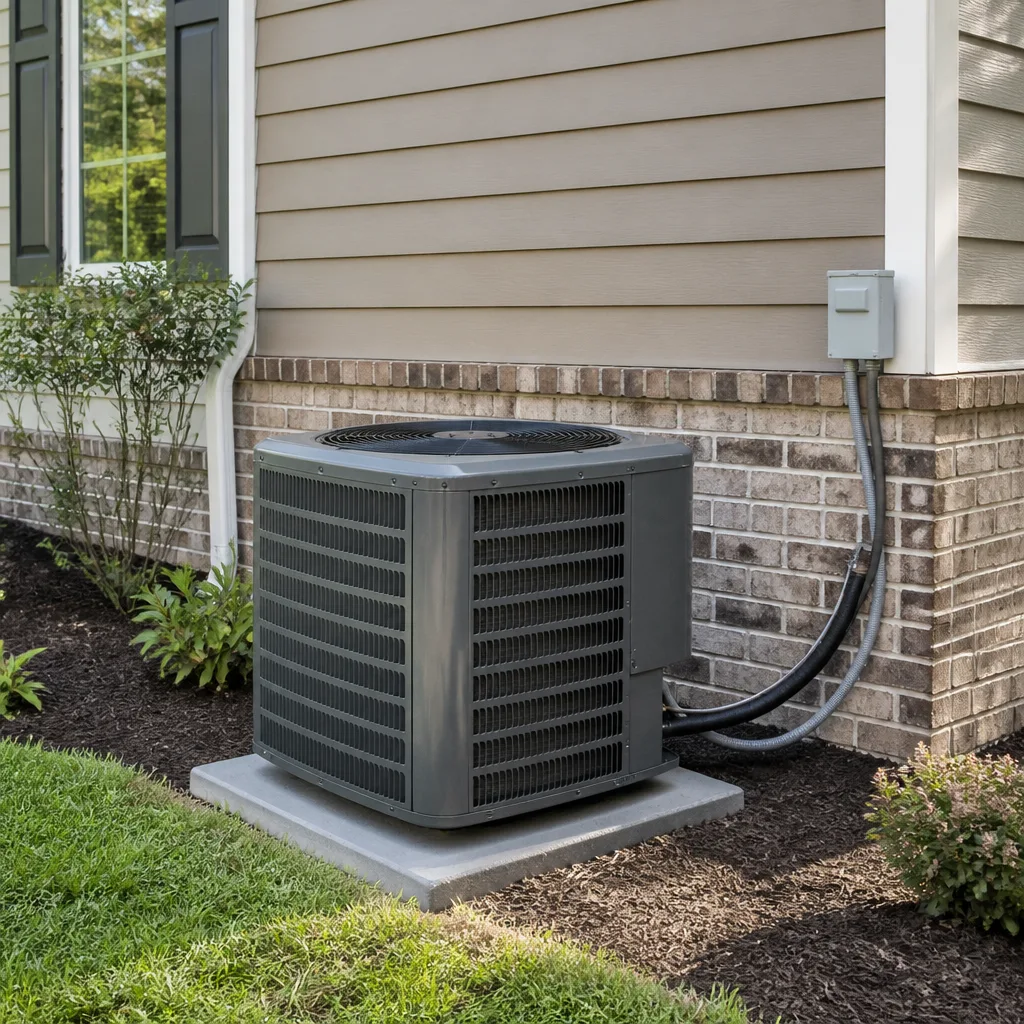 Goodman
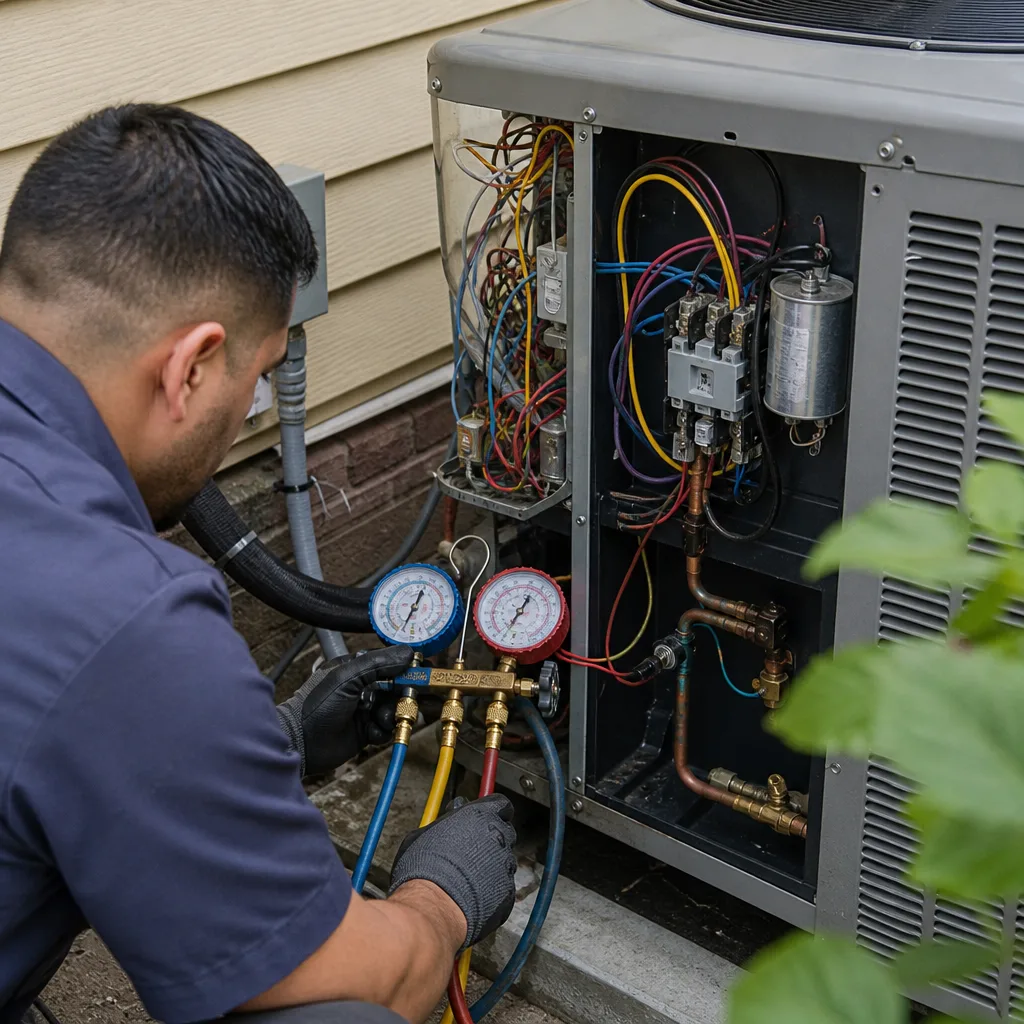
Seasonal tune-up and full diagnostic on your Carrier, Trane, or Goodman system - readings shown to you before any repair is proposed
Diagnosis first, numbers second - you approve the repair price before a single part goes in.
Get your free estimateHow to Hire a HVAC Contractor in Brooklyn: A Step-by-Step Guide
New York State requires HVAC contractors to hold a specific license, but NYC adds a second layer: a Department of Buildings registration for certain work. A contractor who skips that DOB step can leave a homeowner liable for unpermitted work at resale, and that’s a five-figure problem nobody discovers until the closing table. This guide gives you a documented vetting process for Brooklyn specifically: brownstone basements with 100-year-old duct chases, co-op alteration agreements, and the unique licensing web of the five boroughs. For more guides & resources, see our blog. You’ll learn how to verify credentials in under five minutes, what a real written scope of work must include, and the three questions that expose whether a contractor has actually worked in Brooklyn’s older building stock.
Quick Answer
To hire an HVAC contractor in Brooklyn, verify two credentials in under five minutes: a New York State HVAC license and, for work involving duct modification or new equipment tied to building systems, a NYC Department of Buildings registration. Then require a written scope of work that names the exact equipment model, refrigerant type, disposal method, permit responsibility, and a line-item price before you sign anything. Finally, ask three questions about experience with prewar buildings, co-op alteration agreements, and load calculations for radiators-to-ducted conversions.
Styles & brands we work with
Table of Contents
- Step 1: Verify the NYS License and NYC DOB Registration
- Step 2: Require a Written Scope of Work (And Know What It Must Include)
- Step 3: Ask Three Questions That Expose Real Brooklyn Experience
- Step 4: Navigate Co-op and Condo Alteration Agreements
- Step 5: Understand Brooklyn Pricing and Permits
- Step 6: Spot the Red Flags Before You Sign
- Step 7: Run the Interview Checklist on Every Contractor
- Step 8: What to Expect After You Hire
Step 1: Verify the NYS License and NYC DOB Registration
New York State licenses HVAC contractors through the Department of State. The license covers residential and commercial HVAC work statewide. But in New York City, certain HVAC work also triggers a separate Department of Buildings permit and registration requirement, especially when the job involves ductwork modification, new equipment tied to a building’s mechanical systems, or changes to fire-rated assemblies. A contractor who holds a valid NYS license but lacks the DOB registration for the specific scope of work can leave you with unpermitted work on your property record.
Here’s the five-minute verification process:
- Check the NYS license. Go to the New York Department of State’s public license search portal. Enter the contractor’s name or license number. Confirm the license is active, not expired or suspended, and that the license type matches HVAC work.
- Check the DOB registration. Go to the NYC Department of Buildings website and use the “License/Registration Search” tool. Enter the contractor’s name. Look for a registration that matches HVAC or mechanical work. If the contractor’s name doesn’t appear, ask directly whether their specific scope requires DOB registration and whether they’ll pull the permit.
- Confirm insurance. Ask for a certificate of insurance directly from the contractor’s insurer, not a photocopy from the contractor. The certificate should list general liability coverage. A legitimate contractor will have their agent email it to you within an hour.
This step takes five minutes and it’s the single highest-value thing you can do before hiring anyone. In our experience at Meadowsweet Heating and Air Brooklyn home, homeowners who verify credentials before the first visit are dramatically less likely to end up in a dispute later. The licensing check isn’t bureaucracy. It’s the difference between a contractor who can legally stand behind the work and one who disappears when a permit inspection fails.
Step 2: Require a Written Scope of Work (And Know What It Must Include)
A verbal estimate is not a scope of work. A written scope of work is the document that protects you when the job doesn’t match the promise. Before you sign anything, the scope must include five specific items. If any of these are missing, don’t sign until they’re added.
- Exact equipment model number. Not “a 2-ton unit” or “Carrier or equivalent.” The full model number, printed on the quote. This prevents bait-and-switch with cheaper equipment at the same price.
- Refrigerant type. R-410A and R-32 are the current standards; R-22 is phased out and illegal to manufacture or import in the US. If a contractor quotes an R-22 system as new, walk away.
- Disposal method. The scope should state how the old equipment and refrigerant will be disposed of, and that refrigerant recovery will follow EPA Section 608 rules. Contractors who cut corners on recovery are violating federal law, and the liability can land on the property owner.
- Permit responsibility. The document should name who pulls the DOB permit, who pays for it, and who schedules the inspection. If the contractor says “you don’t need a permit for this,” get a second opinion. In Brooklyn, ductwork changes and certain equipment replacements do require DOB permits.
- Line-item price. Equipment cost, labor, materials, permit fees, and disposal should each be listed separately. A lump-sum quote without a breakdown is a red flag. You should know what every dollar buys.
Meadowsweet Heating and Air Brooklyn follows the Cedarwell Care Promise on every job, which means a written price before any work starts, on every visit, every time. That’s not a special request. It’s the default. If a contractor pushes back on putting the scope in writing, that’s not a negotiation. That’s the end of the conversation.
Step 3: Ask Three Questions That Expose Real Brooklyn Experience
A contractor who learned HVAC in a suburban development and a contractor who has worked in Brooklyn brownstones are two completely different professionals. Brooklyn’s housing stock is older, denser, and structurally different from almost anywhere else in the country. These three questions will tell you which one you’re talking to within two minutes.
Question 1: “Have you worked on prewar buildings in Brooklyn before, and how do you handle duct chases that were never designed for central air?” Many Brooklyn rowhouses and brownstones were built between 1880 and 1930, decades before central air conditioning existed. Retrofitting ducts into these buildings requires working around load-bearing walls, original plaster, and floor joists that don’t match modern spacing. A contractor with real Brooklyn experience will talk about specific approaches: high-velocity mini-duct systems, wall-mounted ductless units as a workaround, or creative chase routing that preserves original millwork. A contractor without that experience will say “it’s a standard install” and change the subject.
Question 2: “Have you ever had to work with a co-op or condo board alteration agreement, and do you review the agreement before quoting?” We’ll go deeper on alteration agreements in the next section, but for now: a contractor who has never seen one is a risk. Co-op boards in Brooklyn have notoriously specific requirements about when work can happen, what equipment is allowed, and how contractors access the building. A contractor who doesn’t know to ask about the alteration agreement is going to get blindsided mid-job, and you’ll pay for the delay.
Question 3: “When you replaced a boiler in a Brooklyn building that was originally radiant-heat only, how did you size the new system?” This question tests whether the contractor understands load calculations in older buildings. Brooklyn’s prewar buildings were often designed around steam or hot-water radiators, not forced air. Converting to central air or adding AC to a radiant-heat building requires a manual J load calculation that accounts for the building’s actual insulation (or lack of it), window type, and envelope leakage. A contractor who says “rule of thumb, one ton per 500 square feet” is giving you a suburban answer. A contractor who mentions Manual J and asks about your windows, wall construction, and insulation is the one who’s actually done this before.
We’ve seen the difference in countless Brooklyn homes. The right contractor asks about your specific building. The wrong contractor assumes every job looks like a house in New Jersey.
Step 4: Navigate Co-op and Condo Alteration Agreements
If you live in a co-op or condo in Brooklyn, you don’t own your walls, your floors, or your ceiling cavities outright. You own shares in a corporation or a unit in a common-interest building, and the building’s governing documents control what you can do with the mechanical systems that pass through shared spaces. That’s where the alteration agreement comes in.
An alteration agreement is a legal document that specifies what work a shareholder or unit owner can perform, when the work can happen, what insurance the contractor must carry, and what the board needs to approve before the work starts. Brooklyn co-op boards are notoriously specific: some require contractors to carry $10 million in umbrella liability coverage, some restrict work hours to weekdays between 9 and 4, and some require the contractor to submit detailed plans and equipment specs for board review before approval.
Here’s what this means for hiring:
- Get the alteration agreement before you get quotes. If you don’t have a copy, ask your managing agent or board president. The agreement will tell you what the contractor needs to provide: insurance certificates, license numbers, a detailed scope, and sometimes a signed acknowledgment of the building’s rules.
- Give the alteration agreement to every contractor you’re considering, before they quote. The contractor needs to know what the board requires. If the board mandates that all ductwork be fire-rated, that changes the materials cost. If the board requires a specific type of vibration isolation, that changes the install. A contractor who quotes without seeing the alteration agreement is guessing, and you’ll eat the difference.
- Confirm the contractor will attend the board approval meeting if required. Some Brooklyn co-op boards want the contractor present to answer questions. If your contractor won’t do that, that’s a red flag.
At Meadowsweet, we review alteration agreements before quoting. It’s part of getting the price right the first time. When the board has specific insurance requirements or work-hour restrictions, we build those into the plan from day one, not as a surprise change order at week three.
Step 5: Understand Brooklyn Pricing and Permits
Brooklyn HVAC work costs more than the national average, and it’s not because contractors are gouging. It’s because the buildings are harder to work in, the permits are more expensive, and the labor market is tighter. For a detailed breakdown, see our HVAC Cost Breakdown: The Brooklyn Homeowner’s Reference for 2026. Here’s what you should expect to pay for common jobs in Brooklyn, as of 2025.
| Job Type | Typical Brooklyn Price Range | What Drives the Cost |
|---|---|---|
| AC repair (diagnostic + minor parts) | $180 – $450 | Access difficulty, age of equipment, refrigerant type |
| AC repair (major component, like compressor or coil) | $800 – $2,500 | Parts availability, refrigerant cost, access in tight basement or roof space |
| Furnace repair | $200 – $600 | Varies by fuel type (gas, oil, electric) and part |
| Full AC installation (replacement, single zone) | $6,000 – $12,000 | Equipment brand, efficiency rating, ductwork condition, DOB permit fees |
| Full AC installation (new ductwork, prewar building) | $15,000 – $30,000+ | Duct chase construction, structural workarounds, longer install timeline |
Permit fees in NYC vary by job scope and building type, but expect the DOB permit for an AC installation to add $200 to $500 to the job. It’s not optional. For full details on requirements, see HVAC Permits, Codes & Inspections in NY: What You Need to Know. Unpermitted HVAC work becomes a title issue when you sell, and buyers’ attorneys in Brooklyn specifically look for open DOB violations and unpermitted work during due diligence. If you’re selling a brownstone, the buyer’s inspector will check whether the AC system matches the DOB permit history. If it doesn’t, you’re negotiating a credit or delaying closing.
For furnace work in Brooklyn’s older buildings, furnace repair in Brooklyn brings its own set of considerations: gas piping, flue sizing, and combustion air requirements that differ from the suburbs. A furnace that was safe in a freestanding house can be dangerous in a Brooklyn basement with limited ventilation. That’s why the permit exists.
Step 6: Spot the Red Flags Before You Sign
Some sales tactics are specific to HVAC in New York City, and they’re common enough that you should know them by name.
- Oversized equipment quotes. A contractor quotes you a 4-ton system for a 1,200-square-foot apartment. Oversized equipment short-cycles, doesn’t dehumidify properly, and costs more up front and in operation. A proper Manual J load calculation determines the right size. If the contractor didn’t do one, the quote is a guess.
- Same-day pressure pricing. “This price is only good if you sign today.” In Brooklyn, where replacement AC systems cost $6,000 to $12,000 or more, a legitimate contractor doesn’t need to pressure you into a same-day decision. The price should be valid for at least 14 days. If it expires when the technician walks out the door, the contractor is using scarcity instead of value.
- Vague diagnostic fee structures. “Diagnostic fee applies to repair, but we won’t tell you the amount until after.” Legitimate contractors disclose the diagnostic fee before the visit. If a company won’t tell you the fee over the phone, that’s a red flag.
- No written quote. A contractor who gives you a verbal number and says “we’ll write it up when you’re ready” is not giving you a quote. They’re giving you a sales pitch. Every legitimate Brooklyn HVAC contractor puts the number in writing before any work starts.
- No mention of the DOB permit. If a contractor says “we’ll skip the permit to save you money,” that’s not a favor. That’s a liability you’ll inherit when you sell the apartment or brownstone.
For AC work specifically, AC repair in Brooklyn is a category where these tactics show up most often, especially during the first heat wave of the summer when demand spikes and homeowners are desperate. A broken AC in July is genuinely urgent, but the urgency should sharpen your questions, not suspend them.
Step 7: Run the Interview Checklist on Every Contractor
This is the checklist to run through with every contractor before you hire. Print it, save it on your phone, use it on every call.
- Are you licensed in New York State for HVAC work? Get the license number and verify it on the NYS Department of State website.
- Are you registered with the NYC Department of Buildings, and will you pull the permit for this job? If the scope requires a DOB permit, the contractor should handle it. Confirm this in writing.
- Can you email me a certificate of insurance from your insurer? The certificate should list the contractor’s name as the insured, not a third party.
- Will you provide a written scope of work with the equipment model, refrigerant type, disposal method, permit responsibility, and line-item price? If the answer is anything but “yes,” move on.
- Have you worked on buildings like mine in Brooklyn before? Ask the three questions from Step 3. Listen for specific answers about prewar buildings, co-op alteration agreements, and Manual J load calculations.
- What’s your clean-up process? A legitimate contractor will tell you exactly how they protect floors, furniture, and how they clean up when the job is done. If they look confused by the question, that’s your answer.
At Meadowsweet, our technicians follow the C.A.R.E. values code on every job: Clean up like it’s their own home, Ask before moving anything, Respect the family’s time and quiet hours, and Explain the price before the work. That includes shoe covers and drop cloths on every visit, and a photo of the clean-up before the crew leaves. If you ask a contractor about their clean-up process and they don’t have a system, that’s a gap.
Step 8: What to Expect After You Hire
Once you’ve verified credentials, reviewed the scope of work, navigated the co-op board if needed, and run the checklist, the job should go smoothly. But here’s what a good contractor does afterward, and what you should expect.
The work should start on the scheduled date. Brooklyn contractors juggle a lot of jobs, but a professional who commits to a start date should keep it, or communicate changes clearly and early. If the contractor ghosts you for a week after signing, that’s a sign of how the whole job will go.
The crew should protect your home before they start. Drop cloths on the work path, shoe covers at the door, and furniture moved or covered before any work begins. This is not a nice-to-have. It’s the baseline for any contractor who respects your home.
You should see the permit. If the job required a DOB permit, the contractor should provide a copy of the permit application and the permit number. You can verify the permit status on the DOB website at any time.
The final walkthrough should include the paperwork. After the job, you should have: the final invoice, the permit inspection sign-off if applicable, the equipment warranty registration, and the contractor’s written workmanship guarantee. If any of these are missing, ask for them.
At Meadowsweet Heating and Air Brooklyn, every job is backed by the 365-Day Done Right Promise: if it’s not done right, we make it right, no runarounds and no fine print. That’s the standard you should expect from any contractor you hire, and it’s the standard we hold ourselves to.
Common Mistakes to Avoid
- Hiring based on price alone. The cheapest quote in Brooklyn is often the contractor who’s skipping the permit, using unlicensed labor, or quoting a smaller system than the building needs. The most expensive quote can be just as problematic if it’s oversized. Look for the contractor who asks the right questions and gives you a written scope.
- Not verifying the license. A business card with a license number on it is not verification. The NYS and DOB databases are free and public. Use them every time.
- Signing a quote without a line-item breakdown. A lump-sum quote without a breakdown gives you no way to compare bids or know what you’re paying for. Require the breakdown before you sign.
- Skipping the permit to save money. In Brooklyn, unpermitted HVAC work is a title defect when you sell. The $200 to $500 permit fee is a fraction of what you’ll lose at closing if the work isn’t permitted.
- Not asking about co-op or condo board requirements. If you live in a co-op or condo and don’t check the alteration agreement before hiring, you risk hiring a contractor who can’t meet the board’s insurance or work-hour requirements and having to start over.
- Ignoring the clean-up process question. How a contractor protects your home during the job is a direct reflection of how they’ll treat the work itself. If they don’t have a clean-up system, they don’t have systems.
See the difference
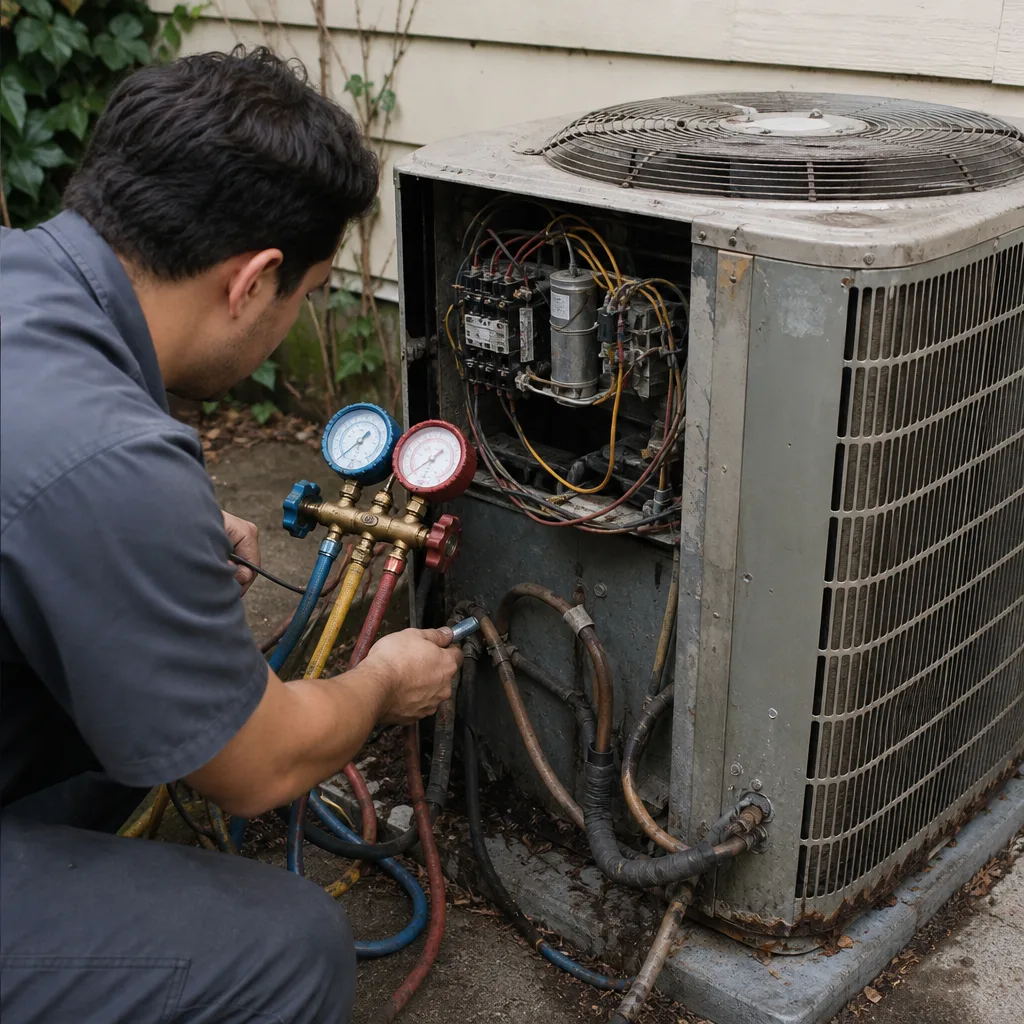 Before
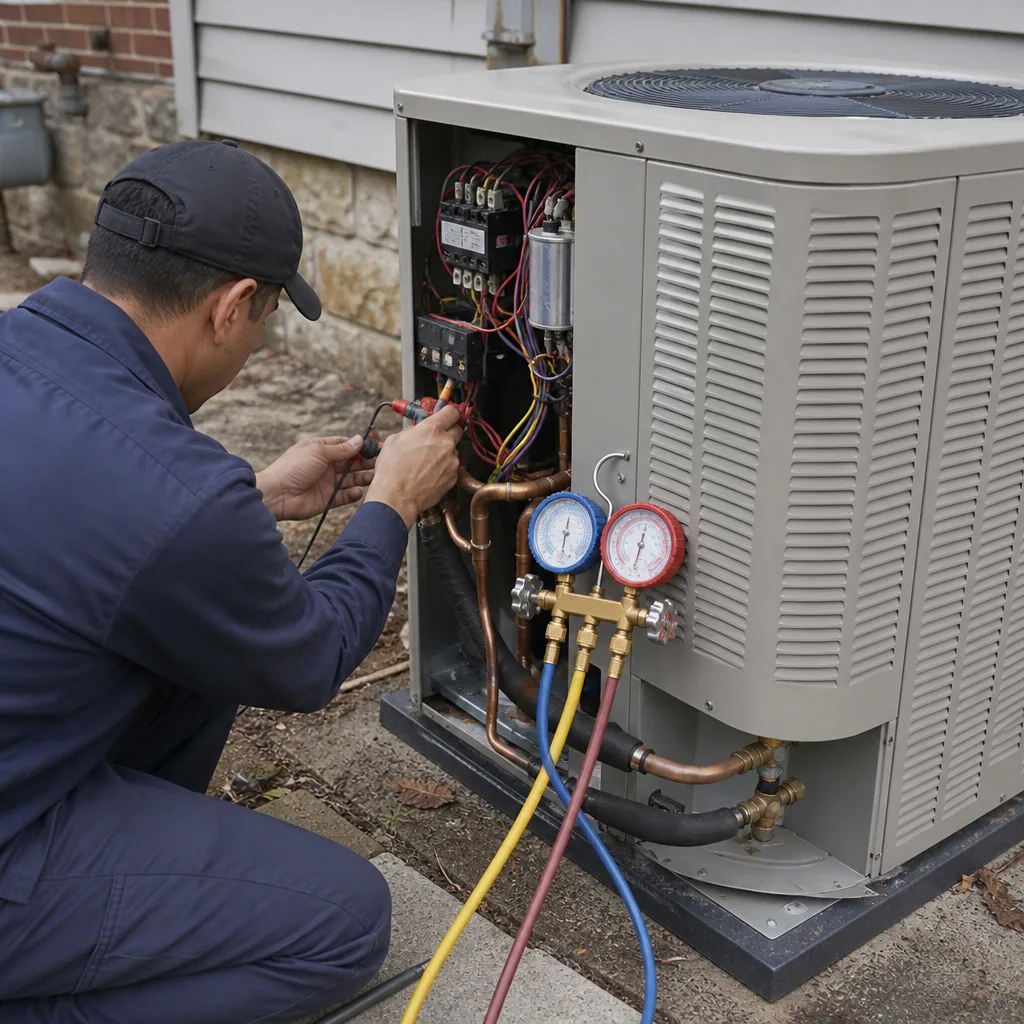 After
After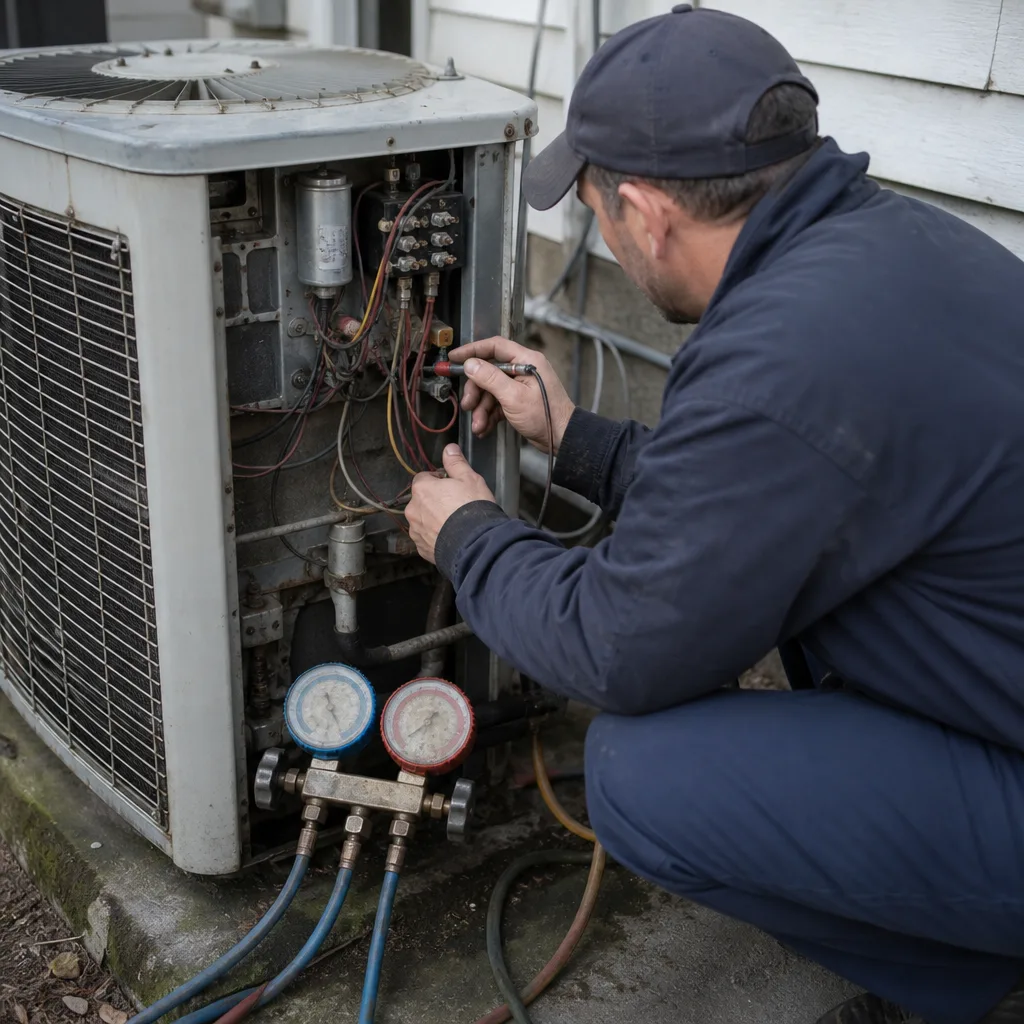 Before
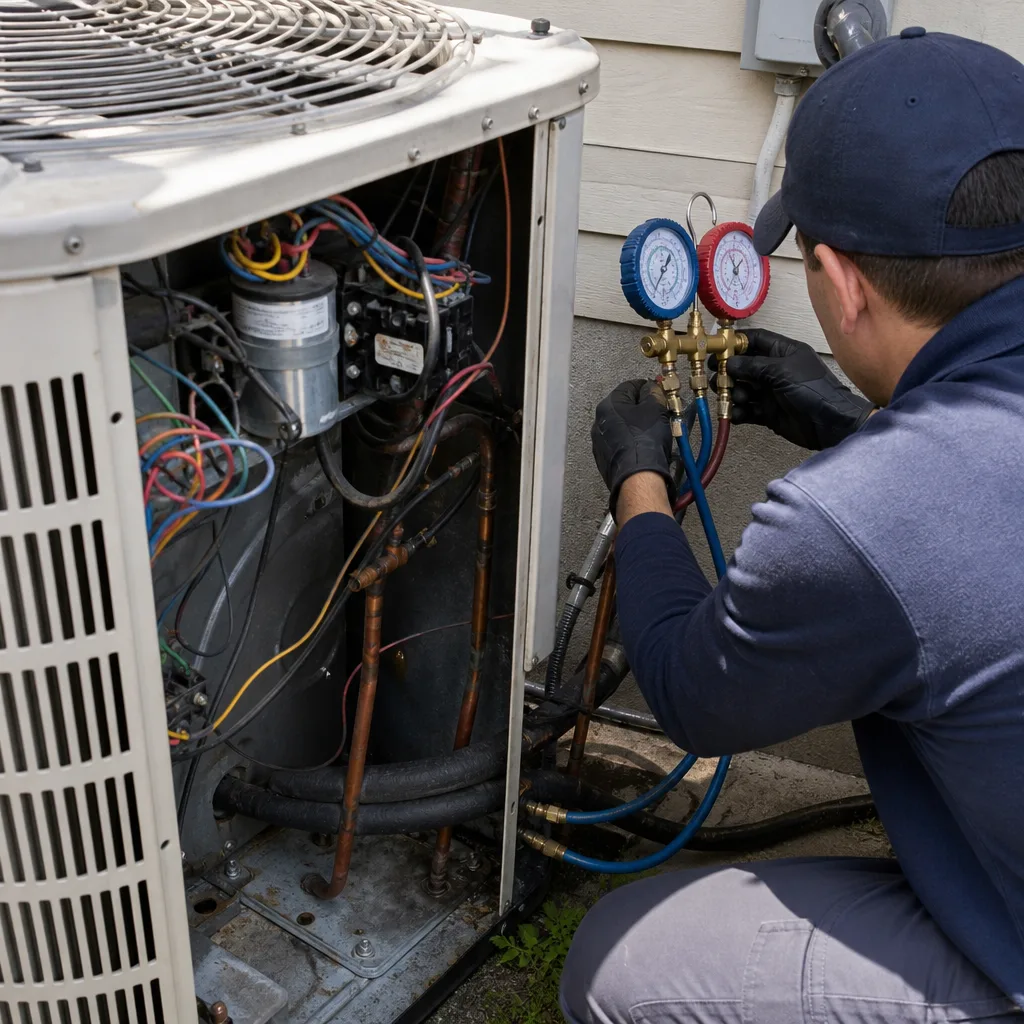 After
After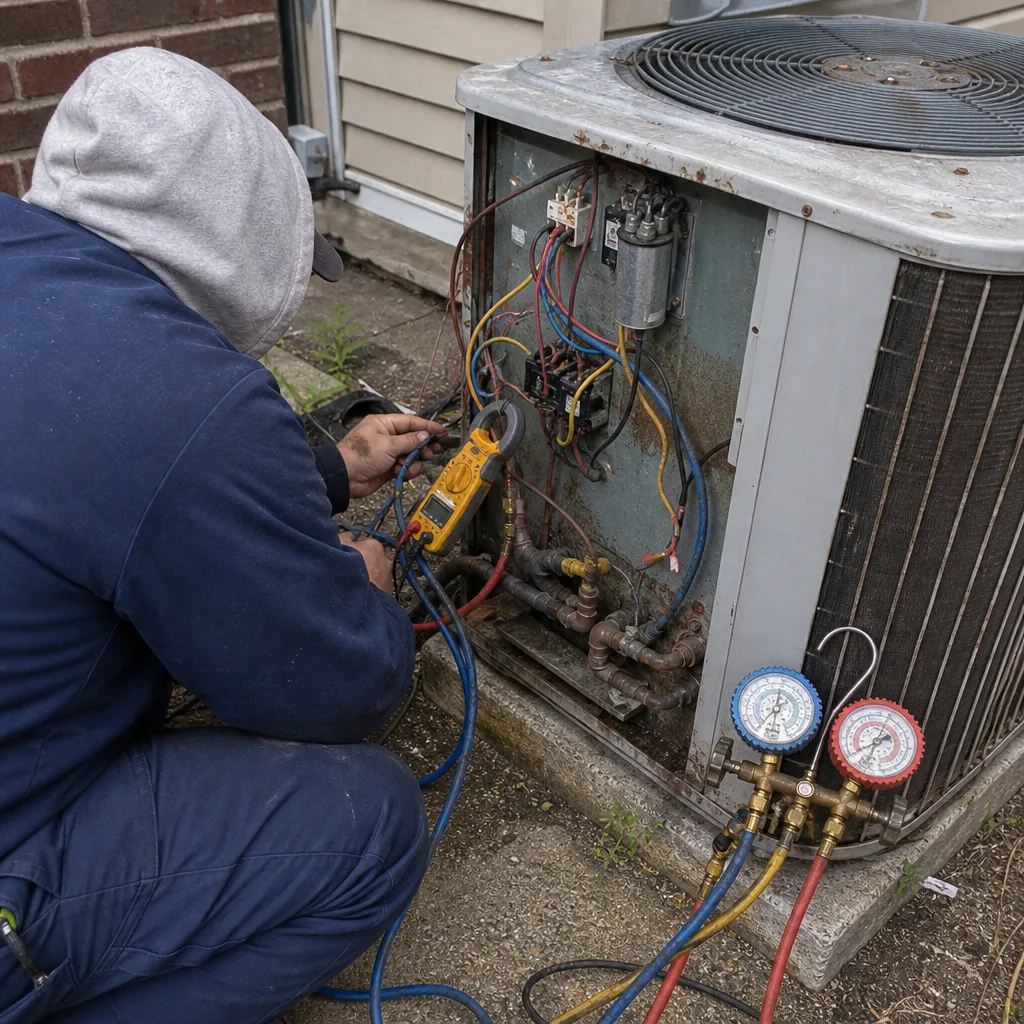 Before
 After
AfterWhen to Call a Professional
Some HVAC jobs are genuinely dangerous to attempt yourself. High-voltage electrical connections, gas line work on a furnace, and refrigerant handling all require trained, licensed professionals. Refrigerant is federally regulated under EPA Section 608, and handling it without the proper certification is a federal violation. Gas work on a furnace done incorrectly is a carbon monoxide risk. Electrical work on an AC condenser done wrong is a fire risk. If your system involves any of these components, don’t attempt a DIY repair. AC installation in Brooklyn is also not a DIY project: the permitting requirements, the structural constraints of older buildings, and the equipment handling all require a licensed contractor. Meadowsweet Heating and Air Brooklyn offers free estimates in Brooklyn. Call (315) 873-2984 to schedule one.
Frequently Asked Questions
Go to the New York Department of State’s public license search portal and enter the contractor’s name or license number. Confirm the license is active and that the license type matches HVAC work. This takes under two minutes and should be done before you hire anyone.
Yes, for many types of HVAC work in Brooklyn, including ductwork modification, certain equipment replacements, and any work that touches building systems. A contractor who says a permit isn’t needed should be questioned, and you can verify requirements on the NYC Department of Buildings website. Unpermitted work becomes a title issue when you sell.
A written HVAC quote from a Brooklyn contractor should include the exact equipment model number, refrigerant type, disposal method, permit responsibility, and a line-item price breakdown for equipment, labor, materials, permits, and disposal. If any of these are missing, don’t sign until they’re added.
AC repair in Brooklyn typically runs $180 to $450 for minor issues and $800 to $2,500 for major components. Full AC installation ranges from $6,000 to $12,000 for a single-zone replacement and $15,000 to $30,000 or more for new ductwork in a prewar building. Furnace repair typically runs $200 to $600. Call (315) 873-2984 for an exact quote. Estimates are free.
Yes, most Brooklyn co-op and condo boards require approval for HVAC work through an alteration agreement. The agreement specifies insurance requirements, work hours, and sometimes equipment restrictions. Review the alteration agreement before getting quotes, and give a copy to every contractor before they bid.
Meadowsweet Heating and Air Brooklyn services nine leading equipment brands, including Carrier, Trane, Lennox, Daikin, Bryant, Rheem, York, Goodman, and American Standard. If you need AC repair or installation, call (315) 873-2984. A live person answers every call, 24/7.
The Bottom Line
Hiring an HVAC contractor in Brooklyn is a different process than hiring one anywhere else in the country. The licensing is more complex, the buildings are older, and the co-op board requirements add a layer of bureaucracy that doesn’t exist in the suburbs. But the vetting process is learnable. Verify the NYS license and DOB registration. Require a written scope of work with a line-item price. Ask the three questions that expose real Brooklyn experience. Review the alteration agreement if you’re in a co-op or condo. And run the checklist on every contractor before you sign. Do that, and you’ll find a contractor who treats your home like a home, not a job site. Call (315) 873-2984 for a free estimate from Meadowsweet Heating and Air Brooklyn.
Written by Luis Serrano, Owner at Meadowsweet Heating and Air Brooklyn, serving Brooklyn since 2004.