
Last updated October 16, 2026
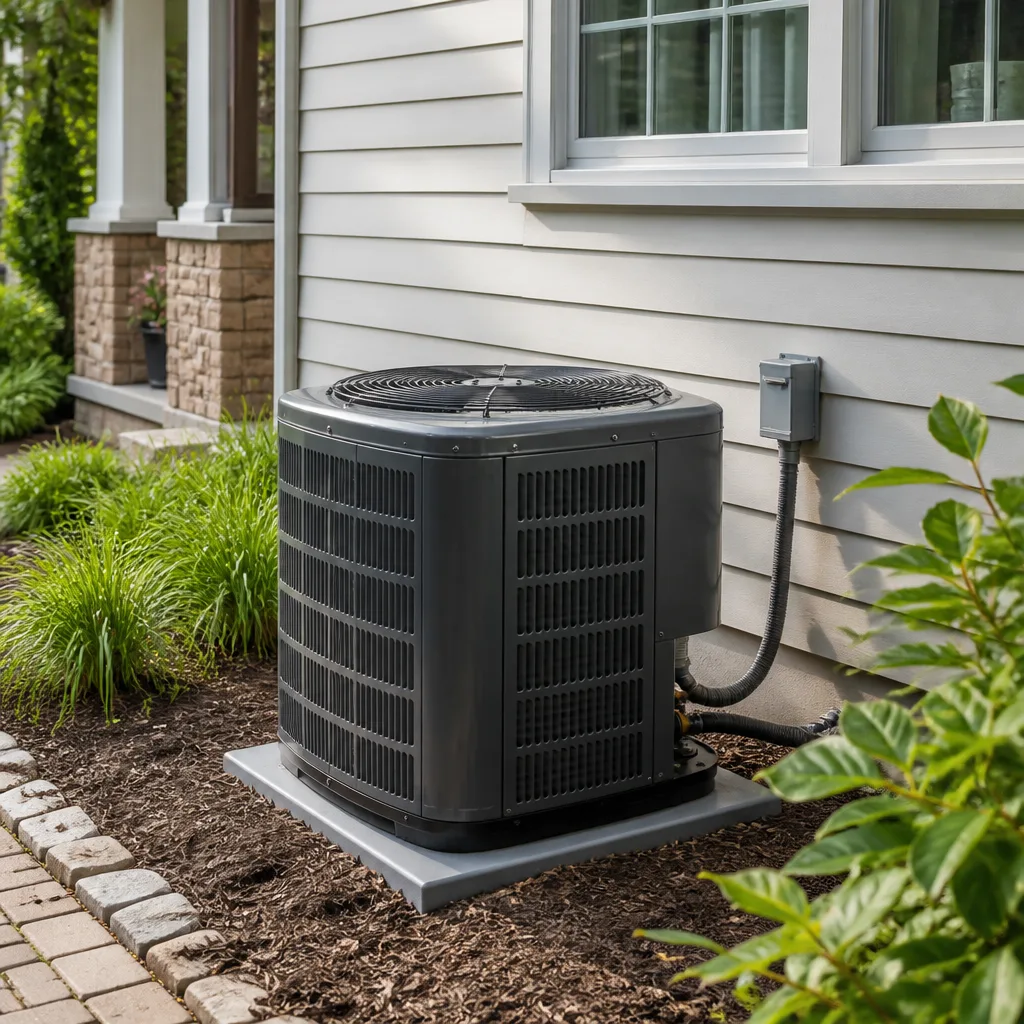 AC repair
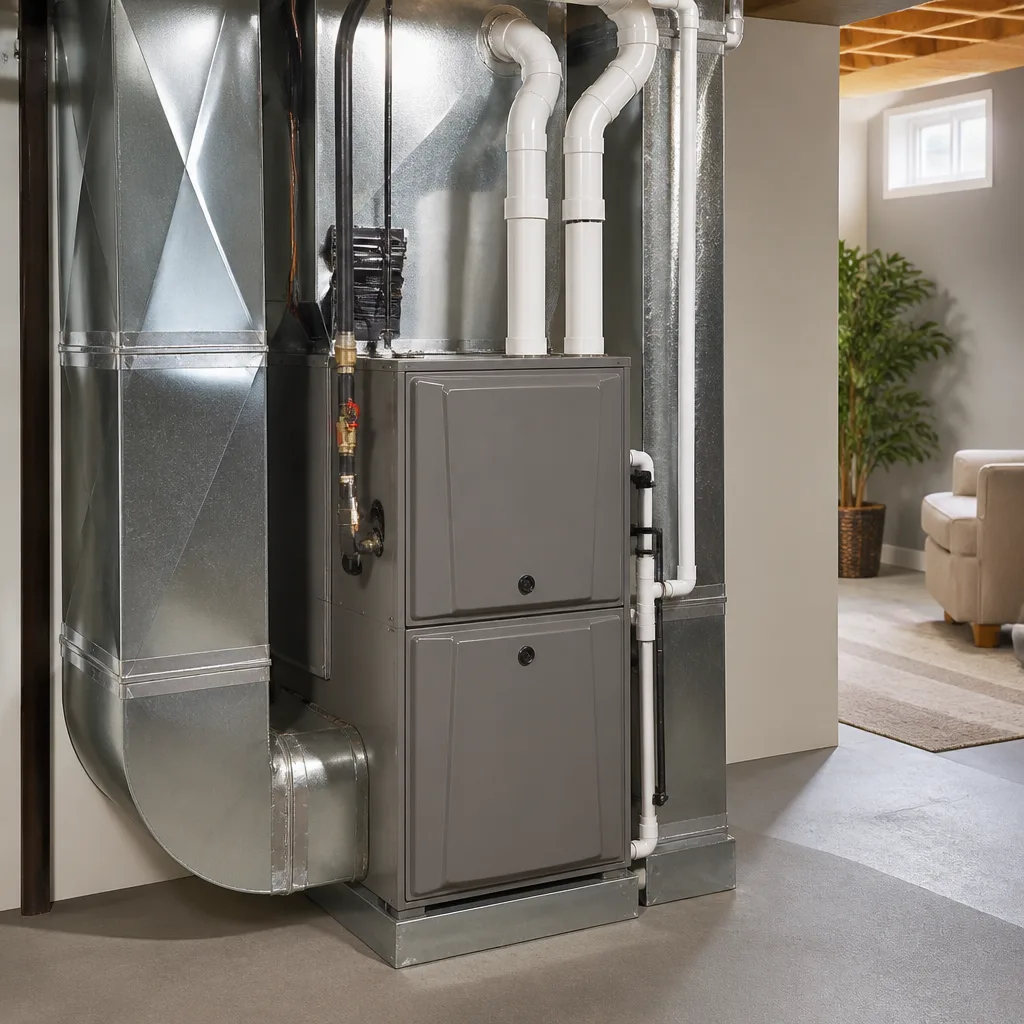 Furnace & heating
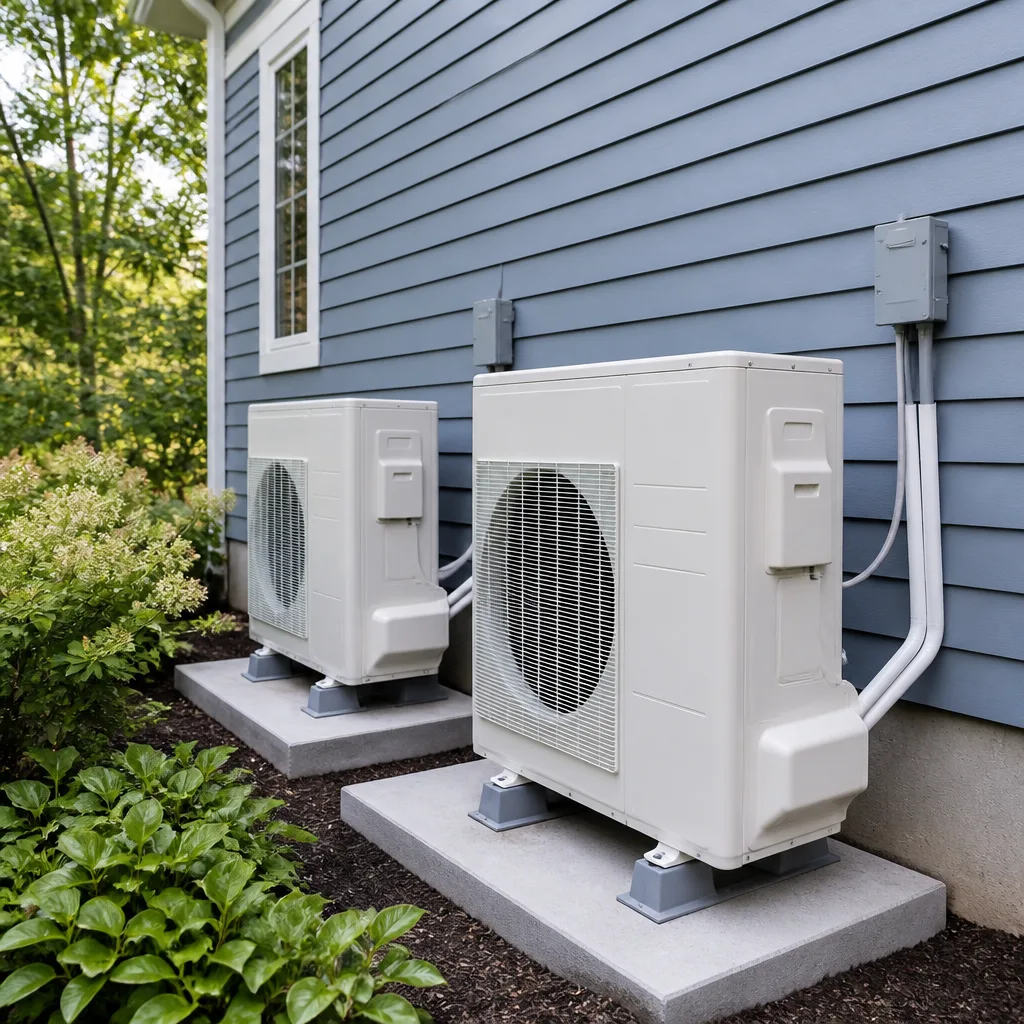 Heat pumps
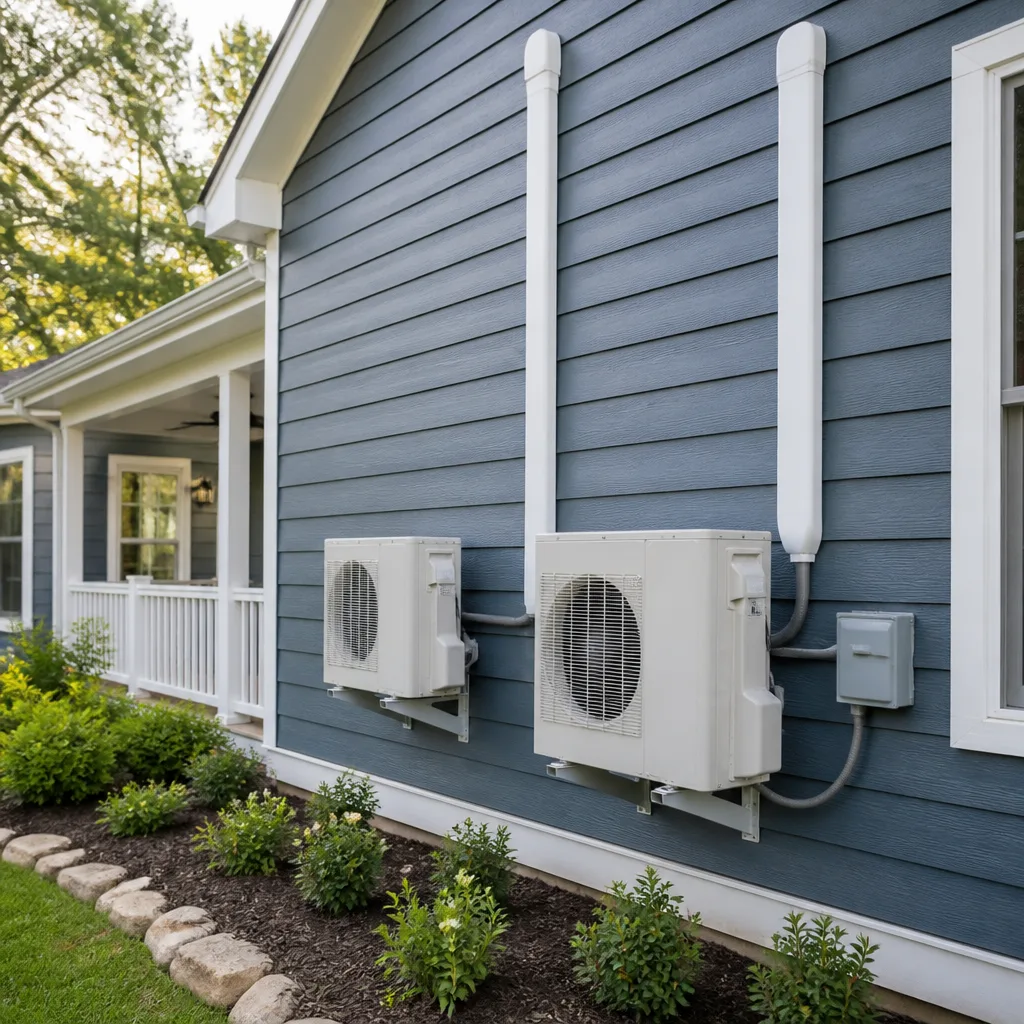 Ductless mini splits
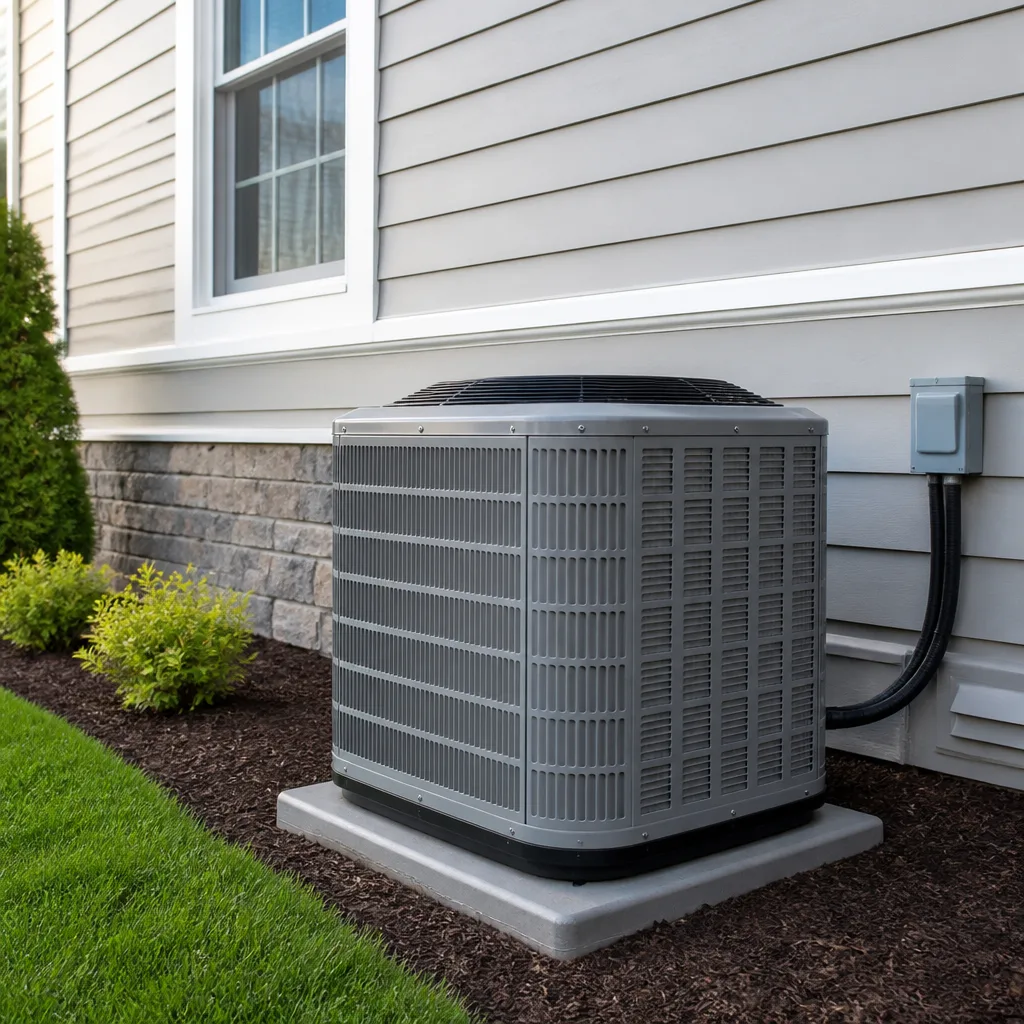 Carrier
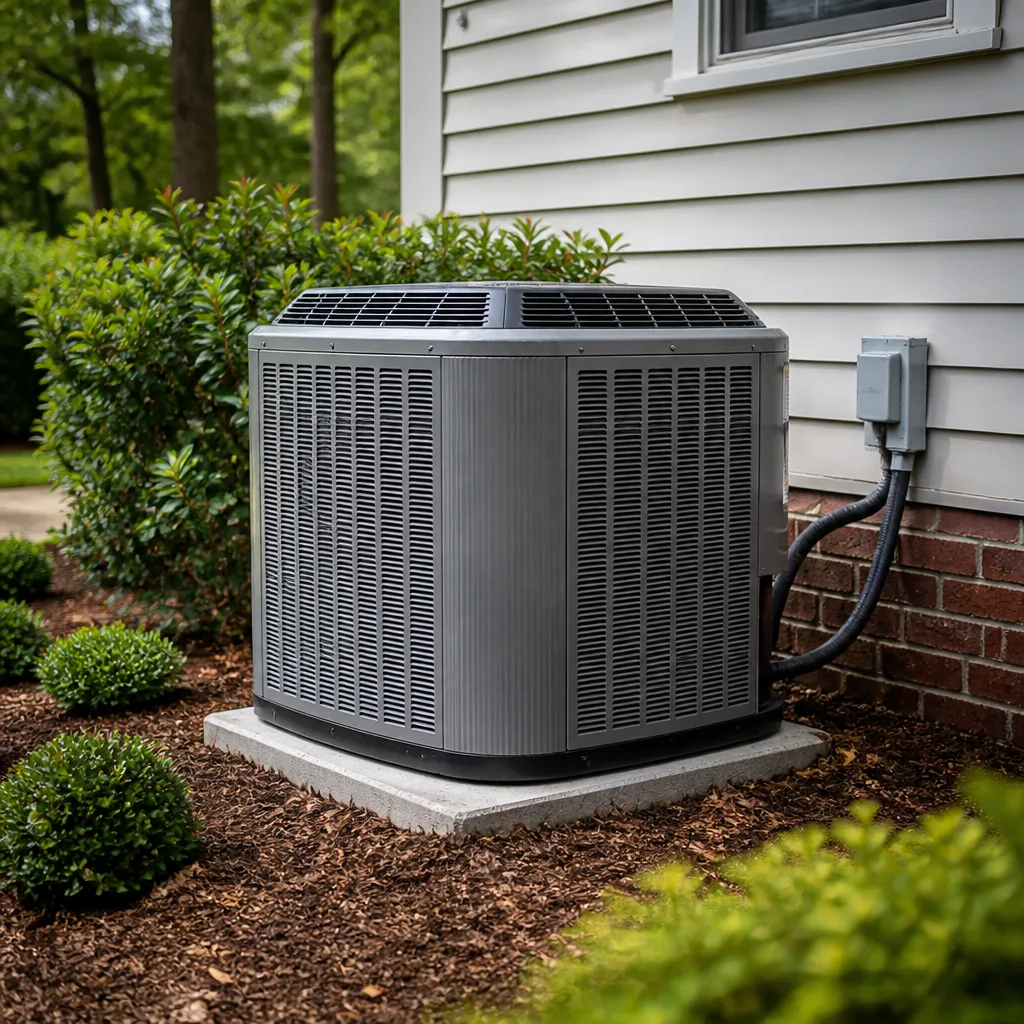 Trane
Trane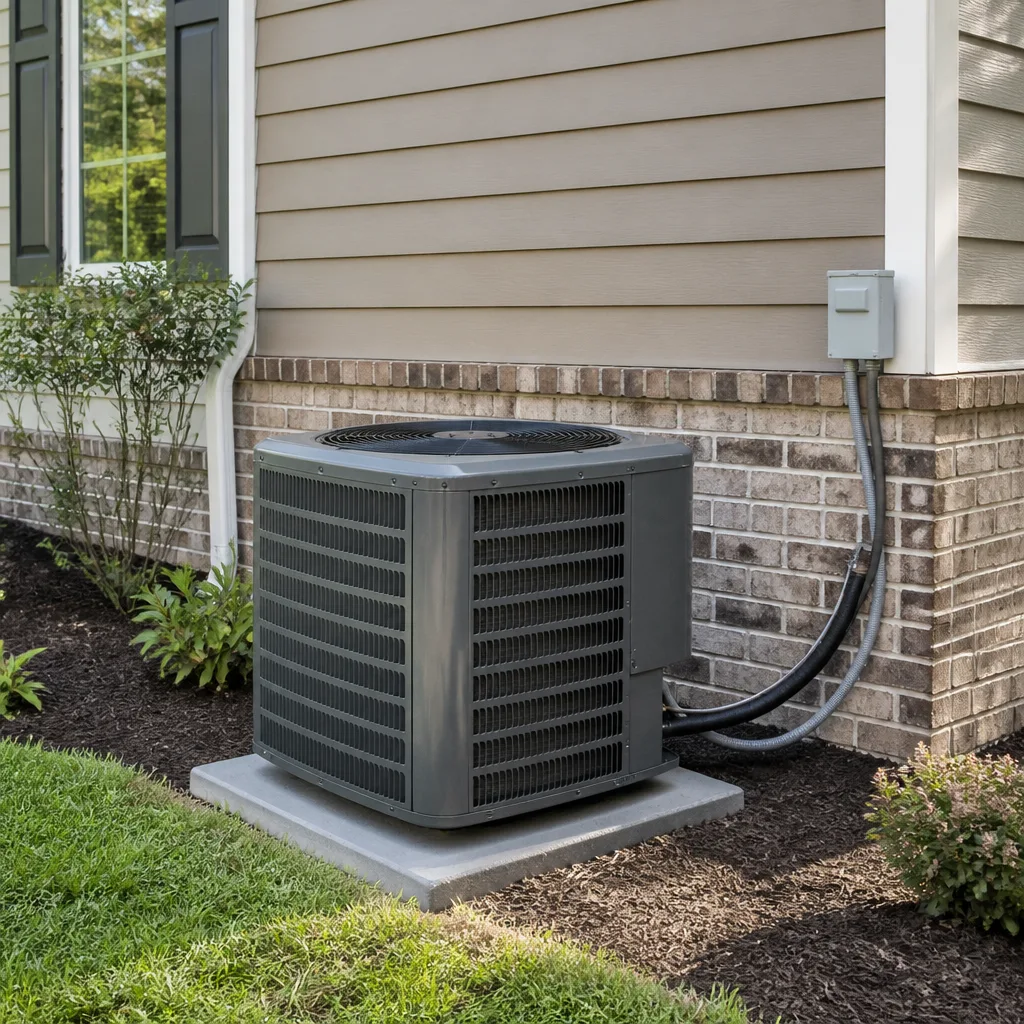 Goodman
Seasonal tune-up and full diagnostic on your Carrier, Trane, or Goodman system - readings shown to you before any repair is proposed
Diagnosis first, numbers second - you approve the repair price before a single part goes in.
Get your free estimateAC Repair Maintenance Checklist for Brooklyn Homeowners
Most AC maintenance checklists read like they were written for a house in Ohio. But a rooftop condenser in Bushwick accumulates roughly three times the particulate matter of a unit in a low-traffic suburb, and a window unit facing the BQE corridor picks up a grime load no generic list accounts for. Brooklyn’s combination of rooftop exposures, dense street-level exhaust, old ductwork, and mixed housing stock means the standard advice often misses the actual failure points that cost homeowners real money. This guide gives you a unit-specific checklist built around how Brooklyn HVAC systems actually fail, what to inspect safely yourself, which tasks belong to a licensed pro under NYC rules, and what skipping maintenance really costs in dollars. For deeper context, see The Complete Guide to HVAC in Brooklyn.
Quick Answer
An AC maintenance checklist for Brooklyn should be organized by unit type, not as a one-size-fits-all list: inspect window units monthly for coil grime and seal gaps, clean or replace filters every 4 to 6 weeks during summer in high-traffic neighborhoods, check rooftop units for pigeon guards and blocked condensate drains in May before the first heat spike, and schedule a professional cleaning and inspection of central systems once a year. The most cost-effective month to schedule professional service in Brooklyn is May, before the sudden June heat arrives and repair demand peaks.
Styles & brands we work with
Table of Contents
- The Unit-Type Matrix: What You’re Actually Maintaining
- The Brooklyn Filter Reality: Replacement Frequency by Neighborhood
- What You Can Safely Check Yourself Under NYC Rules
- What Requires a Licensed Technician in Brooklyn
- Why a May Service Visit Beats a June One in Brooklyn
- The Real Cost of Skipping Annual Cleaning: A Monthly Dollar Figure
- Common Mistakes to Avoid
- When to Call a Professional
The Unit-Type Matrix: What You’re Actually Maintaining
Brooklyn’s housing stock is unlike almost anywhere else in the country. On a single block in Sunset Park or Bed-Stuy, you’ll find pre-war brownstones with steam heat and retrofitted central air, six-story walk-ups with window units in every room, newer condos with ductless mini-splits, and two- and three-family homes with rooftop package units. Each system fails differently, and a checklist that treats them identically will send you looking for a condensate drain that doesn’t exist on your system. Here is what to inspect on each type.
Window Units (Sleeve and Drop-In)
- Check the filter monthly during cooling season. Window units in street-facing windows collect exhaust soot fast, especially within two blocks of Flatbush Avenue, Atlantic Avenue, or any commercial corridor with bus traffic.
- Inspect the accordion side panels and the window seal where the unit meets the sash. Gaps let hot humid air in and make the unit run constantly.
- Look at the exterior grill for bent fins and accumulated lint. Bent fins reduce airflow and force the compressor to work harder.
- Test the drain path. Window units drain by gravity to the exterior, and a tilted-correctly unit (slightly down toward the outside) prevents the inside pan overflowing.
- Listen for a change in the compressor sound between early morning and late afternoon. A unit that gets noticeably louder as the day heats up often has dirty condenser coils.
Rooftop Package Units (Common in Two- and Three-Family Homes)
- Check for pigeon guards and their condition. Pigeon droppings are corrosive and acidic. A torn or missing guard over the condenser coil is an open invitation for nesting material, feather debris, and droppings that eat through aluminum fins over time.
- Inspect the condensate drain line and pan on the roof side. Rooftop units in Brooklyn frequently clog because wind-driven debris, tar-paper grit from neighboring roofs, and pigeon material collect in the pan.
- Look at the clearance around the unit. Rooftop decks, stored furniture, and building materials often get pushed up against the condenser’s airflow path, starving the unit of air.
- Check the disconnect switch area for signage and access. Blocked or buried disconnects slow down emergency repairs when a unit fails in July.
Ductless Mini-Split Heads
- Clean the washable filter in each head every 2 to 4 weeks during peak cooling. Mini-split heads in Brooklyn apartments with open kitchen plans accumulate cooking oil film on the filter faster than they would in a house with a separate kitchen.
- Visually inspect the coil face for mold spots or dark streaking. Mini-split heads are prone to microbial growth when the condensate drain line gets even partially clogged.
- Check the line-set cover where it exits the wall and runs to the outdoor unit. Cracked or open covers let rain in and invite squirrels, which are a real problem in Park Slope and Ditmas Park with mature tree cover.
- Confirm the remote settings are not the problem before assuming a refrigerant leak. Half of service calls for mini-splits start with a unit set to heat by accident, or a locked remote with a child-lock feature engaged.
Central Air Handlers and Split Systems (Houses and Larger Condos)
- Inspect the filter slot for a tight fit. A filter that rattles or leaves a visible gap permits unfiltered air to bypass, coating the evaporator coil in dust that then hardens into a mat.
- Look at the condensate drain line’s cleanout near the air handler for a water cap missing or cracked. An open cleanout pulls in attic or basement air and defeats the trap.
- Check the outdoor condenser base for settlement. Brooklyn backyards and side yards are often paved or partially paved, and a tilted condenser on settling pavers can stress refrigerant lines at the fittings.
- Listen at the return grill for a whistling sound when the filter is new. That often means the return duct is undersized, which was common in brownstone retrofits done in the 1980s and 1990s.
This matrix explains why the generic advice to “check your air conditioner monthly” is incomplete. A window unit needs your attention in different places than a rooftop package unit does, and a mini-split head needs a different care schedule than a central air handler. The rest of this guide follows the same unit-type logic. If you are not sure which system you have or what you are looking at, our team at Meadowsweet Heating and Air Brooklyn home can assess it during a service visit and give you a written checklist specific to your building.
The Brooklyn Filter Reality: Replacement Frequency by Neighborhood
Filter replacement advice from national publications follows a pattern: change your filter every 90 days, or every 30 days if you have pets. That advice ignores where Brooklyn air actually moves. We measure filter condition on service calls across the borough, and the differences between neighborhoods are stark.
A one-inch filter in a central system in Dyker Heights or Marine Park, where streets are residential and the BQE is distant, will often go 60 to 90 days before truly needing replacement. The same filter in a building within three blocks of the Gowanus Expressway or the BQE elevated section will be visibly gray and clogged in 30 days. Buildings near subway ventilation grates, particularly around Fourth Avenue in Sunset Park and along the elevated lines that run above Broadway in Bushwick, also show faster filter loading from steel dust and brake particulate.
Here is a practical replacement schedule for Brooklyn, based on what we actually pull out of systems:
- Within 3 blocks of the BQE, Gowanus Expressway, or a commercial truck route: replace one-inch filters every 30 days during cooling season.
- Within 2 blocks of an above-ground subway line or a major bus corridor (Flatbush Avenue, Utica Avenue, Nostrand Avenue): replace every 4 to 6 weeks during summer.
- Residential side streets in southern Brooklyn (Gravesend, Sheepshead Bay, Mill Basin): every 60 to 90 days is usually sufficient.
- Homes with multiple pets or a window-unit-heavy setup near a busy avenue: inspect monthly and replace when you cannot see light through the filter held up to a lamp.
- Mini-split washable filters in any neighborhood: rinse and dry every 2 to 4 weeks during peak cooling, more often if you cook frequently in an open kitchen.
The cost difference between following this schedule and ignoring it is not trivial. A clogged filter causes the blower motor to work against resistance, which raises amp draw and reduces heat exchange across the coil. On a typical Brooklyn home with a 2.5-ton central system, a consistently dirty filter adds roughly $18 to $26 per month in summer electricity use, and that is before considering the long-term wear on the blower motor. The filter itself costs $4 to $12. This is the single highest-return maintenance action available to a homeowner, and it takes less than two minutes.
What You Can Safely Check Yourself Under NYC Rules
There is a practical line between what a homeowner can inspect and what requires a licensed professional. In New York City, refrigeration work involving refrigerant handling requires EPA Section 608 certification. Electrical connections inside a condenser disconnect or air handler are not a homeowner job. But several inspection tasks are safe, legal, and genuinely useful for catching problems early. Here is a step-by-step process for a safe visual inspection you can do without opening any sealed component.
- Inspect the visible condensate line and where it drains. Find where the white PVC line exits the indoor unit and where it terminates outside or into a floor drain. Look for standing water around the drain point, mineral crust, or dark staining. In Brooklyn basements with floor drains, slow drainage shows up as rust-colored rings.
- Visually identify coil fins you can see without removing panels. On window units, the exterior-facing fins are visible through the grill. On many condensers, the outer coil wraps the unit and is visible through the louvered top or sides. Bent or paper-thin looking fins reduce airflow and are worth mentioning to a tech when you call.
- Check the drain pan under an attic air handler or a closet unit. A wet pan with no drain flow during cooling season indicates a clog. A dry pan with visible flakey white deposits suggests the system has overflowed and evaporated repeatedly.
- Look for ice on the larger refrigerant line at the condenser. A frosted suction line or a frozen coil when the system has been running normally signals low refrigerant or low airflow. Turn the system off and call for service; running it while frozen damages the compressor.
- Check visible wiring jackets for chew marks or brittleness. Squirrels and rats in Brooklyn are not metaphors; they are regular visitors on rooftop and wall-line routes in Brownstone Brooklyn. If the outer jacket on wiring is damaged, keep clear of it and have a licensed technician evaluate it.
These checks do not require touching refrigerant lines, opening electrical cabinets, or working on a roof without proper access. If your condenser is on a roof with a parapet wall and no fixed ladder, accessing it safely may require a ladder, a spotter, and proper footgear. In our experience, many Brooklyn homeowners wisely choose to let a professional perform even these visual checks when the equipment sits on a steep or inaccessible roof. There is no shame in that. The point is knowing what to look for so that you can describe what you see accurately when you call.
What Requires a Licensed Technician in Brooklyn
Some maintenance tasks sit firmly on the professional side of the line, and for good reason. A licensed HVAC technician handles them safely, legally, and with the right equipment. More importantly, the work is often covered by the company’s guarantee, which your own attempt would not be.
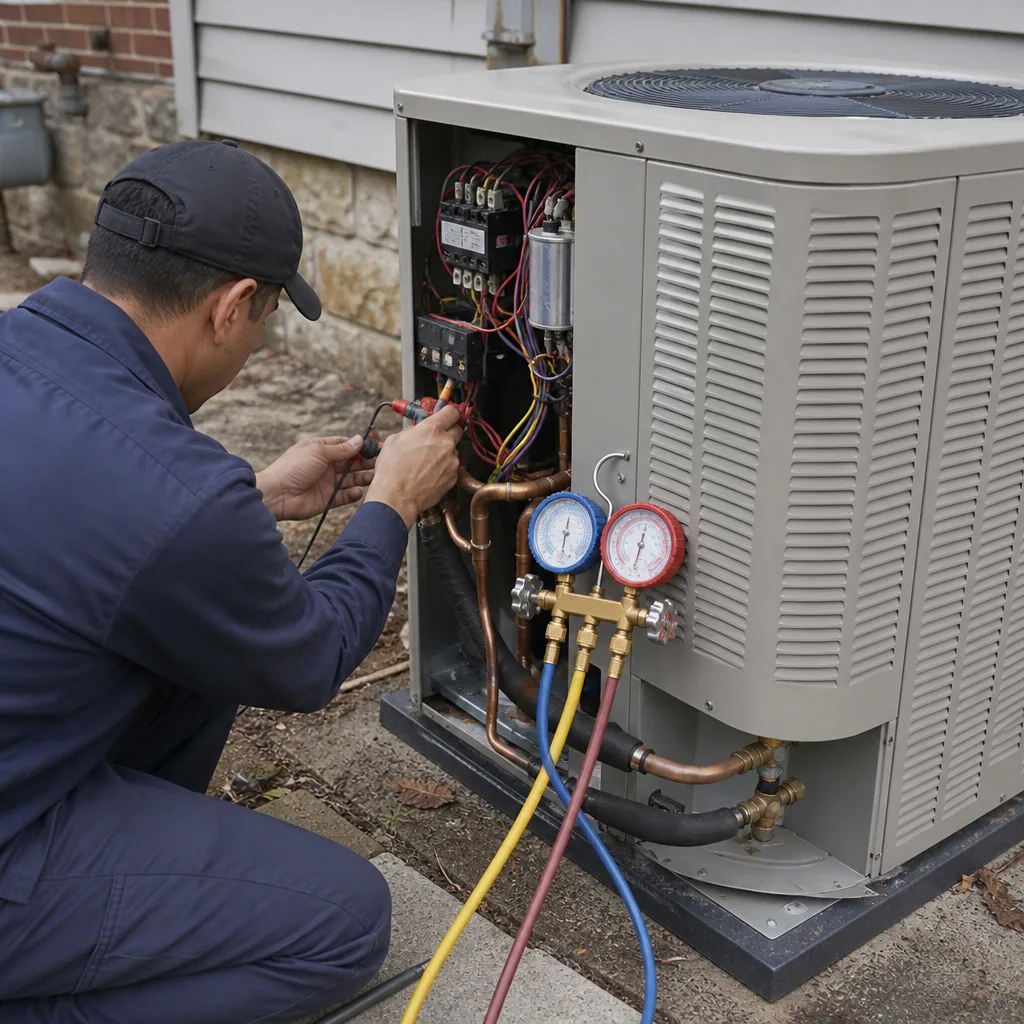
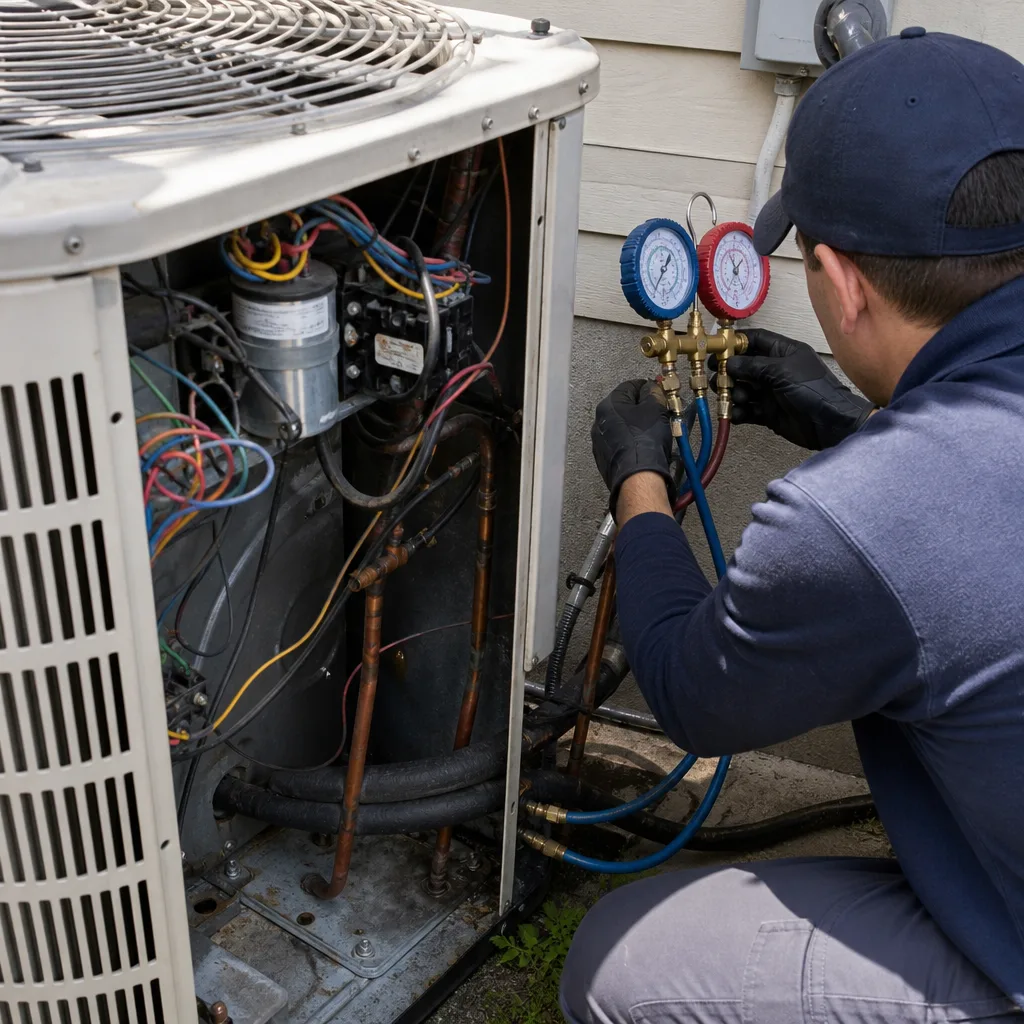
- Refrigerant level verification and charging. Handling refrigerant is federally regulated, and New York State adds its own licensing layer. A system that is low on refrigerant has a leak somewhere; a good technician identifies and repairs the leak before recharging.
- Coil cleaning that requires removing panels or using professional cleaning chemicals. Cleaning the evaporator coil on a central system means opening the air handler cabinet, protecting the electrical compartment, and using a no-rinse foaming cleaner in a confined space. Done wrong, this damages the blower or shortens the control board.
- Condensate line clearing with compressed gas or a wet-vac on a roof system. On rooftop package units, dry compressed air or nitrogen can be used to clear blockages, but the line routing and trap must be understood first to avoid blowing a fitting loose inside a wall.
- Any electrical inspection or tightening. Condenser disconnects, capacitor checks, thermostat wiring, and breaker connections all carry live voltage. A uniformed technician with a background check and the training to work in Brooklyn’s older panels is the right call.
- Rooftop work with hoisting, ladders, or parapet access. Roof access in Brooklyn can involve bulkhead ladders, fire escapes, extension ladders, or sloped multi-family roofs. Falls and dropped tools are real. This is a safety-specific job.
Our position on this at Meadowsweet Heating and Air Brooklyn is straightforward, and it comes from Luis Serrano, who runs our Brooklyn operation. The homeowner tasks are the monthly and seasonal inspections we described above; everything that involves refrigerant, electrical, sealed-panel, or roof-access work goes to a pro through our AC Repair services. We would rather walk the roof for you and send you photos of what we found than hear you attempted it with a borrowed ladder. That’s the level of caution that Brooklyn’s building stock demands.
Why a May Service Visit Beats a June One in Brooklyn
Brooklyn’s cooling season does not ramp gradually. It arrives in a step change, usually in early June, when the first sustained 85-degree stretch of the year lands. In 2023 and 2024, the first heat advisory of the year came before the third week of June. When that happens, every HVAC company in the borough books out within hours, and homeowners who skipped maintenance wait days for what should have been a 45-minute inspection and cleaning.
May is the sweet spot. The weather is mild enough that a service disruption is not uncomfortable. Techs are not yet running emergency calls back to back. And any repair that surfaces, whether a failing capacitor or a clogged condensate line, can be addressed with parts from local supply houses before the rush empties their shelves. By late June, common capacitors and specific control boards for Trane, Goodman, and Rheem units routinely go out of stock at Brooklyn suppliers for days at a time.
The same logic applies to window units. Cleaning and checking your own window units in May means you will find a dead compressor or a cracked seal before the heat wave, not during it. A window unit that fails in June cannot be replaced same-day at a store in many Brooklyn neighborhoods because inventory sells through in the first heat wave. When you do need professional help, AC repair in Brooklyn in May is a calm, scheduled event. In June, it is triage. Most homeowners who have lived through one Brooklyn heat wave learn this after the fact. We would rather you learn it now, before the thermometer does it for you.
The Real Cost of Skipping Annual Cleaning: A Monthly Dollar Figure
People skip maintenance because it feels like money saved. Let’s put the real numbers on the table, because the opposite is true.
A dirty condenser coil on a 3-ton central system reduces heat exchange efficiency by 15% to 30%, depending on how fouled it is. On a typical Brooklyn summer utility bill, that translates to an extra $28 to $52 per month in electricity, spread across June through September. That is $112 to $208 in avoidable cost per season. A professional coil cleaning service typically runs $150 to $300, which means the cleaning pays for itself within one to two seasons. Meanwhile, the same clogged coil forces the compressor to run hotter, and compressor heat is the exact mechanism that shortens compressor life. A replacement compressor for a 3-ton system costs $1,400 to $2,800 installed in Brooklyn, which is more than a decade of annual cleanings.
Skipping the evaporator-side cleaning is worse. A matted evaporator coil reduces heat absorption, causing the system to run longer and cool unevenly. It also leads to condensate problems, because the finer dust that gets past a dirty filter settles on the coil and sloughs off into the drain pan, which clogs the line. A clogged condensate line in a hot attic or closet air handler causes water to overflow, and that overflow is what rots out the plywood under attic systems and the drywall under closet units. In a Brooklyn brownstone with original plaster details, water damage from an air handler overflow is a four-figure repair before you even address the HVAC problem.
Here is the monthly dollar framing we give homeowners: on a central system, skipping annual maintenance costs between $10 and $25 per month in extra electricity during the cooling season, plus an average of $18 to $35 per month when you spread the lifecycle cost of early compressor failure across the system’s shortened life. So a “free” season of skipping maintenance costs roughly $30 to $60 per month, every month, for the remaining life of the equipment. A May service visit at AC installation in Brooklyn or repair rates costs less than two months of that. The math is not close.
Common Mistakes to Avoid
- Using the cheapest fiberglass filter and forgetting it for six months. Fiberglass filters catch large debris but pass fine particulate that then loads the coil. In a borough with heavy street dust, a pleated MERV 8 filter is the practical floor.
- Closing registers in unused rooms to “save money.” Central systems in Brooklyn homes are often already undersized from retrofits. Closing registers raises static pressure, causing the blower to work harder and the coil to run colder, which leads to freezing.
- Planting or storing things directly against a ground-level condenser. Brooklyn side yards are tight, and it is tempting to screen a condenser with shrubs or store garbage bins around it. Airflow starvation is the guaranteed result.
- Running a window unit with the vent damper open on a smoggy day. The vent setting pulls outdoor air through the unit. On a day with a Queens-bound air mass carrying ozone, you are pulling that into the room and also reducing cooling efficiency.
- Ignoring the noise change. A condenser or air handler that develops a new rattle, hum, or metal-on-metal sound is communicating. Brooklyn homeowners who wait for a full failure usually replace a $40 capacitor with a $500 control board repair.
- Treating a rooftop unit as out-of-sight, out-of-mind. Rooftop package units in Brooklyn quietly accumulate failure-inducing debris. A pigeon guard inspection alone can save an entire condenser coil.
- Waiting until the first heat advisory to test the system. The worst time to discover a failed capacitor is the afternoon the temperature hits 93 and every neighbor is calling for the same reason.
When to Call a Professional
Call a professional when the system trips its breaker, when you see ice on refrigerant lines, when the condensate pan fills and does not drain, when the system runs but delivers warm air, or when you hear a grinding or shrieking noise from either unit. Those are not maintenance items; they are repair conditions. Also call for anything on a roof you cannot safely access, or any electrical panel you are not trained to open. Rooftop work and live voltage are not homeowner territory. Meadowsweet Heating and Air Brooklyn offers free estimates in Brooklyn, and our furnace repair in Brooklyn and AC service teams follow a clear protocol: written price before work begins, shoe covers and drop cloths inside, and a photo of the cleanup before we leave. Call (315) 873-2984 when you need service or a roof inspection you would rather not attempt.
See the difference
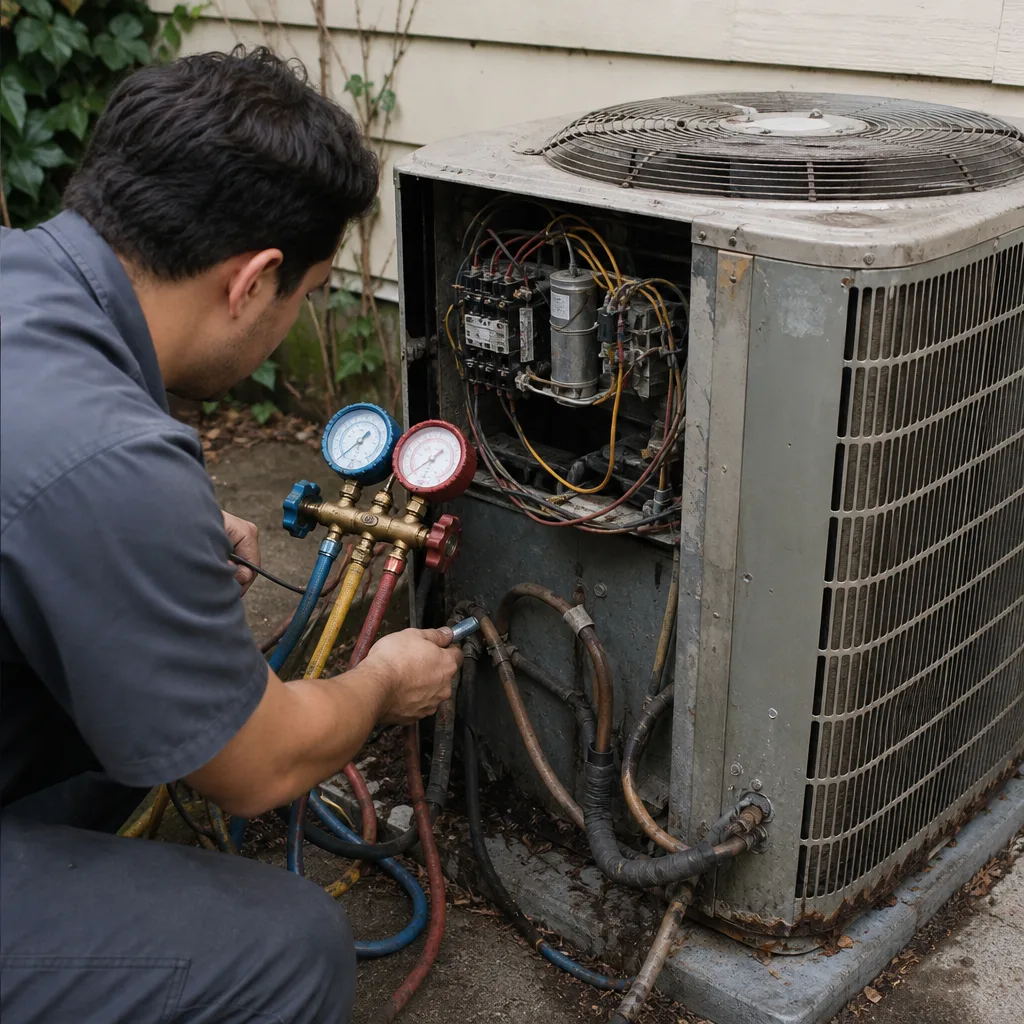 Before
 After
After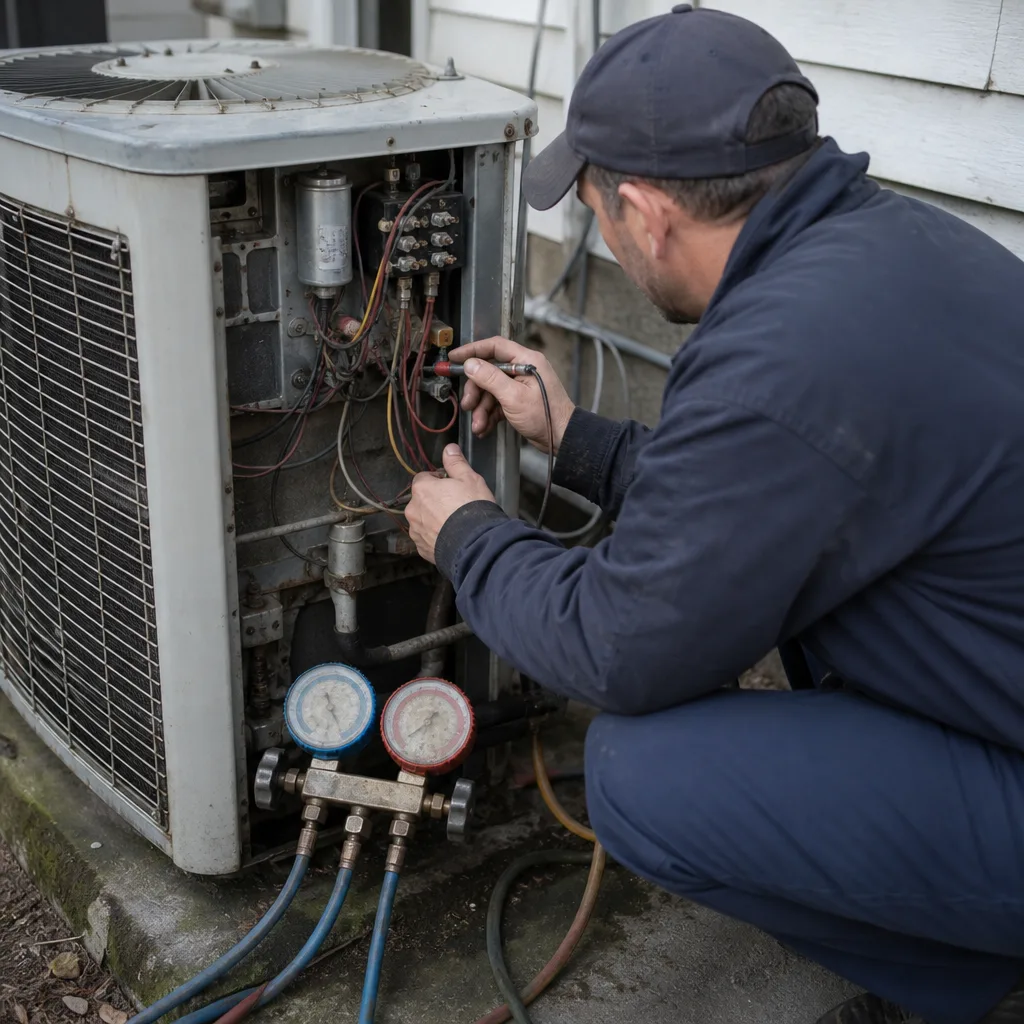 Before
 After
After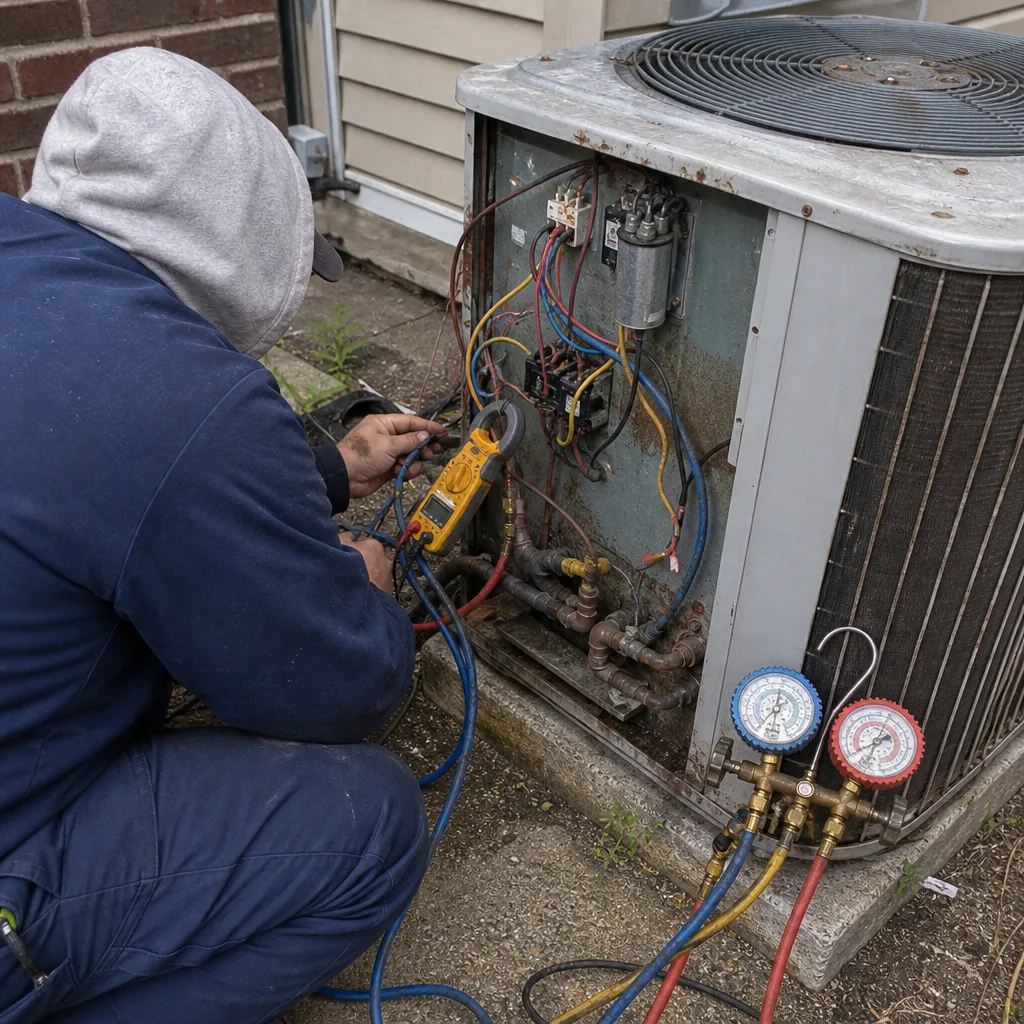 Before
 After
AfterFrequently Asked Questions
In high-traffic neighborhoods near the BQE, Gowanus Expressway, or major bus corridors, clean or replace one-inch filters every 30 days during cooling season; in quieter southern Brooklyn neighborhoods, every 60 to 90 days is usually sufficient. Hold the filter up to a light, and if you cannot see through it, it is due. Mini-split washable filters should be rinsed every 2 to 4 weeks during peak summer, especially in apartments with open kitchens that generate cooking oil film. Call (315) 873-2984 if you want a technician to check your filter sizing and air quality setup during a service visit.
Visually inspecting a rooftop unit from a safe access point is fine, but accessing a roof without a fixed ladder, parapet protection, or proper equipment is not something we recommend. Pigeon guard checks, condenser clearance checks, and visible coil inspection can be done from a safe position, but anything involving opening panels, clearing a blocked drain with compressed gas, or hoisting cleaning equipment should be left to a licensed professional. We do this work for Brooklyn homeowners throughout the borough, with written pricing and photos of everything we find.
A professional coil cleaning and inspection for a central system in Brooklyn typically runs $150 to $300, depending on whether the condenser is ground-level or rooftop and how heavily fouled the coil is. Mini-split head cleaning and service typically runs $100 to $180 per head, with multi-head packages reducing the per-unit cost. Window unit cleaning is often handled during an annual check for $80 to $140 per unit. Call (315) 873-2984 for a written quote for your specific system; estimates are free.
You can legally and safely clean or replace filters, inspect the visible condensate drain line and pan, visually inspect accessible coil fins, check for ice on the suction line, and listen for abnormal noises. You cannot legally handle refrigerant, which requires EPA Section 608 certification, and you should not open electrical cabinets or sealed refrigerant compartments. For anything beyond visual inspection, call a licensed Brooklyn HVAC technician.
Schedule professional maintenance in May. Brooklyn’s first sustained heat spike normally arrives in early June, and once it hits, service slots fill for days or weeks. A May visit gives you time to address any needed repairs with parts in stock, and it means your window units are clean and tested before the first heat advisory. Homeowners who book in May consistently wait less and pay less than those who call during the first heat wave.
For a household with three or more window units, yes. Annual cleaning and inspection of each unit costs less than $50 more per unit than the materials and time spent doing it thoroughly yourself, and it catches failing compressors and seal gaps before the heat wave. For central systems and mini-splits, an annual plan that includes priority scheduling during peak season is worth it for the scheduling advantage alone. Our team can walk through what a plan covers and what it costs for your specific setup.
The Bottom Line
Brooklyn AC maintenance is not a once-a-year checkbox. It is a unit-specific routine that changes based on whether you have window units on Flatbush Avenue, a rooftop package unit in Bushwick, a mini-split head in a Williamsburg kitchen, or a central air handler in a Dyker Heights house. The highest-value actions are the monthly filter check, the May coil cleaning, the condensate drain inspection, and the visual check for pigeons, ice, and noise changes. What you skip translates directly into dollars, about $30 to $60 per month in extra electricity and shortened equipment life, which is far more than the cost of the maintenance itself. Book the May visit, keep the filters clean, and call a licensed pro for anything on a roof or behind a panel. Find more guides & resources on our blog. The system lasts longer, the bills stay lower, and the first heat wave of the year stops feeling like an emergency.
Written by Luis Serrano, Owner at Meadowsweet Heating and Air Brooklyn, serving Brooklyn since 2004.