
Last updated October 16, 2026
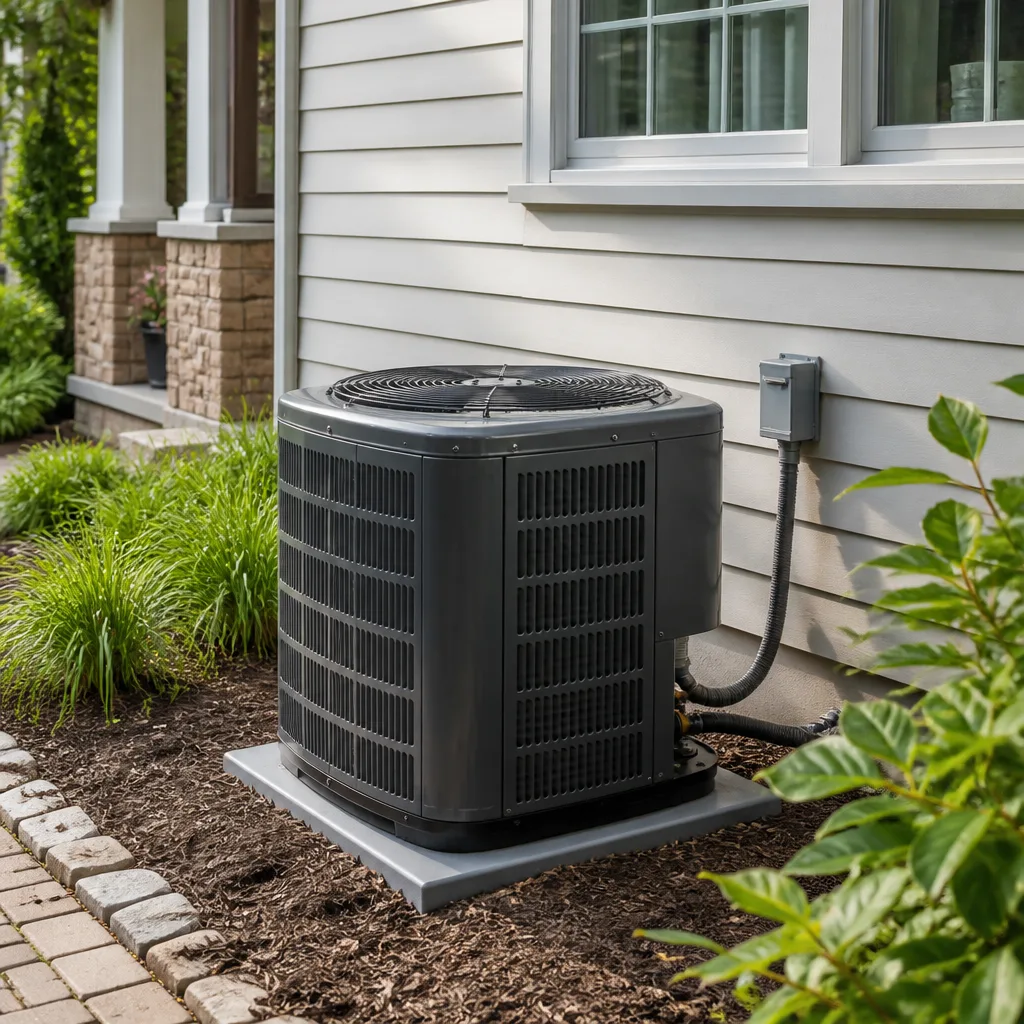 AC repair
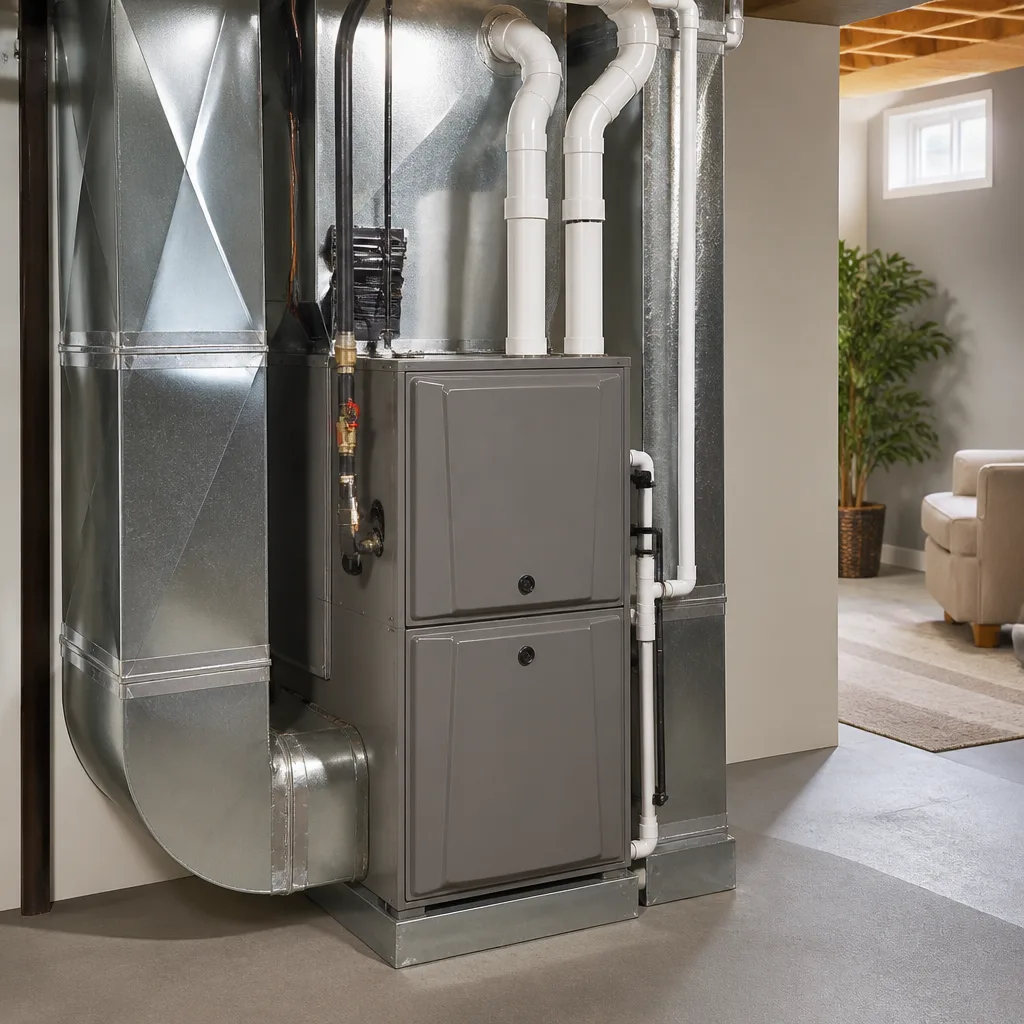 Furnace & heating
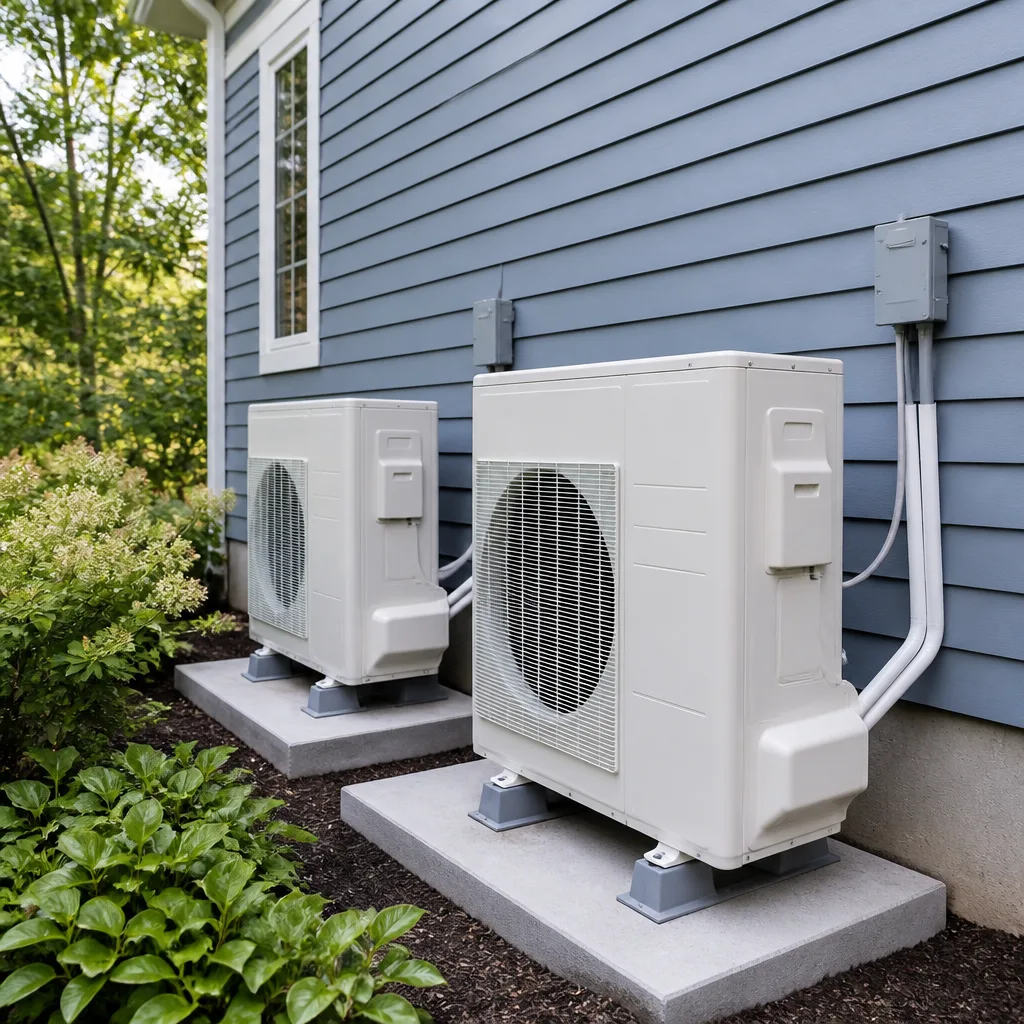 Heat pumps
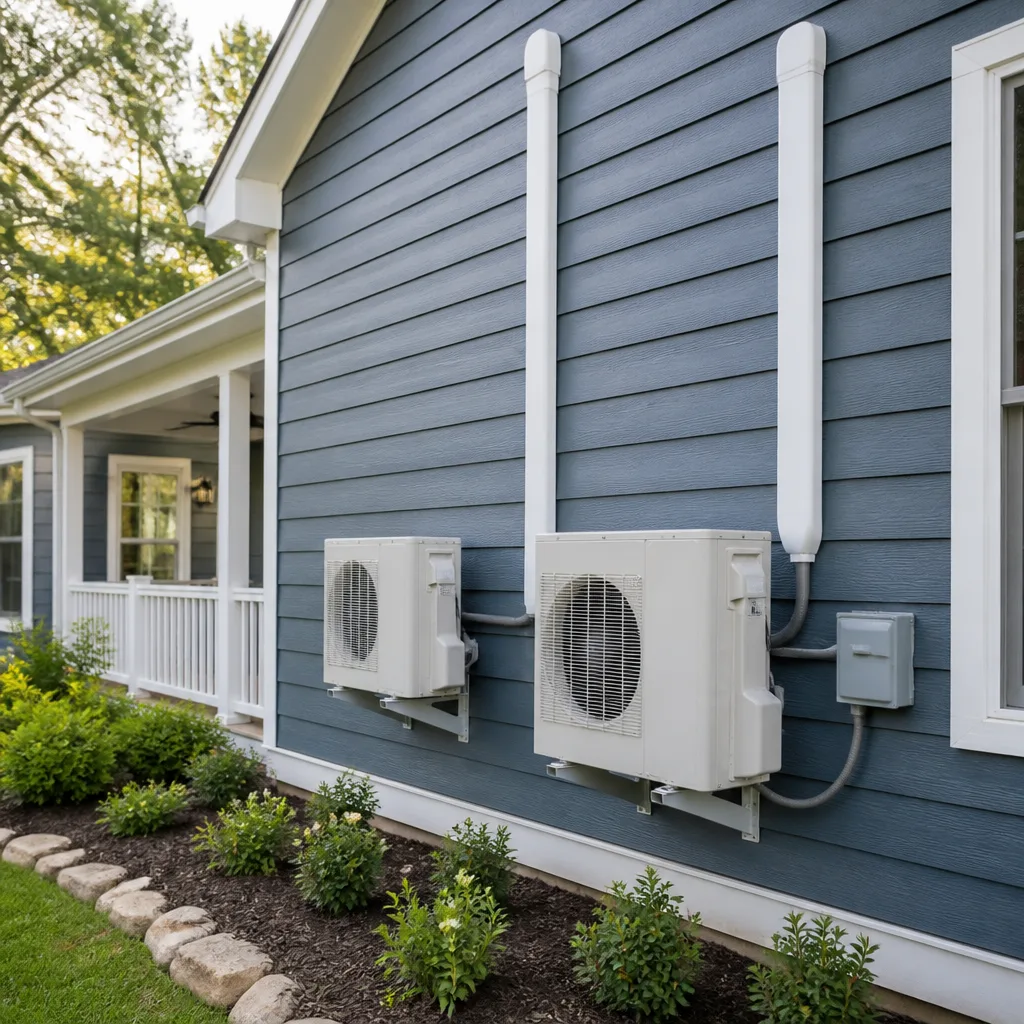 Ductless mini splits
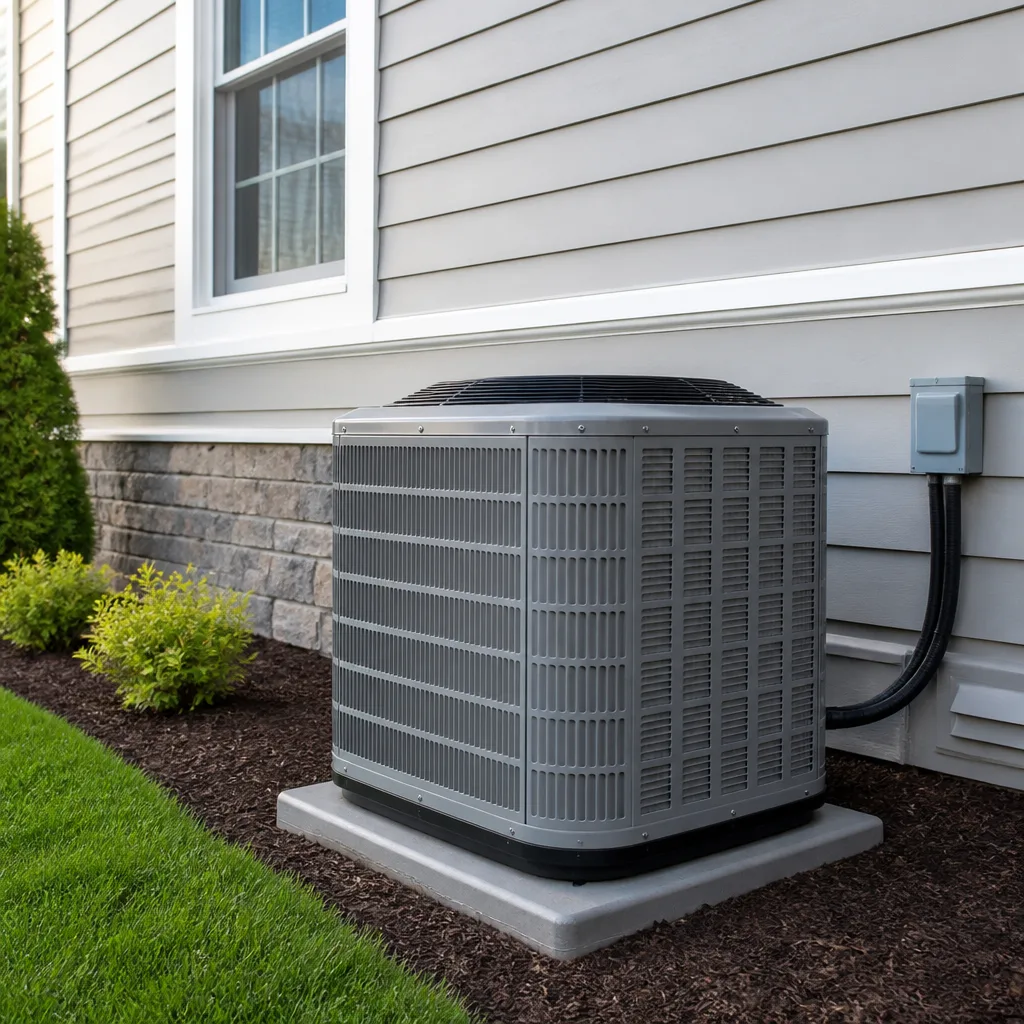 Carrier
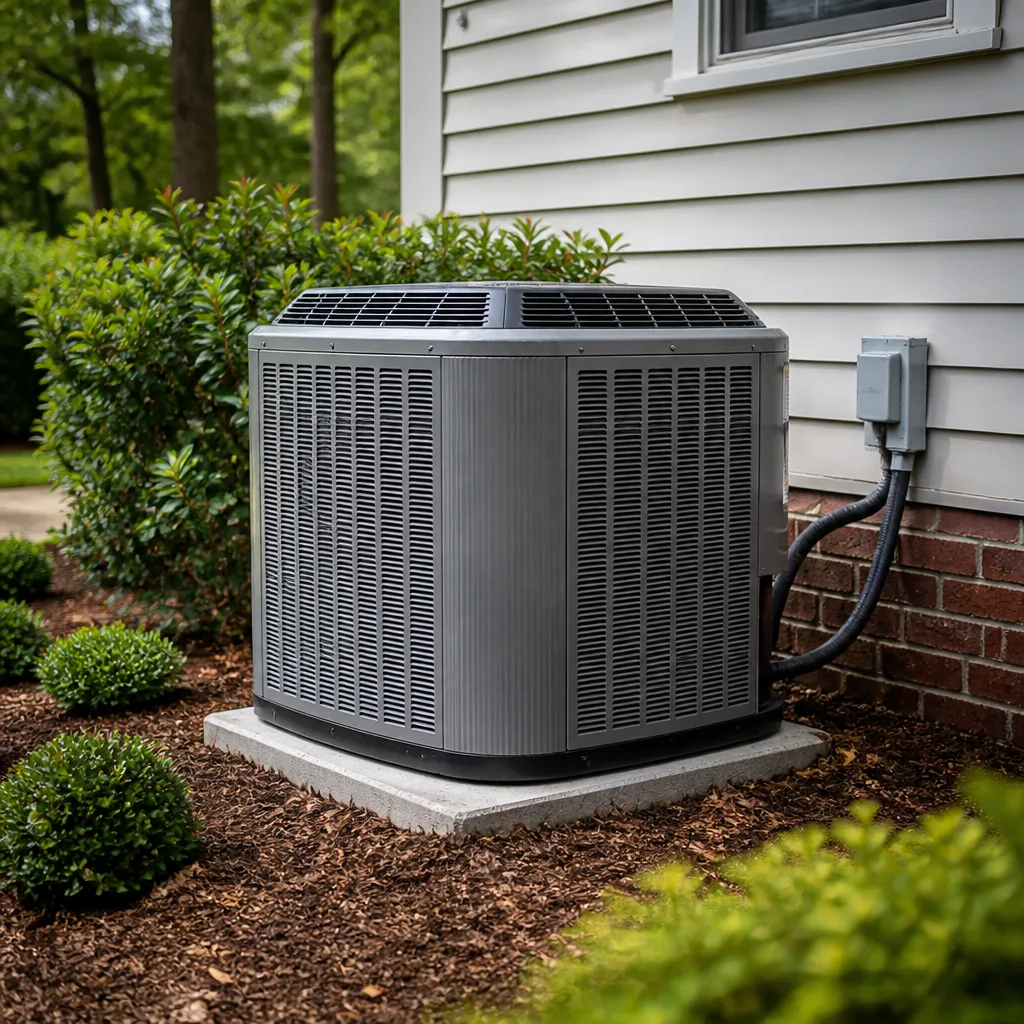 Trane
Trane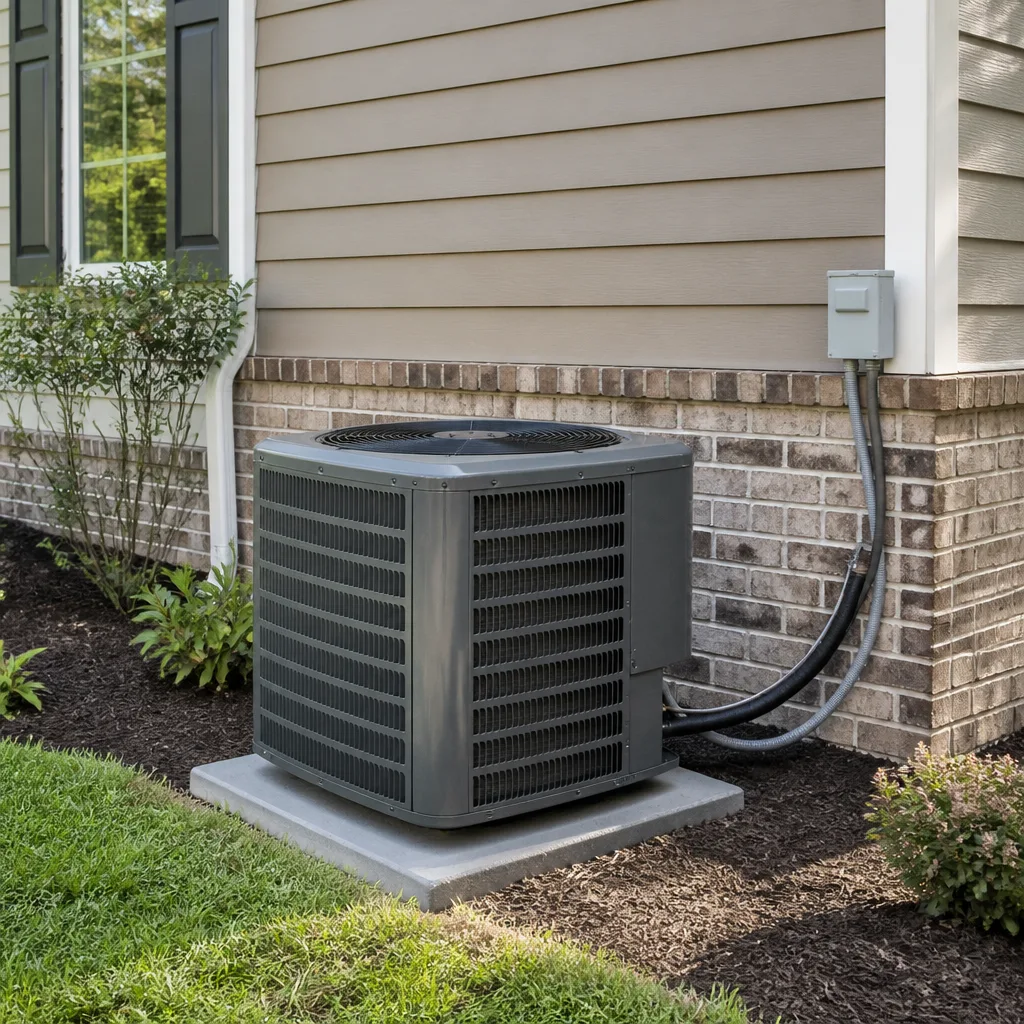 Goodman
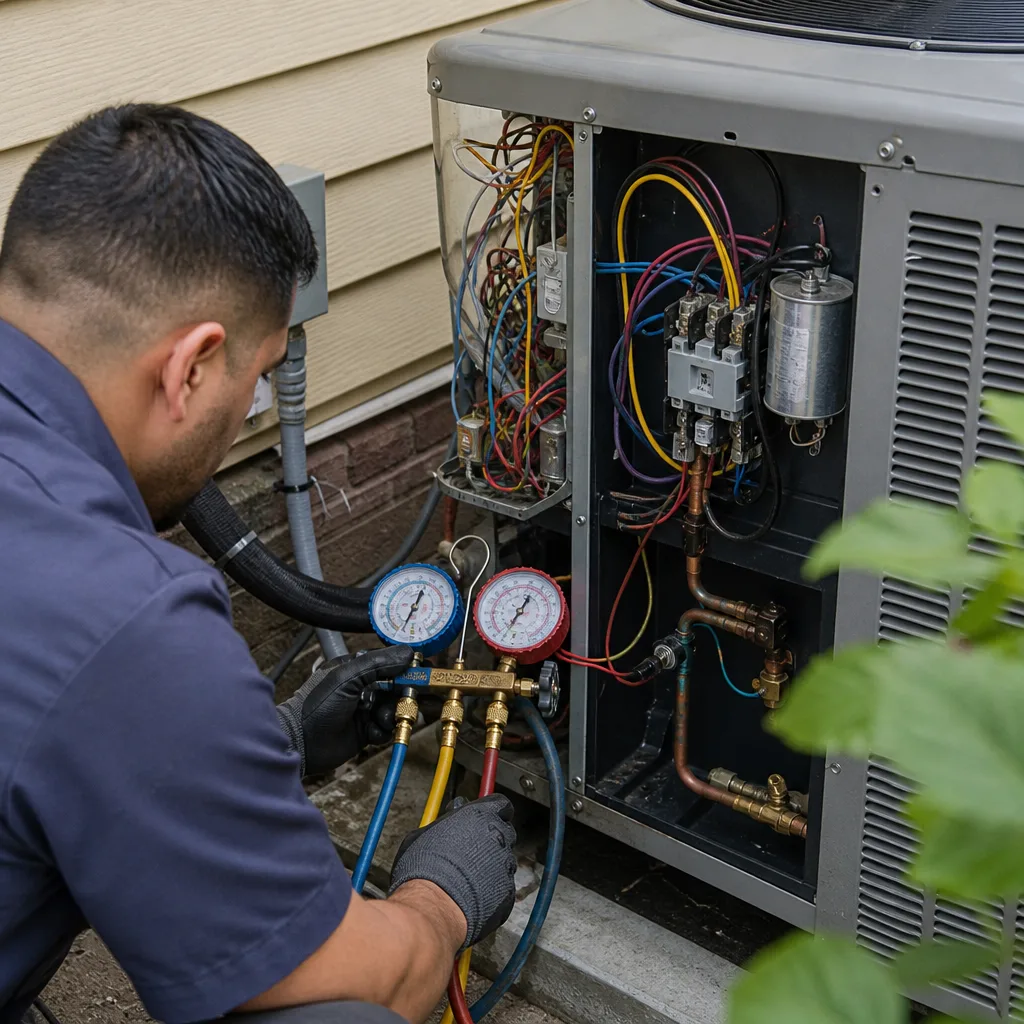
Seasonal tune-up and full diagnostic on your Carrier, Trane, or Goodman system - readings shown to you before any repair is proposed
Diagnosis first, numbers second - you approve the repair price before a single part goes in.
Get your free estimateHVAC Warning Signs: A Brooklyn Homeowner’s Reference Guide
Here’s a strange truth we’ve learned after two decades of service calls across Brooklyn: most homeowners don’t ignore HVAC problems. They report them badly. A high-pitched squeal from a furnace blower and a high-pitched squeal from a failing compressor both get described to contractors as “it’s making a noise.” Same words, completely different repairs, very different costs. This guide exists to close that gap. We’ll walk through what specific sounds, smells, and utility bill patterns actually mean, why brownstone and pre-war building owners in Brooklyn face unique warning signs, and what to document before you pick up the phone so a technician can diagnose the right part on the first visit.
Quick Answer
The most useful HVAC warning signs in Brooklyn are specific, not general: a burning plastic smell near the furnace usually points to an overheating motor or wiring issue, a utility bill spike above 25% with unchanged habits often means a refrigerant leak or failing compressor, and uneven heat between floors in a brownstone typically indicates duct leakage or zoning valve problems. Document the sound, smell, timing, and temperature readings over 48 to 72 hours before calling, using a checklist like our AC Repair Maintenance Checklist for Brooklyn Homeowners. Same-day urgency applies only to a handful of signs: carbon monoxide detector activation, total heat loss when outdoor temperatures drop below 20°F, or a chemical refrigerant odor near children or pets.
Styles & brands we work with
Table of Contents
- Symptom-to-Component: What That Sound Actually Means
- How to Read a Utility Bill Spike as a Diagnostic Tool
- Brooklyn-Specific Warning Signs: Brownstones, Pre-War Buildings, and Duct Systems
- The 72-Hour Observation Window: What to Document Before You Call
- Same-Day Urgency vs. Scheduled Appointment: A Triage Guide
- What Different HVAC Smells Mean in a Brooklyn Home
- Visual Warning Signs Most Homeowners Miss
- Common Mistakes to Avoid
- When to Call a Professional
- Frequently Asked Questions
Symptom-to-Component: What That Sound Actually Means
Every sound an HVAC system makes corresponds to a specific mechanical event. Learning the mapping saves you diagnostic time and often money, because the technician arrives already knowing which part to inspect. In Brooklyn, where many systems sit in tight mechanical closets or basement corners that amplify noise, these sounds travel through walls and floors differently than they do in a suburban garage or attic install. Here’s the breakdown.
Squeals and Screeches
A high-pitched squeal that changes pitch when the blower speeds up or slows down almost always points to a failing blower motor bearing. If the squeal comes from the outdoor condenser unit instead, it’s typically the compressor or fan motor bearing. These are not the same repair. A blower motor replacement in Brooklyn runs roughly $350 to $600 depending on the model, while a condenser fan motor runs $250 to $450. A compressor replacement starts around $1,500 and climbs. That’s why describing the location matters: indoor squeal, outdoor squeal, or both.
Bangs and Booms
A single loud bang when the furnace first fires in the morning is usually delayed ignition, where gas builds up slightly before the igniter catches. Intermittent banging during operation points to expanding and contracting ductwork in older Brooklyn homes where metal ducts run through unheated basements or crawl spaces. Duct banging is rarely dangerous but often fixable with simple bracing or insulation. Delayed ignition is a legitimate safety concern and should be checked the same week you hear it.
Hums That Won’t Stop
A low, constant hum that persists even when the system is off typically comes from a transformer or relay stuck in an energized state. A hum that only occurs during startup and then fades is often a capacitor struggling to deliver the initial voltage surge. Capacitors fail more often during Brooklyn’s humid summer months when motors run constantly. A capacitor replacement is one of the least expensive AC repairs, typically $180 to $300 including diagnosis.
Clicking Patterns
Rapid clicking that never leads to the system starting usually means a failing starter relay or a thermostat that’s lost its calibration. A single click followed by nothing is often the system’s safety limit switch doing its job, shutting down before an overheating condition becomes a fire risk. If you hear one click, then silence, don’t keep resetting the system. Document the time and temperature, then call. For furnace issues in Brooklyn specifically, our Furnace Repair in Brooklyn team has seen repeated reset attempts turn a $200 relay fix into a $900 control board replacement.
How to Read a Utility Bill Spike as a Diagnostic Tool
A utility bill isn’t just a monthly expense. It’s a continuous performance readout for your HVAC system. The trick is knowing what different spike patterns mean. In Brooklyn, where Con Edison rates fluctuate seasonally and many homes share walls that affect heating load, you need to compare usage in therms or kilowatt-hours, not just dollar amounts.
The 20% Threshold
Compare this month’s usage to the same month last year, normalized for weather. If consumption jumped less than 20% with no major lifestyle change, the cause is usually a dirty air filter, a partially blocked condenser coil, or reduced airflow from closed supply vents. These are maintenance issues, typically fixed with a thorough cleaning and tune-up.
The 25% to 40% Spike
This range points to efficiency loss in a major component. A low refrigerant charge, a failing compressor that’s drawing too many amps, or a blower motor running at reduced speed all waste energy at this rate. In our experience across Brooklyn neighborhoods from Bay Ridge to Williamsburg, this is the range where homeowners first notice the problem on paper but not yet in comfort. The system still cools or heats, it just works harder to do it.
The 40%+ Spike
This is almost always a refrigerant leak or a compressor nearing failure. A system with a significant refrigerant leak runs nearly continuously, trying to reach a setpoint it can’t achieve. The outdoor unit may ice over in summer or the indoor coil may freeze. Left unaddressed, this turns a $400 leak repair into a $2,000+ compressor replacement. If your bill shows this pattern during a mild month, treat it as urgent even if the house feels fine.
How to Track It
- Pull the same month from the previous two years for comparison.
- Note any changes in household size, work-from-home patterns, or appliance additions.
- Check your thermostat’s runtime hours if it tracks them, many smart thermostats do.
- If usage is up but runtime isn’t, the system is working. If runtime is up but comfort is down, the system is struggling.
Brooklyn-Specific Warning Signs: Brownstones, Pre-War Buildings, and Duct Systems
Brooklyn’s housing stock creates HVAC warning signs that generic guides never mention. A brownstone on a Park Slope block has completely different failure modes than a converted loft in Bushwick or a single-family home in Marine Park. Understanding these differences helps you know what to watch for before a small issue becomes a structural or health problem.
Uneven Heat Floor-to-Floor
If the parlor floor of your brownstone is noticeably warmer than the garden level or the top floor, that’s not just how old houses work, it’s data. In steam systems, uneven radiators usually mean the air vents are imbalanced or clogged. In forced-air systems, it points to duct leakage in the basement runs or dampers that have shifted over time. The concern isn’t comfort, it’s efficiency. Your system is heating spaces unevenly, which means it’s cycling more often to satisfy a thermostat that only reads one location. This is a fixable problem, usually with damper adjustment, vent replacement, or duct sealing.
Radiator Painting and System Pressure
Brooklyn homeowners love painting radiators to match a room refresh. But a thick coat of paint acts as an insulator, reducing heat output and forcing the boiler to work harder. If you’ve painted radiators in the last year and noticed that room runs cooler, the paint itself may be the warning sign. The fix is repainting with high-temperature radiator paint after stripping, or adjusting the balance elsewhere in the system.
Shared Wall Condensation
In attached brownstones and rowhouses, a cold wall between two homes can create condensation on the interior side during humid summers. If you notice moisture near the wall where your home meets a neighbor’s, that’s often a sign that your cooling system is oversized or that you’re overcooling. Oversized systems short-cycle, which means they don’t run long enough to dehumidify properly. The symptom is a cold, clammy feeling and the long-term risk is mold within the wall cavity.
Window AC Supplements
Many Brooklyn buildings supplement central systems with window units. If you find yourself running a window AC in a room that has a central supply vent, that’s a system warning sign in itself. It means the central system isn’t delivering adequate airflow to that zone, likely due to a closed damper, a collapsed flex duct, or a unit that’s undersized for the space. Rather than accepting the window unit as normal, document which rooms need supplemental cooling and mention it when you schedule service.
The 72-Hour Observation Window: What to Document Before You Call
The difference between a service call that ends in “couldn’t reproduce the issue” and one that ends with a fixed system often comes down to what the homeowner documented in the 72 hours before the technician arrived. Here’s a systematic approach that costs you nothing but delivers real diagnostic value.
What to Write Down
- Time of day: HVAC problems often present at specific times, first thing in the morning, late afternoon, overnight. A compressor that struggles at 3 PM but works fine at 9 PM is a different problem than one that’s consistent.
- Outdoor temperature: Note the outside temp each time you observe the issue. Some failures only appear below freezing or above 85°F.
- Thermostat reading vs. actual room temp: If your thermostat says 72°F but a room thermometer says 66°F, that’s a calibration or airflow issue, not a mystery.
- Sound timing: Does the sound occur at startup, shutdown, or continuously? Different failure modes have different timing signatures.
- Smell duration: Did the smell appear once and fade, or does it return each cycle? A one-time burning dust smell is normal after summer. A recurring burning plastic smell is not.
- Runtime: If your system runs 90 minutes without hitting the setpoint, that’s the single most useful data point a technician can receive.
Why This Matters for Cost
Technicians in Brooklyn charge for diagnostic time. The faster we can pinpoint the likely cause, the less time you pay for. A homeowner who says “it smells like burning plastic when the heat first kicks on in the morning, but only when it’s below 30°F outside, and the smell goes away after about ten minutes” gives us a roadmap. A homeowner who says “something’s wrong” gives us a scavenger hunt. Same service call, different labor bill.
Same-Day Urgency vs. Scheduled Appointment: A Triage Guide
Not every warning sign warrants dropping everything and calling at 2 AM. But some do. Here’s the honest triage, from a Brooklyn HVAC company that has answered these calls at every hour.
Call Immediately, Same-Day or Overnight
- Carbon monoxide detector has activated and you’ve already evacuated and ventilated. Do not re-enter until the source is identified. This is not a drill.
- Total loss of heat when outdoor temp is below 20°F. Pipes freeze, children and elderly family members are at real risk. This is a health emergency, not an inconvenience.
- Chemical refrigerant odor near children or pets. A refrigerant leak isn’t just an efficiency problem, it’s a chemical exposure concern. The piquant, sweet smell of refrigerant near a playroom or pet area warrants immediate attention.
- Visible smoke or flames from any HVAC component. Shut off the system at the breaker or emergency switch and call.
Schedule Within the Week
- Utility bill spike of 25% or more with no comfort change.
- Recurring burning plastic smell that appears only at startup.
- Uneven heating or cooling between floors or rooms.
- Short cycling, where the system turns on and off every few minutes.
- Any new persistent sound you can consistently reproduce.
Schedule at Your Convenience
- Seasonal maintenance or tune-up before summer or winter.
- Minor duct noise you’ve lived with for months.
- Thermostat calibration checks.
For urgent calls, AC Repair in Brooklyn is available around the clock. A live person answers, not a voicemail tree. If you’re unsure whether your situation is urgent, call anyway and describe it. We’ll tell you honestly whether it can wait.
What Different HVAC Smells Mean in a Brooklyn Home
Smells are the warning sign homeowners most often dismiss. Here’s the specific mapping, because “musty” and “burning” and “sulfur” are all completely different problems.
Burning Dust Smell, First Heat of the Season
This is normal. Dust settles on the heat exchanger during the off-season, and the first firing burns it off. The smell should disappear within an hour or two. If it persists beyond one full day of operation, it’s not dust.
Burning Plastic or Electrical Smell
This indicates overheating wiring, a failing capacitor, or a motor drawing too many amps. It’s more common in older Brooklyn homes where electrical panels may be original to the building and undersized for modern HVAC loads. Treat this as a same-week priority, not a same-day emergency unless the smell is strong enough to detect from another room.
Sulfur or Rotten Egg Smell
Natural gas has no odor on its own. The sulfur smell is added as a safety measure. If you smell it near a furnace, boiler, or gas line, leave the house and call your gas utility from outside, then call us. This is the one smell that should always trigger immediate action, no exceptions.
Musty or Dirty Sock Smell
This is microbial growth on the evaporator coil or in the condensate drain pan. It’s more common in Brooklyn homes that use window AC units for half the year, because the central system sits dormant and damp. The smell usually appears when the AC first starts in late spring. The fix involves cleaning the coil and treating the drain line, not just masking the odor.
Sweet or Chloroform-Like Smell
This is refrigerant. A properly sealed system should never release refrigerant into your home. If you smell this near an indoor air handler, a coil has developed a leak. Refrigerant leaks reduce cooling capacity and, depending on the refrigerant type, can be a health concern. This warrants same-day attention, especially in homes with children or pets.
Visual Warning Signs Most Homeowners Miss
Some of the most useful diagnostic information never makes a sound at all. Here’s what to look for, including several signs specific to Brooklyn’s housing stock.
Ice on the Outdoor Unit in Summer
An outdoor condenser unit covered in ice on a hot Brooklyn afternoon is not “working extra hard.” It’s a refrigerant problem or an airflow blockage. Ice indicates the coil temperature has dropped below freezing, which means the refrigerant charge is low or the airflow across the coil is restricted. This is a paradox that confuses homeowners: the system is actually cooling less effectively while simultaneously freezing over.
Water Stains on Ceilings Below the Air Handler
In many Brooklyn homes, the air handler sits in a closet on an upper floor. Water stains on the ceiling directly below that closet mean the condensate drain line is clogged and water is overflowing the drain pan. This is a maintenance fix, but the ceiling repair is not. Catch the stain early and the cost is a drain line cleaning.
Dust Accumulation Around Supply Vents
Dark streaks or dust buildup specifically around supply vents, not return grilles, indicate duct leakage. Leaky ducts pull unfiltered air from wall cavities and crawl spaces, then push it through the vents along with whatever dust and debris was in those spaces. For Brooklyn homes with ducts running through old, unsealed basements, this is a common finding.
Rust on Radiator Valves
In steam or hot water systems, rust on valve stems or around pipe joints indicates a slow leak. Even a small leak introduces fresh water into the system, which brings dissolved oxygen that accelerates internal corrosion. A rusty valve is a $40 part. A corroded heat exchanger is a boiler replacement.
Condensation on Windows in Heating Season
Heavy condensation on interior windows during winter often points to a humidity imbalance created by an oversized furnace. Oversized systems heat the air too quickly and shut off before the thermostat registers proper humidity levels. The visible symptom is steamed-up windows. The invisible symptom is dry air that aggravates skin, sinuses, and wood floors.
Common Mistakes to Avoid
- Resetting a tripped breaker or limit switch repeatedly. The switch tripped for a reason. If the system won’t stay running, each reset attempt risks additional component damage. Call for a diagnosis instead.
- Ignoring a utility bill spike because “summer was hot.” Compare usage, not cost. Rate changes mask efficiency losses. A heat wave explains a 15% increase, not a 40% one.
- Closing supply vents in unused rooms. In a forced-air Brooklyn home, closing vents increases static pressure in the duct system, which strains the blower motor and can cause duct leaks at existing weak points. It rarely saves meaningful energy.
- Painting over radiators with standard wall paint. Standard paint insulates the radiator and reduces heat output. If you must paint, use high-temperature radiator paint and strip the old coating first.
- Running a window AC in a room with a working central vent. This masks the fact that your central system isn’t delivering. You’re paying twice to cool one room while the underlying airflow problem goes unaddressed.
- Describing “a noise” without location or timing. Indoor vs. outdoor, startup vs. shutdown, consistent vs. intermittent. These details are worth their weight in reduced diagnostic labor.
- Waiting until the first cold snap to test the furnace. Brooklyn’s first real cold snap generates a service call surge. Systems that were limping through mild weather fail completely when asked to hold 35°F against an 18°F outdoor temp. Test your heat in October, not December.
When to Call a Professional
Call when you’ve documented a specific sign and want a diagnosis. Call when the system hasn’t run in over 24 hours. Call when your carbon monoxide detector activates. Call when refrigerant smell enters your living space. Call when a kid’s bedroom is 10 degrees colder than the rest of the house. Call when your gut says something changed, even if you can’t name it. Meadowsweet Heating and Air Brooklyn home offers free estimates across Brooklyn, and every visit includes a written price before any work starts. There’s no charge to have a technician look and tell you honestly what’s wrong, even if the answer is nothing. Call (315) 873-2984.
Frequently Asked Questions
Total heat loss below 20°F outside, carbon monoxide detector activation, visible smoke or flames, or a chemical refrigerant smell in living spaces all qualify as emergencies. Anything else, including most strange sounds, utility bill spikes, and uneven heating, can wait for a scheduled appointment within the week.
Heat rises, but the gap shouldn’t be dramatic. A 2°F to 3°F difference is normal in a multi-story home. A 8°F to 10°F difference points to duct leakage in the basement runs, damper positions that have shifted over time, or an undersized system. In brownstones with steam heat, it’s usually a radiator vent imbalance.
Diagnostic visits in Brooklyn typically run $89 to $149 depending on the company and the day of the week. At Meadowsweet Heating and Air, the diagnostic is applied toward the repair if you proceed with the work. Always ask how the diagnostic fee is handled before the technician arrives.
A failing compressor often makes a loud hum followed by a click, or a high-pitched squeal from the outdoor unit. It may also trip its breaker repeatedly. A compressor that’s still running but struggling will show up on your electric bill before you hear anything at all. If your bill spiked 30% or more with no comfort change, have the compressor checked.
You can rinse the outdoor condenser coil with a garden hose once a month during cooling season, power off first, and that’s good preventive care. Indoor evaporator coils are a different matter. They require opening the air handler, and a homeowner working without training risks bending the delicate aluminum fins, damaging the drain pan, or voiding a manufacturer warranty.
We service nine leading equipment brands, including Carrier, Trane, Lennox, Goodman, Rheem, York, Daikin, Bryant, and American Standard. Whether you have a Goodman furnace in a Midwood bungalow or a Lennox heat pump in a Williamsburg loft, our technicians are qualified to diagnose and repair it.
The Bottom Line
Your HVAC system talks constantly, through sounds, smells, utility bills, and visual cues. The skill is in learning to translate what it’s saying before the message becomes a full system failure. Brooklyn’s housing stock adds its own layer of complexity, from brownstone radiator balancing to pre-war duct leakage. Document what you observe over 72 hours, know which signs demand same-day action, and don’t reset breakers or ignore bill spikes. For more guides & resources, explore our blog, and when you’re ready to have a professional look, someone is always available to answer, 24 hours a day, at (315) 873-2984. The estimate is free, the price is written before work starts, and the 365-Day Done Right Promise backs every job.
Written by Luis Serrano, Owner at Meadowsweet Heating and Air Brooklyn, serving Brooklyn since 2004.
See the difference
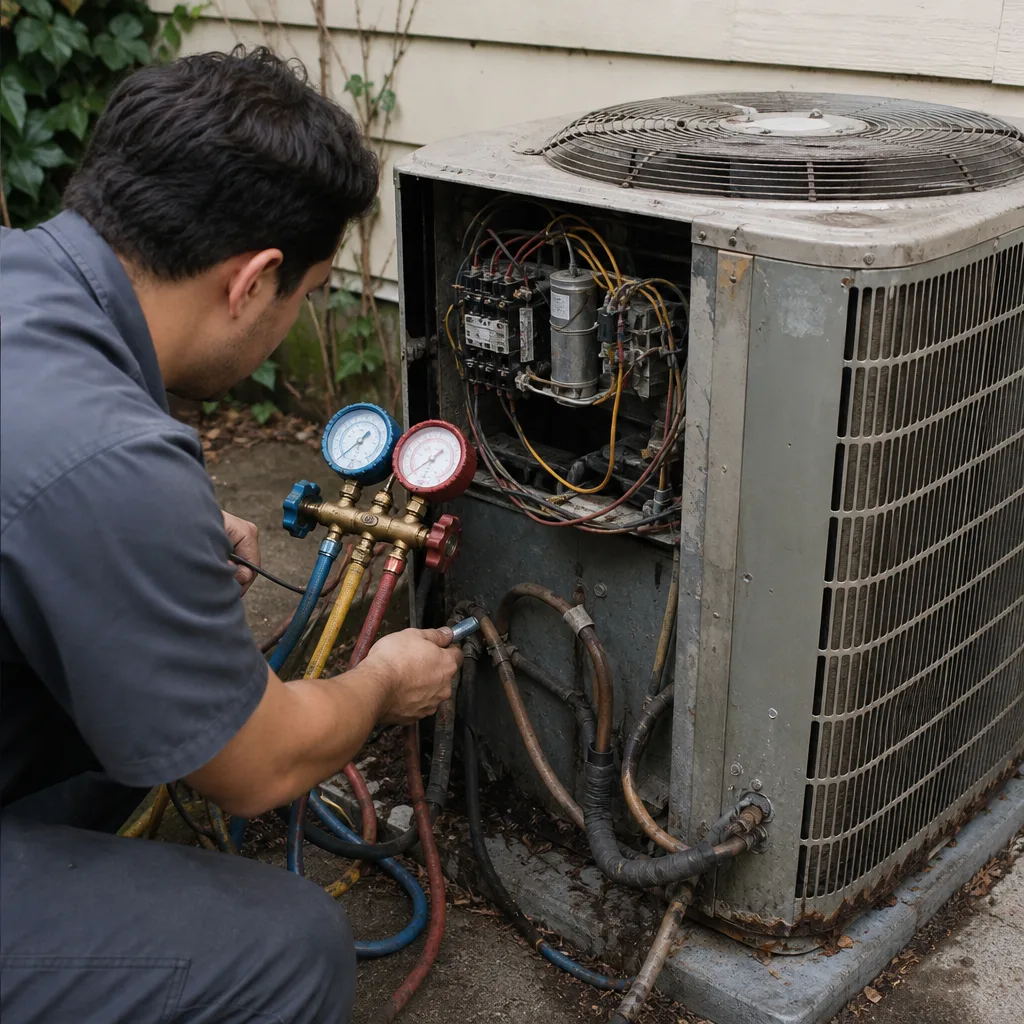 Before
 After
After Before
 After
After Before
 After
After