
Last updated October 16, 2026
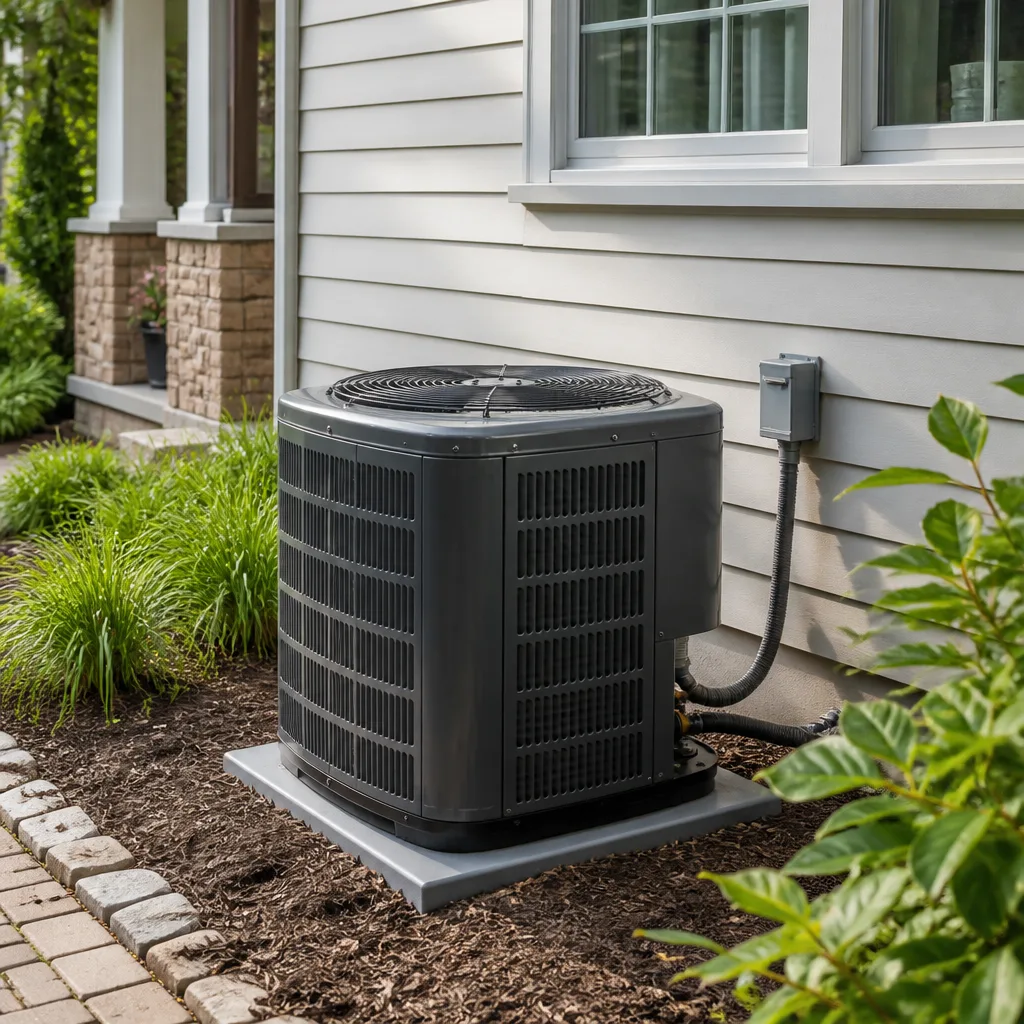 AC repair
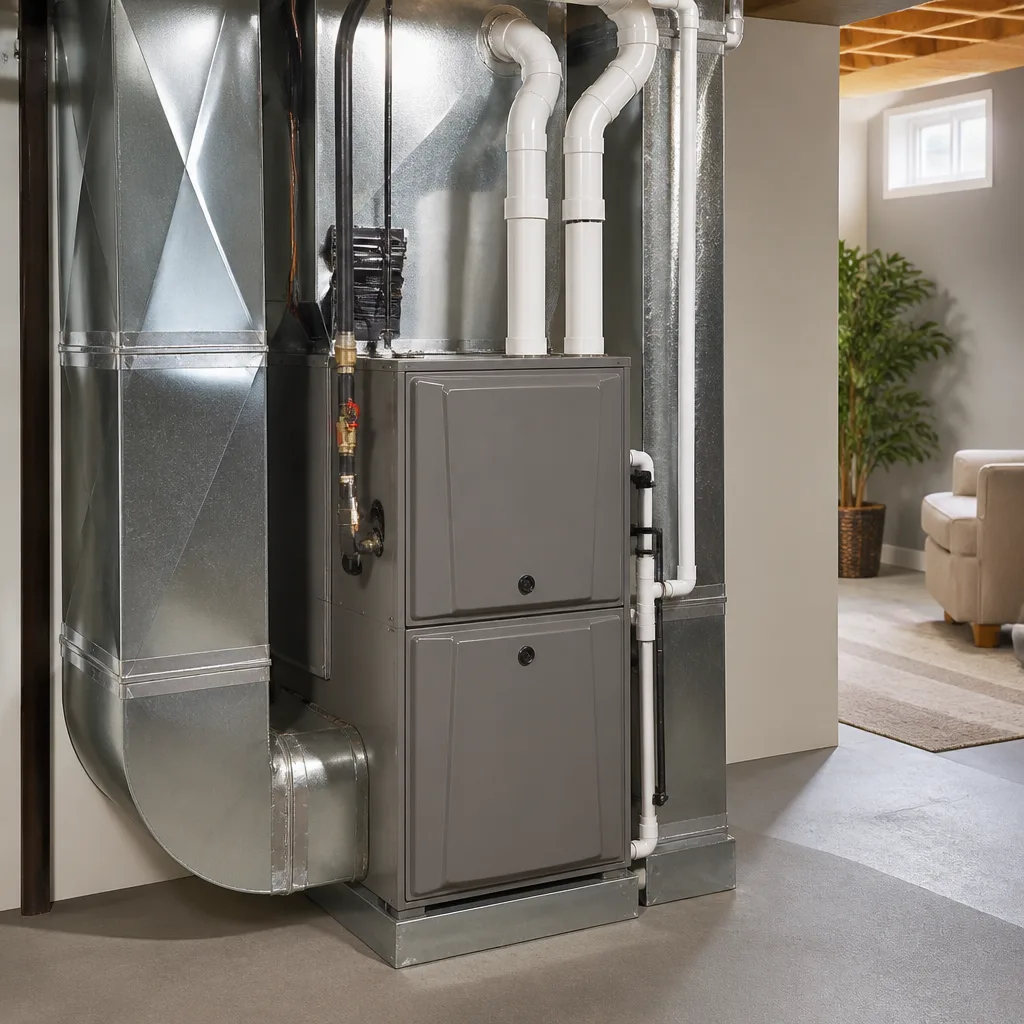 Furnace & heating
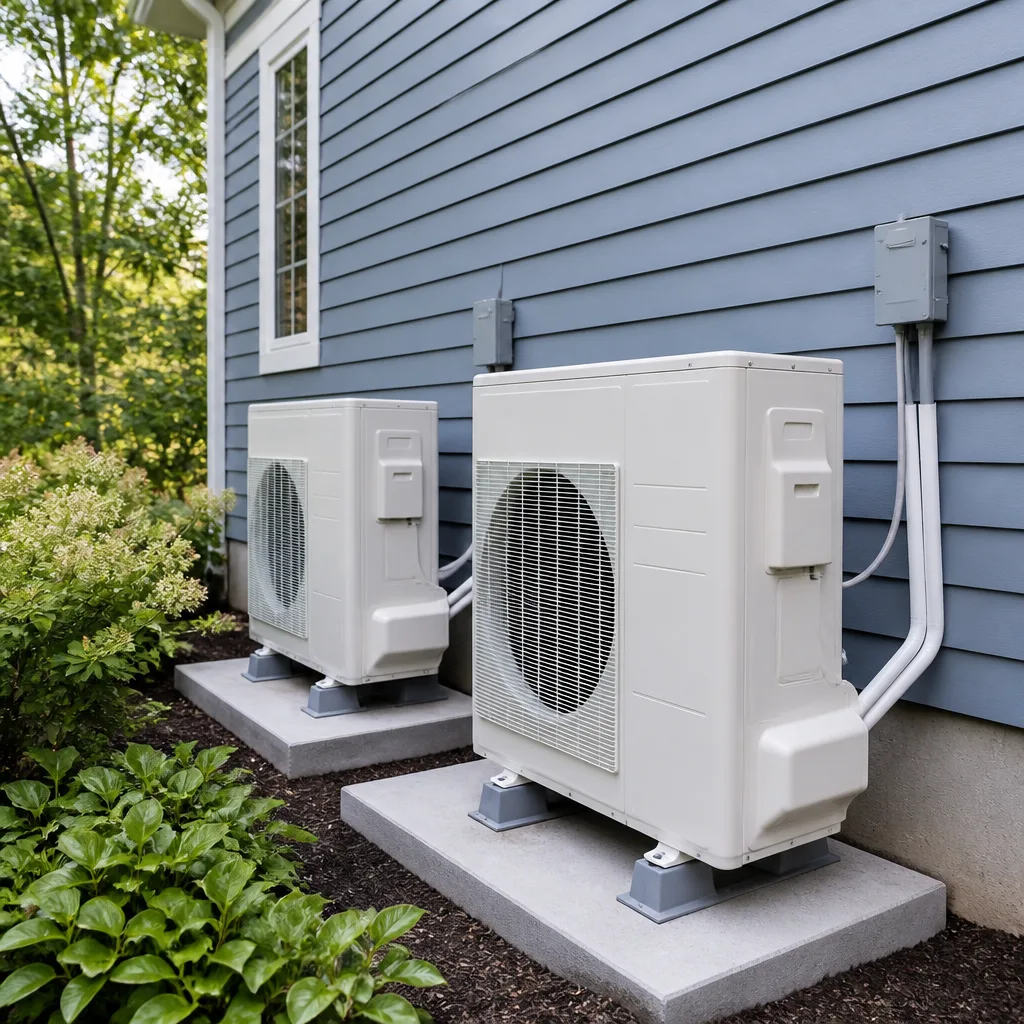 Heat pumps
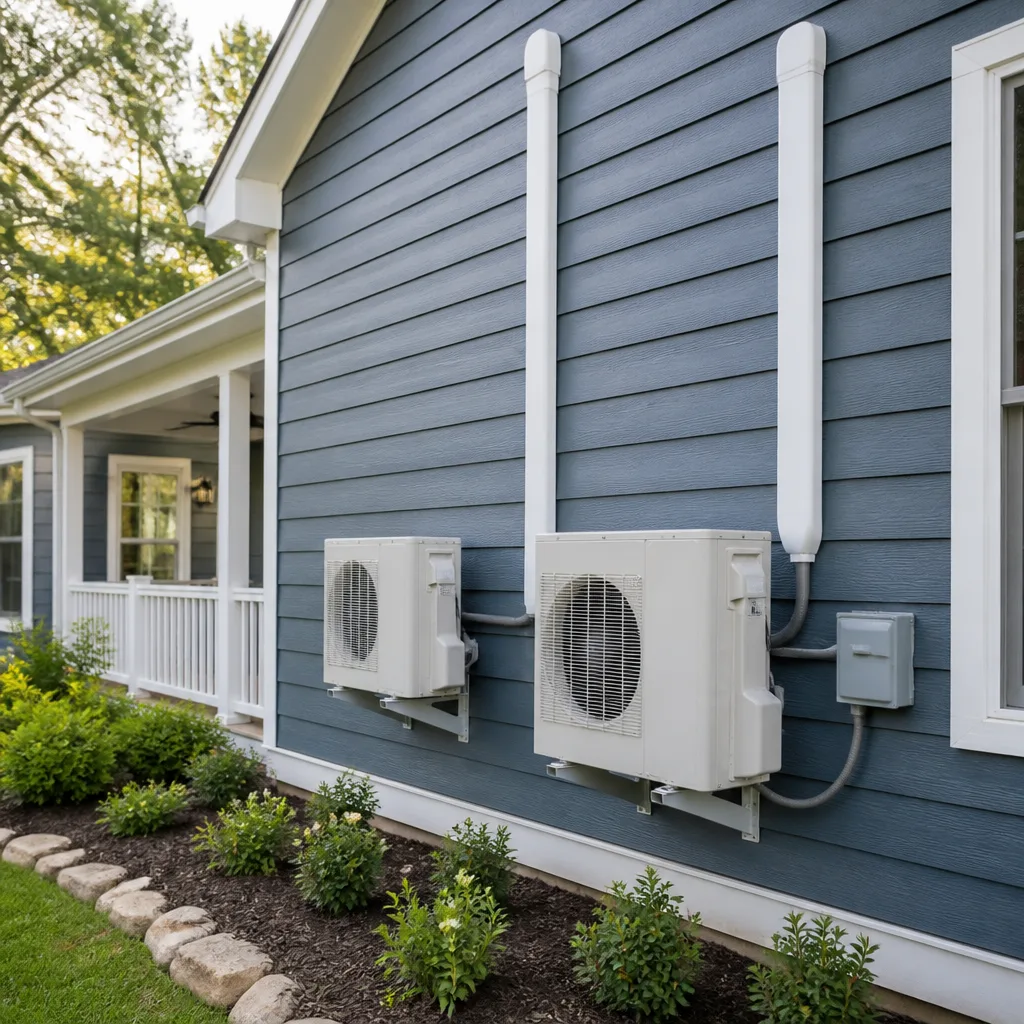 Ductless mini splits
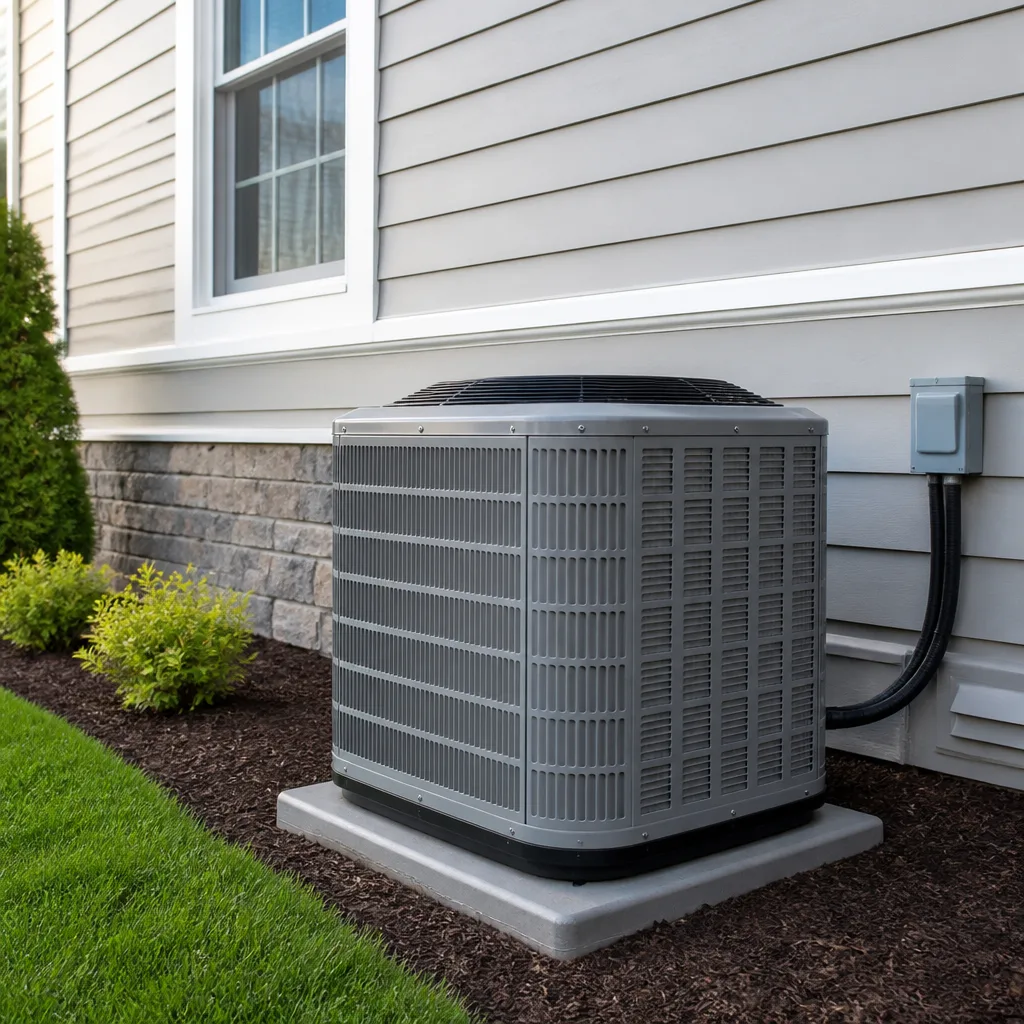 Carrier
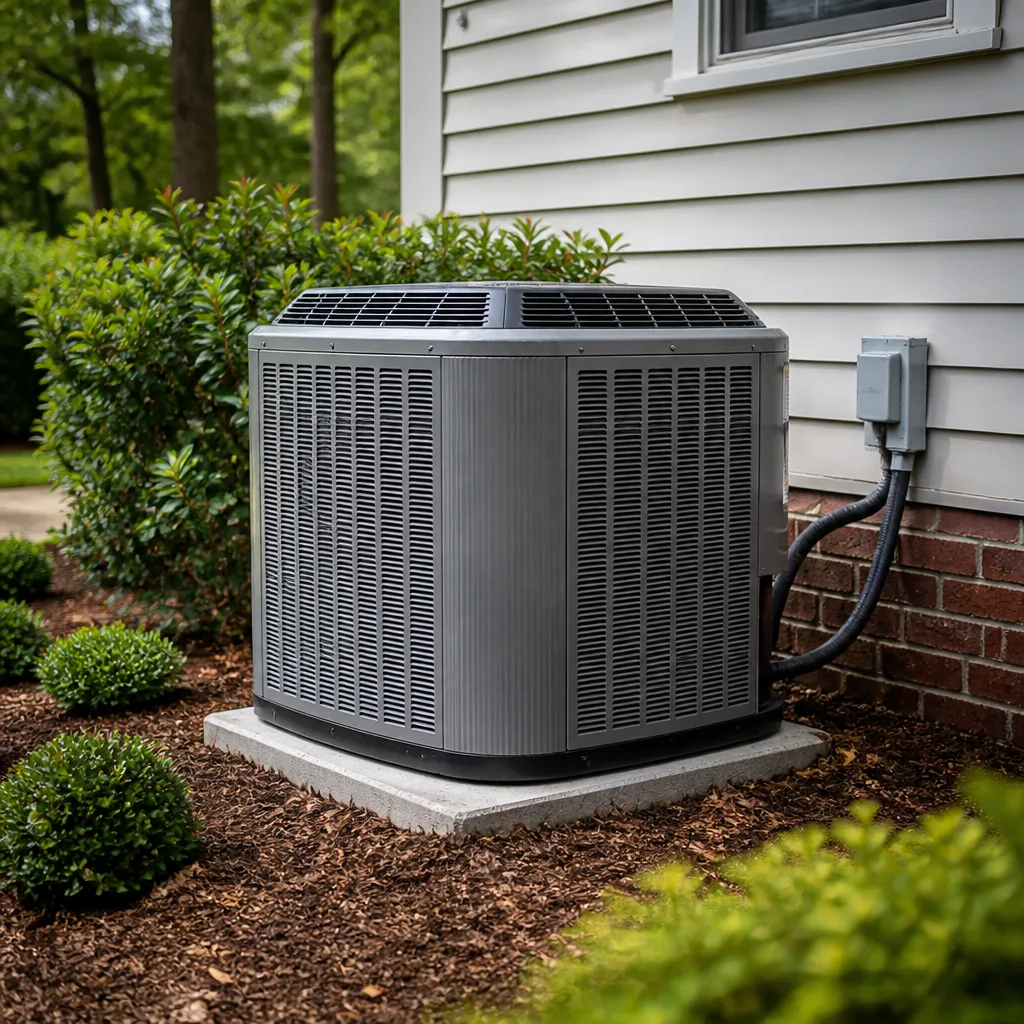 Trane
Trane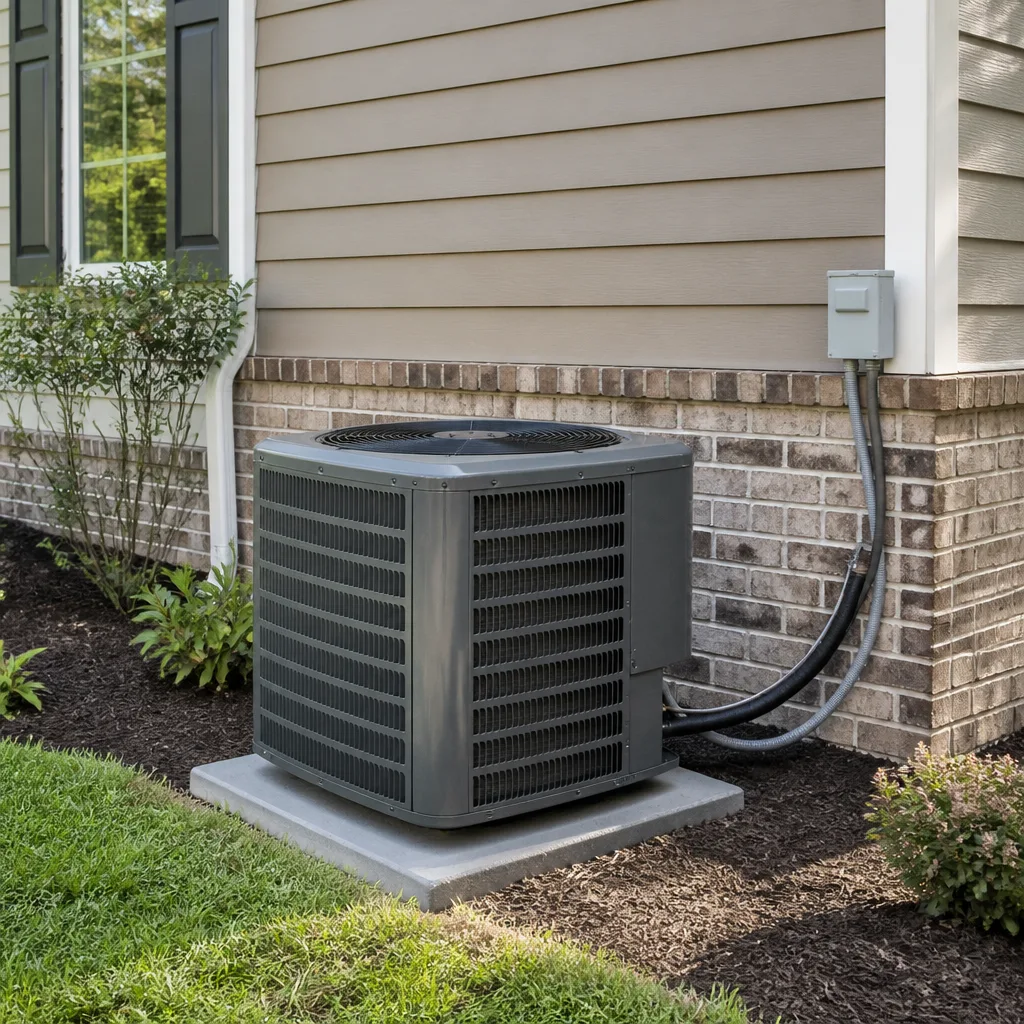 Goodman
Seasonal tune-up and full diagnostic on your Carrier, Trane, or Goodman system - readings shown to you before any repair is proposed
Diagnosis first, numbers second - you approve the repair price before a single part goes in.
Get your free estimateSeasonal HVAC Care for Brooklyn: Year-Round Homeowner’s Guide
In Brooklyn, the heating season and the cooling season overlap in ways that surprise new homeowners and even some long-time renters: it’s not uncommon to run the heat on a damp April morning, then reach for the AC by that same afternoon. That shoulder-season swing is exactly when mixed-mode failures reveal deferred maintenance, when a reversing valve sticks or a condensate line backs up because no one looked at either system for months. This guide walks you through a month-by-month rhythm for HVAC care that matches Brooklyn’s actual weather patterns, including the often-overlooked March and October transition windows, so you can protect your floors, your indoor air, and your equipment without guessing. For a broader overview, see our The Complete Guide to HVAC in Brooklyn. You’ll learn what tasks matter each month, what you can handle yourself, when to call for backup, and how to keep a heating and cooling system healthy in a borough where summer humidity runs deep and nor’easters don’t check the calendar.
Styles & brands we work with
Quick Answer
Seasonal HVAC care in Brooklyn works best as a month-by-month rhythm rather than a spring/fall checklist: replace or clean air filters every 30 – 60 days year round, schedule a cooling system check in March before humidity arrives, schedule a heating system check in September before the first cold snap, and pay special attention to the April and October shoulder months when systems switch between heating and cooling. Plan to spend roughly $120 – $220 per seasonal tune-up in Brooklyn, and expect to handle condensate line clearing, outdoor unit cleaning, and thermostat setting adjustments on your own between professional visits. Not sure what to tackle yourself? Read our DIY vs Professional HVAC: The Brooklyn Homeowner’s Decision Guide. The two most expensive mistakes Brooklyn homeowners make are skipping the March cooling check and running an oversized AC unit that cools fast but never removes enough humidity.
Table of Contents
- Brooklyn’s Climate Reality: Why the Four-Season Model Fails Here
- March: The Cooling Wake-Up Window
- April: Managing the Heating-Cooling Overlap
- May Through August: Humidity, Dew Points, and Sizing
- October: The Second Overlap Window
- The Pre-Nor’easter Checklist
- Month-by-Month Task Calendar
- Owner-Occupied vs. Rental: How Care Changes
- Common Mistakes to Avoid
- When to Call a Professional
- Frequently Asked Questions
- The Bottom Line
Before we get into the month-by-month breakdown, there’s something about how we work at Meadowsweet Heating and Air Brooklyn home that shapes the advice below: we believe a seasonal care plan is only as good as what it protects. Floors, sleeping kids, pets, indoor air. Every recommendation in this guide is tied to something concrete in your house, not just equipment longevity. We’re part of the Cedarwell family of HVAC companies, founded in 2004, and our crew works under the Cedarwell Care Promise: a written price before any work starts, shoe covers and drop cloths on every visit, and a photo of the clean-up before the crew leaves. That’s the standard we hold every seasonal visit to.
Brooklyn’s Climate Reality: Why the Four-Season Model Fails Here
Most HVAC care guides assume four seasons that arrive and depart on schedule. Brooklyn does not cooperate. The borough sits on the western edge of Long Island, ringed by water on three sides. That geography does two things to HVAC systems. First, it moderates early-winter cold and early-summer heat, which sounds nice but actually creates long transition periods where neither system runs long enough to burn off moisture. Second, it feeds summer humidity: air coming off the Atlantic carries dew points in the mid-60s to mid-70s Fahrenheit from June through early September, and those dew points linger into October more often than transplanted residents expect.
In our experience across Brooklyn neighborhoods like Park Slope, Bay Ridge, and Flatbush, the real HVAC calendar has six phases: a cold stretch from late December through February, a wet and mild March, an unpredictable April shoulder, a humid stretch from May through September, an October shoulder that repeats April’s confusion, and a dry cool-down in November before the December freeze. Within that, heating and cooling overlap for roughly eight to ten weeks per year, concentrated in April and October. That overlap is where systems reveal their deferred maintenance.
Here’s the thing about mixed-mode operation: when a heat pump or central AC and furnace share an air handler, the equipment has to switch between heating and cooling modes cleanly. If a reversing valve is slow, a capacitor is weak, or a condensate drain has a partial clog, the switchover is exactly when it fails. Homeowners often describe it as “the heat worked this morning and now nothing,” or “the AC kicks on but the air feels sticky.” Neither is a coincidence. Both are shoulder-season failures with mechanical causes that a March or September check catches early.
Brooklyn’s housing stock adds another layer: many homes in the borough were built between 1900 and 1940, and plenty have radiators or older ductwork retrofitted for central air. Seasonal care for those homes looks different than for newer construction. We’ll touch on that in the rental and owner-occupied section below.
March: The Cooling Wake-Up Window
March in Brooklyn is wet, gray, and usually in the 40s and 50s, but it’s also the single most important month for cooling system care. For a detailed task list, download our AC Repair Maintenance Checklist for Brooklyn Homeowners. Here’s the counterintuitive reason: cooling failures don’t happen in July because something broke in July. They happen in July because something was already wrong in March, and the system sat idle for two months while a slow leak or a clogged drain got worse. By the time a homeowner notices, the part needs replacing and the temperature is 92°F with a three-day wait for repair appointments.
What should happen in March, before the first heat wave:
- Clear the outdoor condenser area. Over the winter, leaves, salt residue from snow removal, and wind-blown debris collect around the unit. Clear a two-foot perimeter on all sides. In Brooklyn, where condensers often sit in narrow side yards or on roof decks, that perimeter matters more than in the suburbs because airflow is already restricted by buildings.
- Check the condensate drain. Pour a cup of white vinegar down the condensate drain line serving the indoor air handler. If it drains slowly, call a professional; a clogged line causes water to back up and spill onto floors, which is a fast way to damage hardwood or soak a basement carpet.
- Test the system in cooling mode for 15 minutes. Set the thermostat to “cool” and run it for 15 minutes, even if it’s only 55°F outside. Listen for strange sounds, feel the air, and confirm the outdoor unit is blowing warm air out the top. This single test catches most failures that would otherwise wait until July.
- Replace the filter. If you haven’t replaced it since January, do it now. A clogged filter stresses the blower motor and reduces airflow, which makes the whole system work harder through the humid summer ahead.
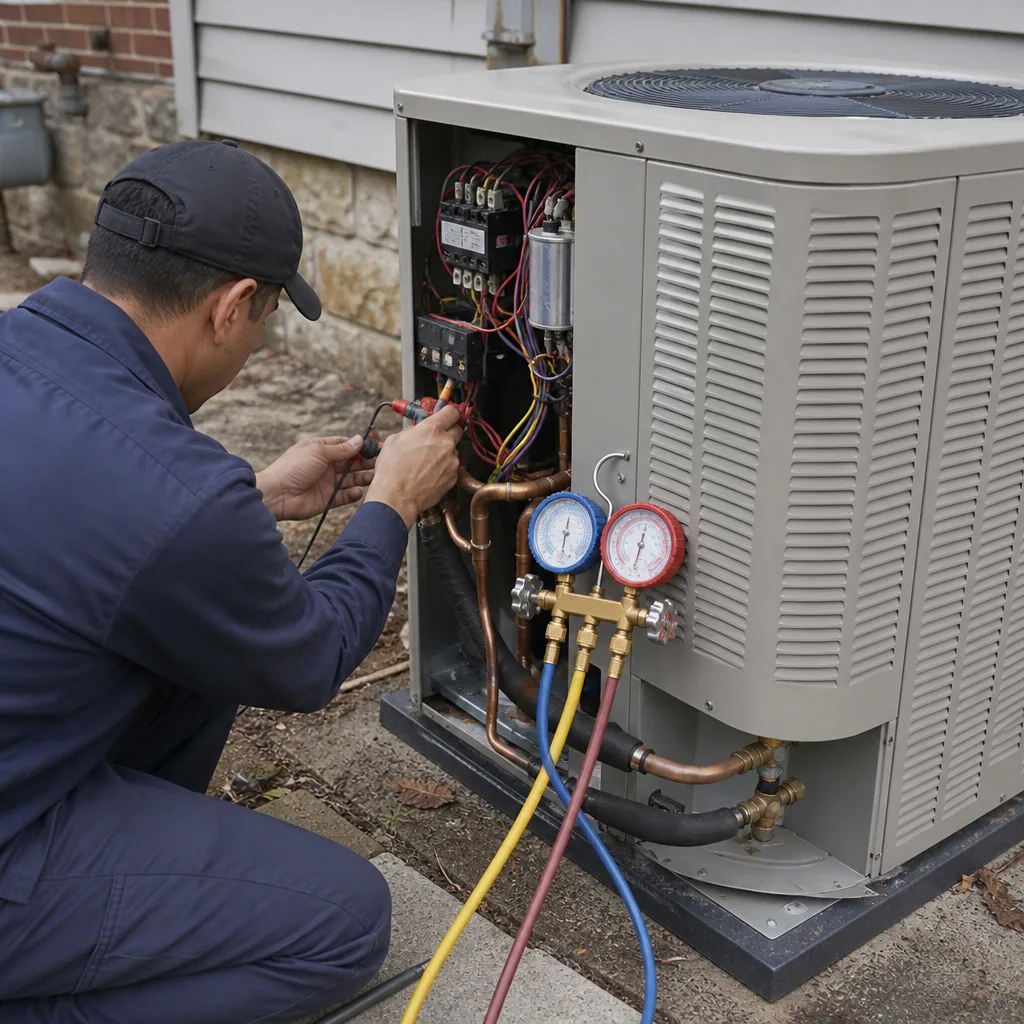
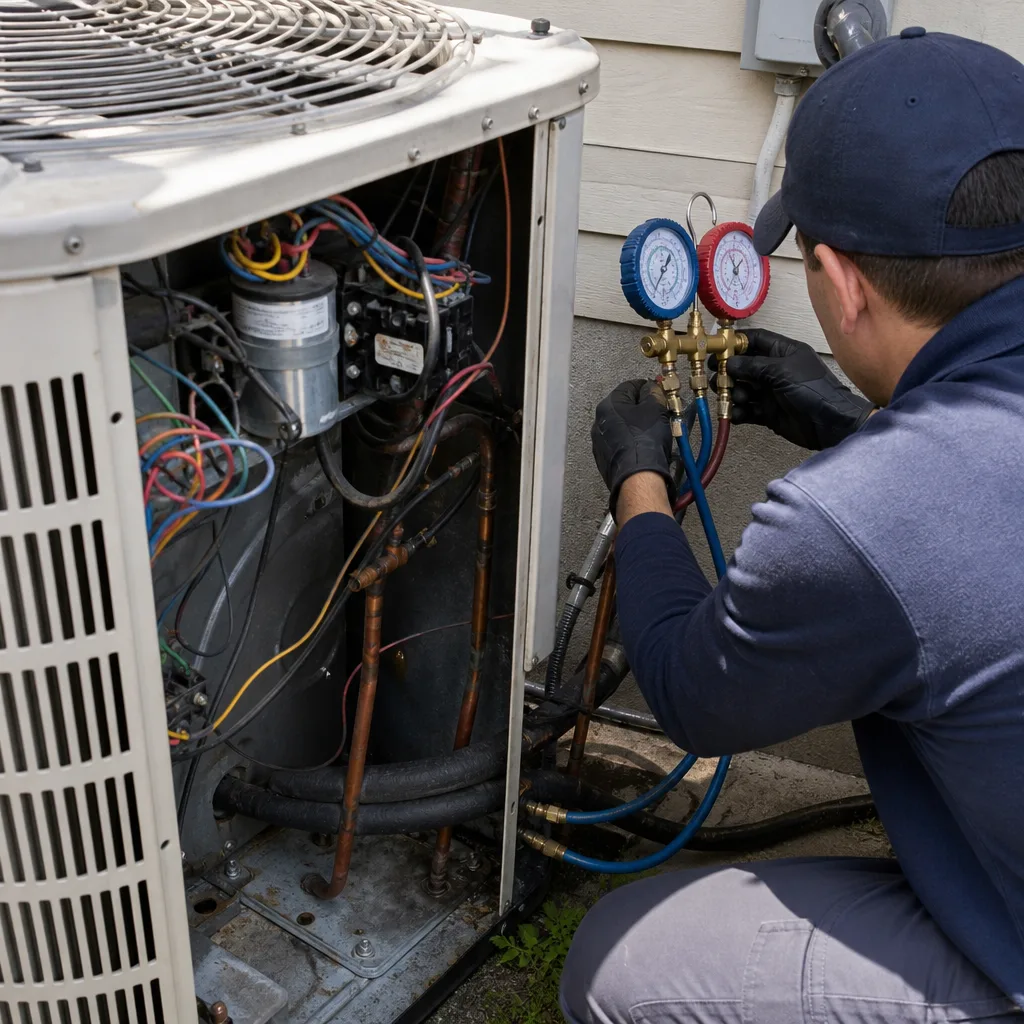
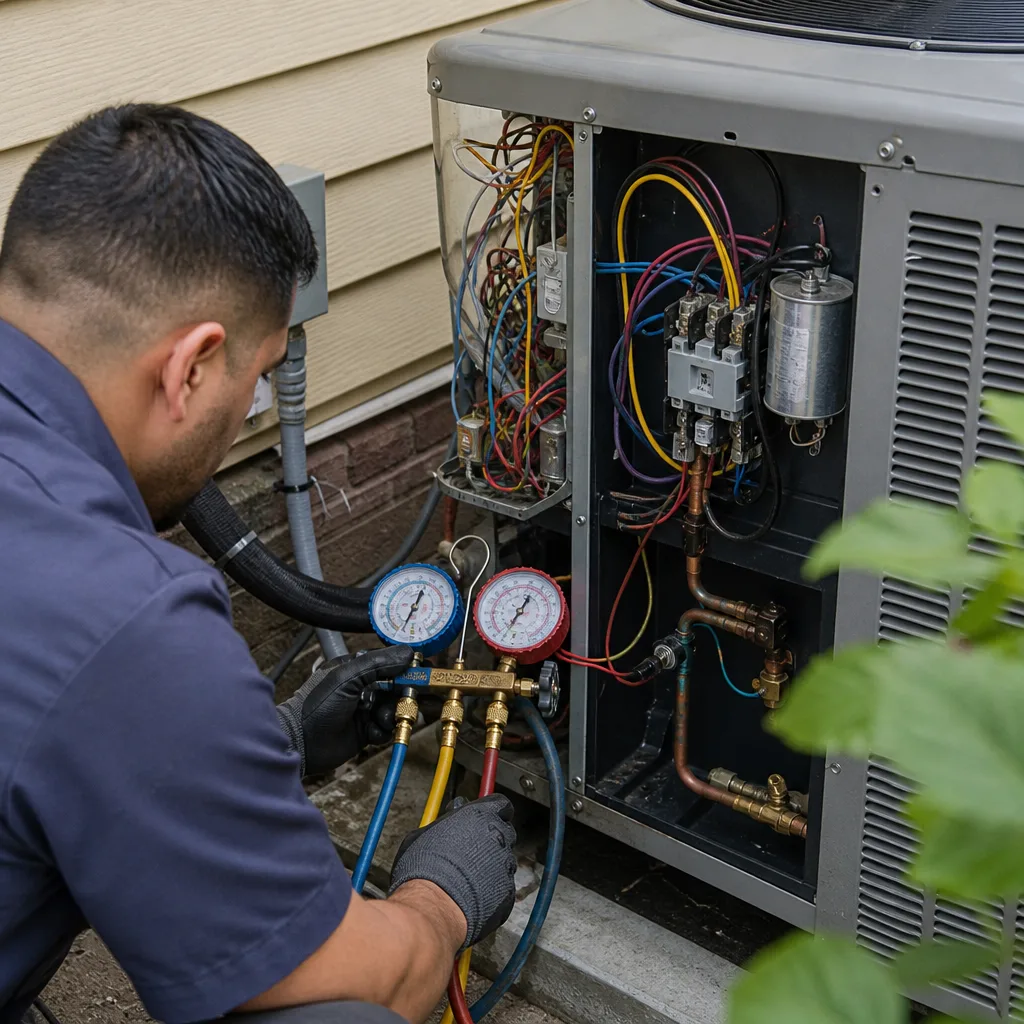
- Book a professional cooling check. This is the one task we strongly recommend leaving to a trained tech: checking refrigerant charge, cleaning evaporator and condenser coils, testing capacitors, and measuring temperature split. You’re looking at $120 – $220 in Brooklyn depending on the system and the company.
March is also the month when AC Repair in Brooklyn appointments are easiest to get. Demand is low, techs are available, and you get your pick of times. By July, that equation flips.
April: Managing the Heating-Cooling Overlap
April in Brooklyn delivers the widest temperature swings of the year. A morning that starts at 42°F can end at 76°F, or the reverse, and a system may cycle between heat and cool several times in a single day. That’s normal, but it’s also a stress test.
Here’s how to manage the overlap without short-cycling your equipment or voiding a manufacturer warranty:
- Set the thermostat to a wide deadband, not narrow setpoints. A deadband is the gap between your heating setpoint and your cooling setpoint. If you set heat to 68°F and cool to 74°F, the system has a six-degree buffer and won’t switch modes constantly. If you set heat to 70°F and cool to 71°F, the system will short-cycle between modes, which wears out the reversing valve or cycles the compressor too often.
- Use “Auto” mode on the thermostat instead of manually switching heat and cool. Most modern thermostats have an Auto setting that handles mode changes properly with built-in delays. Manual switching is fine occasionally, but repeated rapid switching stresses the contactor and compressor.
- Never turn the system off completely during a warm April afternoon and then slam it to 62°F an hour later. That deep-setpoint change forces the compressor to run continuously. Instead, set a moderate cooling target like 74°F and let the equipment ramp gently.
- Watch for ice or frost on the outdoor unit in April. It’s a sign of low refrigerant or restricted airflow, and both need a professional fix before summer.
One more April-specific issue: condensate. April rain and April humidity mean the system produces condensation during cooling cycles, but the air is still cool enough that the water evaporates slowly. That’s when drain pans overflow. If you hear water dripping near the indoor air handler, or if you notice a musty smell from a supply vent, the drain is the first suspect.
May Through August: Humidity, Dew Points, and Sizing
Brooklyn summer humidity is the defining HVAC challenge of the year. From late May through early September, outdoor dew points regularly sit between 65°F and 74°F. For context, indoor comfort requires a dew point below 60°F, and ideally in the low-to-mid 50s. That means your air conditioner is doing two jobs at once: lowering air temperature and removing moisture. A properly sized system does both. An oversized system does neither well.
Here’s the mechanical reality: an AC unit removes humidity by running long enough for cold evaporator coils to condense moisture out of the air. A system that’s too large for the space cools the air so quickly that it satisfies the thermostat in 10 or 15 minutes, then shuts off. In that short runtime, the coil gets cold enough to cool but not long enough to dehumidify. The result is a cold, clammy house where the AC runs in short bursts all day, and the indoor relative humidity stays above 60%. That’s not just uncomfortable; it’s a breeding ground for mold, dust mites, and lingering musty smells.
In older Brooklyn homes with high ceilings, plaster walls, and leaky windows, sizing matters even more. We’ve seen oversized systems in brownstones in Park Slope and Bed-Stuy that cool the parlor floor in eight minutes while the top floor stays eight degrees warmer and dripping with humidity. The fix is not a bigger unit. The fix is a Manual J load calculation, which accounts for square footage, window count, orientation, insulation, and the home’s thermal mass. When we install a system through AC Installation in Brooklyn, we do this calculation before recommending equipment from brands like Carrier, Trane, or American Standard. It’s not guesswork, and it’s the difference between a dry home and a damp one.
For the homeowner, there are a few summer habits that directly affect humidity control:
- Run the fan on “Auto,” not “On,” during humid months. The “On” setting blows air across the wet coil after the compressor shuts off, which re-evaporates moisture back into the house. It can raise indoor humidity by 5 – 10%.
- Don’t close more than 20% of supply vents in unused rooms. Closing vents raises static pressure, reduces airflow across the coil, and can cause the coil to freeze. Frozen coils stop dehumidifying entirely.
- Keep the thermostat set consistently, even when you’re away. Letting the house heat to 85°F while you’re at work means the system has to run for hours to recover, and it never dehumidifies properly during the recovery period. Set it to 78°F during the day and 74°F at night.
- Check the filter more often in July and August. Brooklyn air in summer carries pollen, construction dust, and subway soot. A filter that lasted three months in winter may clog in six weeks in summer. We recommend checking every 30 days from June through September.
One note on window AC units versus central systems: window units cool but rarely dehumidify well, and they introduce a safety and security tradeoff in Brooklyn ground-floor apartments. If you’re deciding between replacing a window unit and investing in a ductless mini-split, the mini-split wins on humidity control, noise, and security, and it qualifies for the same seasonal care rhythm described here.
October: The Second Overlap Window
October repeats April’s pattern, but with a heating emphasis. Brooklyn Octobers often bring mornings in the low 50s and afternoons in the low 70s, with rain every few days. That means the system may run heat at 7am, cool at 2pm, and heat again at 9pm. The same deadband advice from April applies: keep a wide gap between heating and cooling setpoints, and let the thermostat’s Auto mode handle mode changes.
But October has a specific heating-side checklist that April doesn’t:
- Test the heat before you need it. The last week of September or first week of October, switch the thermostat to heat and run the system for 20 minutes. That’s long enough to burn off the dust that collected on the heat exchanger or coils over the summer, and long enough to reveal any ignition, flame sensor, or blower issues before the first cold snap.
- Check the furnace filter and the air handler. Summer’s humidity means the filter has been working hard. Replace it before heating season begins, even if it doesn’t look clogged.
- Inspect the outdoor condenser for leaves and debris. October is leaf season in Brooklyn, and a condenser covered in wet leaves restricts airflow and promotes corrosion. This is a five-minute task that saves a July repair bill.
- Book a heating check. Similar to the cooling check in March: a professional inspects the heat exchanger for cracks, tests the flame sensor, checks gas pressure at the manifold, and verifies the blower and inducer motors. In Brooklyn, a furnace tune-up runs $120 – $220, and it’s the most effective way to prevent a no-heat call in January.
If you haven’t used your furnace since April, the first burn of the season will smell like burning dust for 15 – 20 minutes. That’s normal. If the smell persists beyond 30 minutes, or if it smells like gas (rotten eggs), shut the system off, open a window, and call a professional right away.
The Pre-Nor’easter Checklist
Nor’easters hit Brooklyn with a particular combination of heavy wet snow, high winds, and coastal flooding in low-lying areas like Red Hook, Sheepshead Bay, and parts of Coney Island. For an HVAC system, the risks are snow blocking the outdoor condenser, ice forming in the condensate line, and wind-driven rain entering the flue or fresh-air intake. Here’s the pre-storm checklist we recommend:
- Clear the area around the outdoor condenser. Move any furniture, trash bins, or debris that could become wind-blown projectiles and dent the coil fins.
- Confirm the condensate drain is clear. Pour a cup of vinegar down the line the day before the storm. If it drains slowly, call for service before the freeze turns a slow drain into a burst pipe.
- Check the exhaust flue and fresh-air intake. Make sure snow can’t accumulate over the intake or exhaust terminations on the side of the house. A blocked intake starves the furnace of combustion air and can force carbon monoxide into the home.
- Set your thermostat slightly higher than normal. If the power goes out, a warmer house buys you several extra hours before it gets uncomfortably cold. Set it to 70 – 72°F before the storm, not 68°F.
- Charge your phone and write down the number of someone who answers live. When a no-heat situation happens during a nor’easter, the last thing you want is a voicemail queue. We answer calls 24/7 at (315) 873-2984 with a live person, even during storms, and a live answer on the first call means the difference between same-day help and a three-day wait.
For systems in flood-prone areas, one extra step: if your furnace or air handler sits in a basement that has flooded before, shut the system off at the breaker before the surge arrives. Water and electricity don’t mix, and a flooded blower motor is a replacement, not a repair.
Month-by-Month Task Calendar
Here’s the complete calendar, compressed into one reference. Print it or save it on your phone. Each month has one high-priority task and a few quick checks.
- January: Replace the filter (30 – 60 days since the last one). Check for ice buildup around the outdoor condenser if you have a heat pump. Don’t let snow pile against the unit.
- February: Check the thermostat batteries if applicable. Listen for unusual burner noise. Replace the filter if you skipped January.
- March: Book the cooling check. Clean the outdoor condenser perimeter. Pour vinegar down the condensate drain. Test cooling mode for 15 minutes. Replace the filter.
- April: Set a wide thermostat deadband. Watch for condensate overflow. Clear leaves from the condenser. Don’t manually switch modes repeatedly.
- May: Replace the filter early in the month. Confirm the fan is set to Auto. Check that no more than 20% of supply vents are closed.
- June: Check the filter every two weeks during heat and humidity. Listen for short-cycling. Clean or replace a washable filter more often if needed.
- July: Same as June, plus watch for ice on the coil or refrigerant lines. If humidity indoors stays above 60%, call for a sizing evaluation.
- August: Book the heating check for late September now, while the calendar is open. Replace the filter before the heat waves break.
- September: Test heat mode for 20 minutes. Replace the filter. Book the heating check if you didn’t in August.
- October: Clear leaves from the outdoor condenser. Pour vinegar down the condensate drain. Set the furnace to Auto mode. Watch for the burning-dust smell on first fire.
- November: Confirm the exhaust flue and fresh-air intake are clear. Replace the filter. Check that the thermostat is set to a heating schedule.
- December: Check the condensate drain one final time. Replace the filter before holiday travel. If you leave town, set the thermostat to 60°F, not off, to prevent frozen pipes.
If you follow this calendar, you’ll replace your filter roughly eight to ten times per year, which works out to $80 – $200 per year depending on filter type (standard 1-inch fiberglass filters run $8 – $20 each; higher-MERV pleated filters run $20 – $40 each). Add two professional tune-ups at $120 – $220 each, and total annual care costs land around $320 – $640 per year. That’s less than one emergency compressor replacement, and it keeps the system running through the shoulder months without drama.
If you ever need help with the tasks you’d rather not handle, Furnace Repair in Brooklyn is available year round, and the sooner a problem is caught, the smaller the repair bill. Our techs service equipment from Carrier, Trane, Lennox, Goodman, Rheem, York, Daikin, Bryant, and American Standard, so whatever your system is, we can maintain it and repair it.
Owner-Occupied vs. Rental: How Care Changes
Brooklyn has one of the highest renter shares of any borough in New York City, and seasonal HVAC care looks different when the person setting the thermostat isn’t the person responsible for the equipment. If you own a rental property in Brooklyn, the same monthly rhythm applies, but there are four additional considerations:
- Tenant thermostat behavior drives wear. Tenants often set thermostats to extremes: 62°F in summer and 78°F in winter, or the reverse. That deep-setpoint demand forces the system to run continuously and accelerates wear on capacitors, compressors, and blower motors. Installing a smart thermostat with adjustable limits (minimum and maximum setpoints) protects the equipment while keeping comfort reasonable for tenants.
- Rental units sit empty between tenants, and empty units get neglected. A vacant apartment with the system off in July grows mold in the ductwork and lets the condensate trap dry out, which then lets sewer gas enter the living space. During vacancy, run the system in fan-only mode for 15 minutes every few days, or at minimum, set the thermostat to 78°F in summer and 60°F in winter.
- Filters get changed less often in rentals. Tenants rarely replace filters, and landlords often forget. The result is a clogged filter that starves the blower and reduces airflow to the living space. We recommend installing a service schedule: either the landlord or a maintenance contractor replaces the filter on a set monthly or bi-monthly cadence, regardless of tenant reports.
- Pets and cooking add to indoor air load. Rental units often house pets, and tenant cooking patterns vary widely. Both add dander, grease, and particulate to the air, which loads the filter faster. Factoring that into your filter replacement schedule avoids a mid-winter clog and a no-heat call.
For owner-occupied homes, the main seasonal difference is personal habit: you control your own filter changes and thermostat settings, and the equipment is more likely to get attention when something sounds wrong. The tradeoff is that owner-occupied systems tend to be older, because homeowners delay replacement until a failure forces the issue. Seasonal care is the lever that extends that replacement by years.
Common Mistakes to Avoid
- Skipping the March cooling check because “the AC worked fine last summer.” By the time a system fails in July, the underlying cause was present in March. The March check is the cheapest insurance you’ll buy all year.
- Running the fan on “On” during Brooklyn’s humid months. This re-evaporates moisture into the home and can add 5 – 10% to indoor relative humidity. Set the fan to “Auto” from May through September.
- Closing supply vents in unused rooms to “save energy.” Closing more than 20% of vents increases static pressure, reduces airflow across the coil, and can cause the coil to freeze. A frozen coil stops cooling entirely and requires a service call.
- Setting the thermostat to extreme setpoints to “cool down faster.” HVAC systems don’t cool faster at lower setpoints. Setting the AC to 60°F just makes the compressor run longer. Set it to 74°F and let the system do its job.
- Ignoring the condensate drain until water appears on the floor. By the time you see water, the clog is advanced and the backup may have already soaked a hardwood floor or a basement rug. The vinegar rinse every two to three months prevents most clogs.
- Treating the furnace and the AC as separate systems. They share an air handler, a filter, a blower, and ductwork. A clogged filter hurts both. A poorly maintained blower motor stresses both. Seasonal care is one integrated routine, not two.
- Assuming a newer system doesn’t need maintenance. New systems fail less often, but they still need filter changes, condensate clearing, and refrigerant checks. Skipping maintenance on a new system often voids the manufacturer warranty, and the first failure still costs full price.
When to Call a Professional
Some tasks in this guide are homeowner-friendly: filter changes, vinegar rinses, clearing leaves from the outdoor unit, testing the system for 15 minutes. But several situations call for a trained technician, and waiting makes the problem more expensive. Call a professional if you hear grinding, squealing, or banging from the outdoor unit; if the system runs but the air barely cools or heats; if ice forms on the coil or refrigerant lines in summer; if you smell gas or a persistent burning odor; if the breaker for the HVAC equipment trips more than once; if water pools near the indoor air handler; or if you notice a significant jump in your Con Ed bill with no change in usage. These are not DIY situations, and several of them involve electrical components or gas lines that carry real safety risk. Meadowsweet Heating and Air Brooklyn offers free estimates in Brooklyn, and every visit starts with a written price before any work begins. Call (315) 873-2984 and a live person will answer, day or night.
Frequently Asked Questions
Seasonal HVAC maintenance in Brooklyn typically costs between $120 and $220 per visit for a single system, so a full year of both a cooling check and a heating check runs $240 – $440. Filters add another $80 – $200 per year depending on type, bringing total annual maintenance to roughly $320 – $640. Exact pricing depends on system type, age, and condition. Call (315) 873-2984 for a written quote before any work starts, no surprises.
Schedule your cooling system check in March and your heating system check in September. These two months land before the demand spikes of July and January, which means faster appointments and more flexible scheduling, and the checks catch problems before seasonal weather puts the system under load. The March and September windows are the single most effective scheduling strategy for Brooklyn homeowners.
During April and October, when you may need heat in the morning and cooling in the afternoon, set your thermostat to Auto mode with a wide deadband of at least 4 – 6 degrees between heating and cooling setpoints. This prevents short-cycling, which wears out components faster and can void manufacturer warranties. Avoid manual mode switching and avoid extreme setpoint changes in either direction.
Replace your HVAC air filter every 30 – 60 days year round, and check it every two weeks during Brooklyn’s humid summer months, when pollen, construction dust, and airborne particulate clog it faster. A clogged filter reduces airflow, strains the blower motor, and makes the system work harder in both heating and cooling modes. Most standard 1-inch filters cost $8 – $20 each.
You can handle filter changes, condensate line vinegar rinses, clearing debris from the outdoor unit, and seasonal test runs yourself. Refrigerant checks, coil cleaning, capacitor testing, heat exchanger inspection, and gas pressure adjustments require a trained professional with specialized tools and safety training, and several of those tasks are required to maintain manufacturer warranty coverage.
Sticky air despite cool temperatures usually means the system is oversized for the home, so it cools too quickly and never runs long enough to remove humidity. It can also mean the fan is set to “On” instead of “Auto,” or the evaporator coil is dirty or frozen. A Manual J load calculation tells you whether the system is sized correctly; in older Brooklyn homes with high ceilings and plaster walls, oversizing is common and easily corrected by right-sizing at replacement. Call (315) 873-2984 for a professional evaluation.
Clear the area around the outdoor condenser, confirm the condensate drain is clear, check the exhaust flue and fresh-air intake for potential snow blockage, set the thermostat to 70 – 72°F to buy warmth time during a power outage, and charge your phone. If your equipment sits in a flood-prone basement and a surge is forecast, shut the system off at the breaker before water arrives. If you need help, call us at (315) 873-2984 before the storm hits.
The Bottom Line
Seasonal HVAC care in Brooklyn is a rhythm, not a checklist. It follows the weather: the wet March wake-up, the April overlap, the long humid summer, the October second shoulder, and the December deep freeze. The core habits are simple: replace filters every 30 – 60 days, book a cooling check in March and a heating check in September, keep the fan on Auto during humid months, protect the condensate drain with vinegar rinses, and respect the heating-cooling overlap by setting a wide thermostat deadband. Doing those things costs roughly $320 – $640 per year and prevents most emergency failures, most humidity problems, and most no-heat nights. When a job is beyond what you want to handle, Meadowsweet Heating and Air Brooklyn shows up with a written price, shoe covers, drop cloths, and a photo of the clean-up before we leave, all backed by the 365-Day Done Right Promise. For more guides & resources, visit our blog. That’s the standard we hold every visit to, and it’s why we can say with confidence: the seasonal care rhythm is the cheapest, safest, and most comfortable way to live with HVAC equipment in Brooklyn.
Written by Luis Serrano, Owner at Meadowsweet Heating and Air Brooklyn, serving Brooklyn since 2004.
See the difference
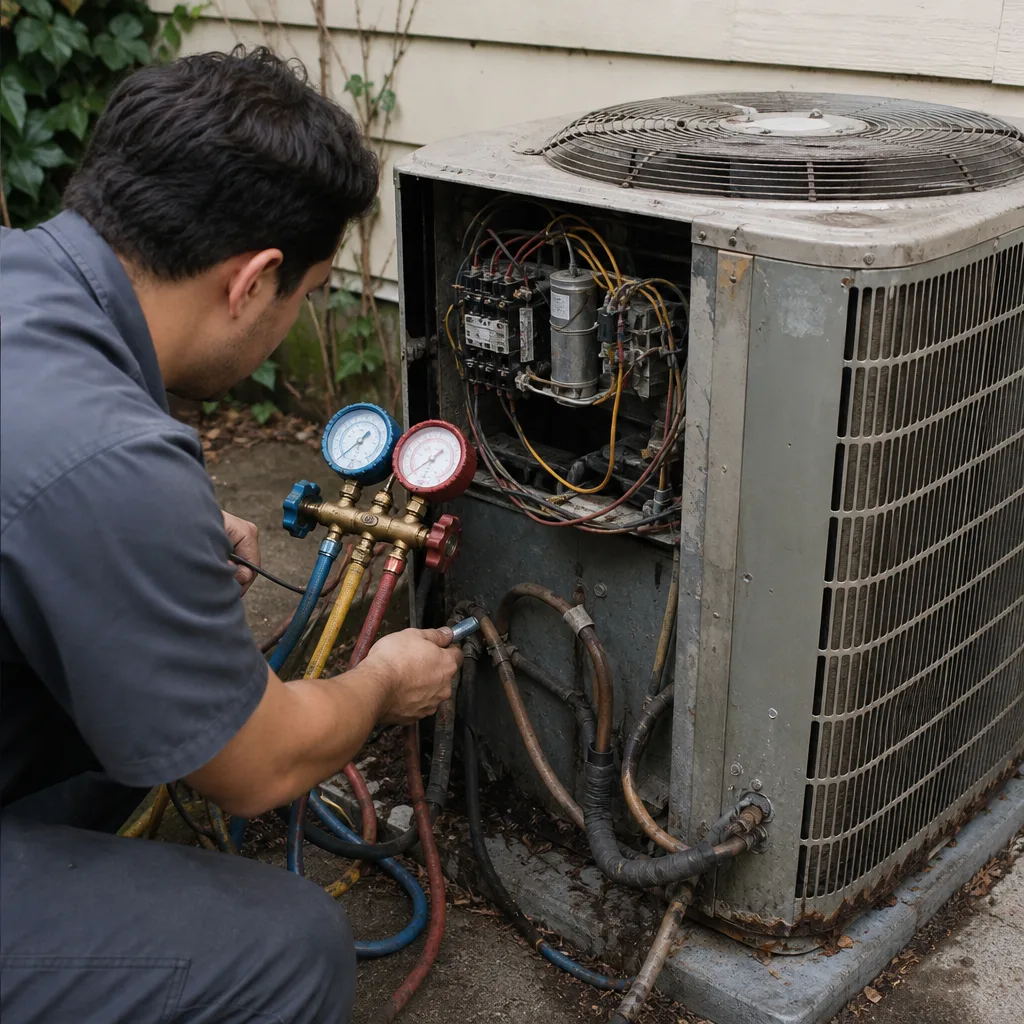 Before
 After
After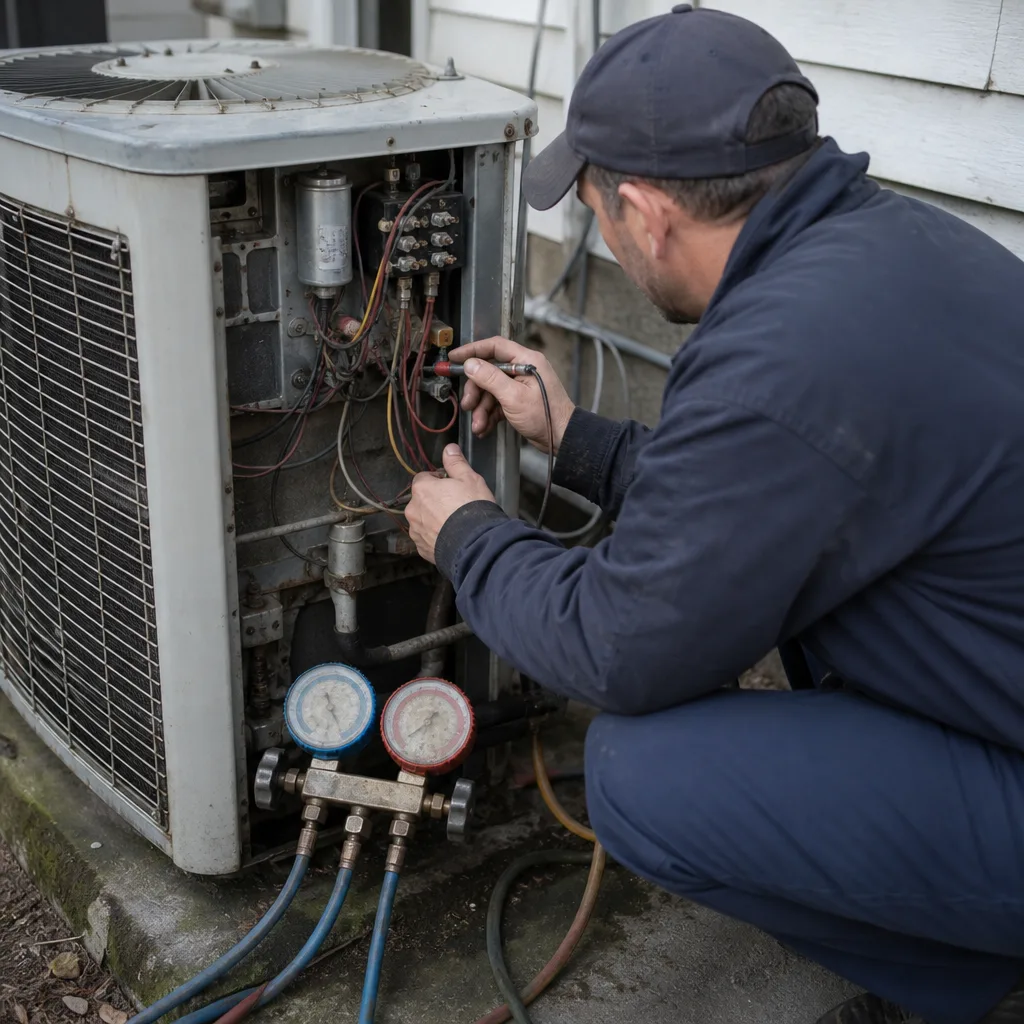 Before
 After
After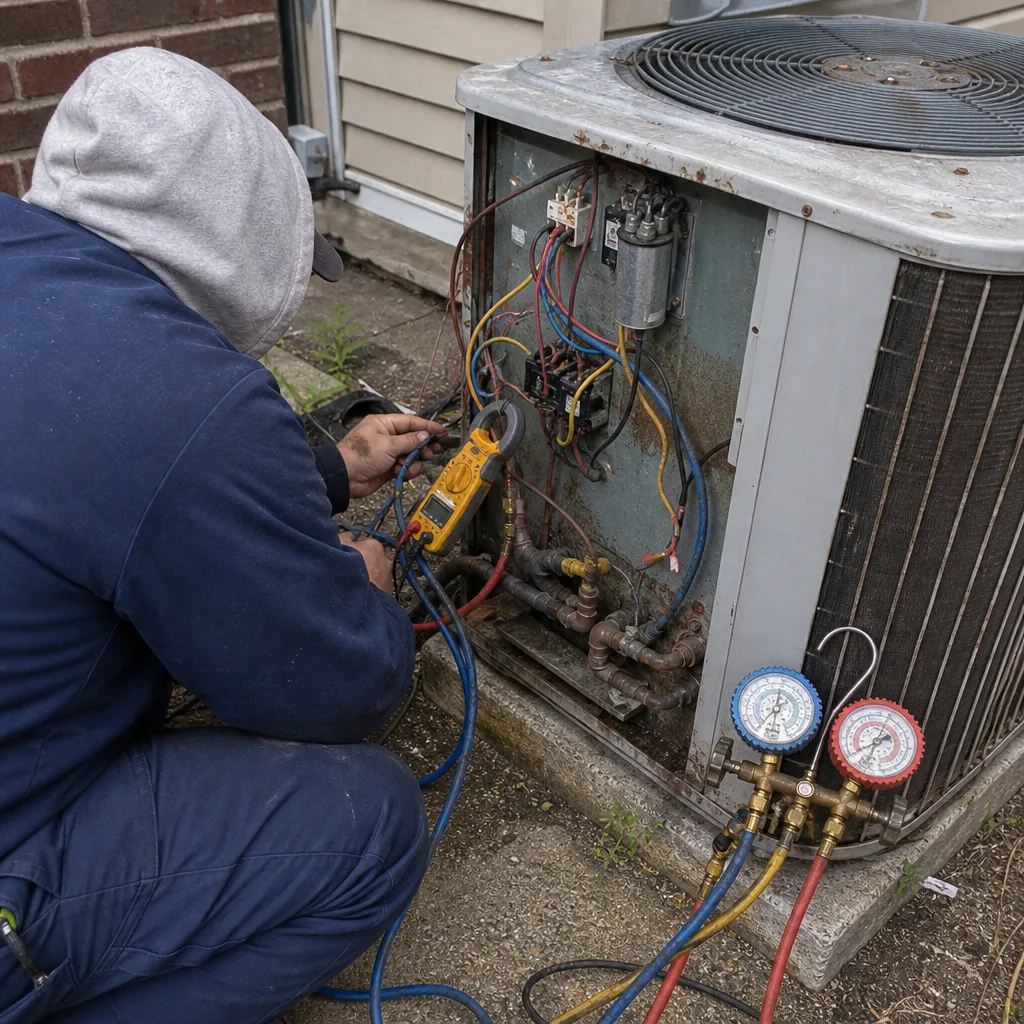 Before
 After
After