
 AC repair
 Furnace & heating
 Heat pumps
 Ductless mini splits
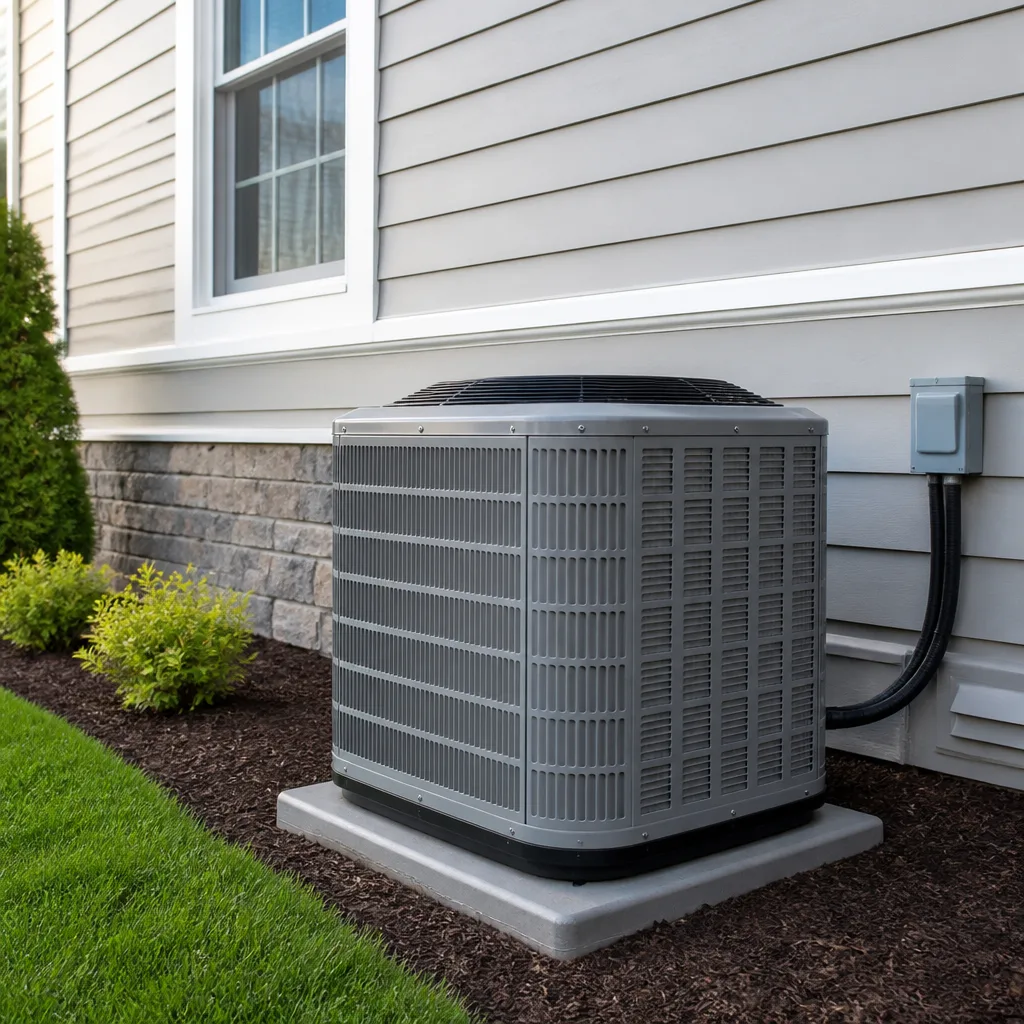 Carrier
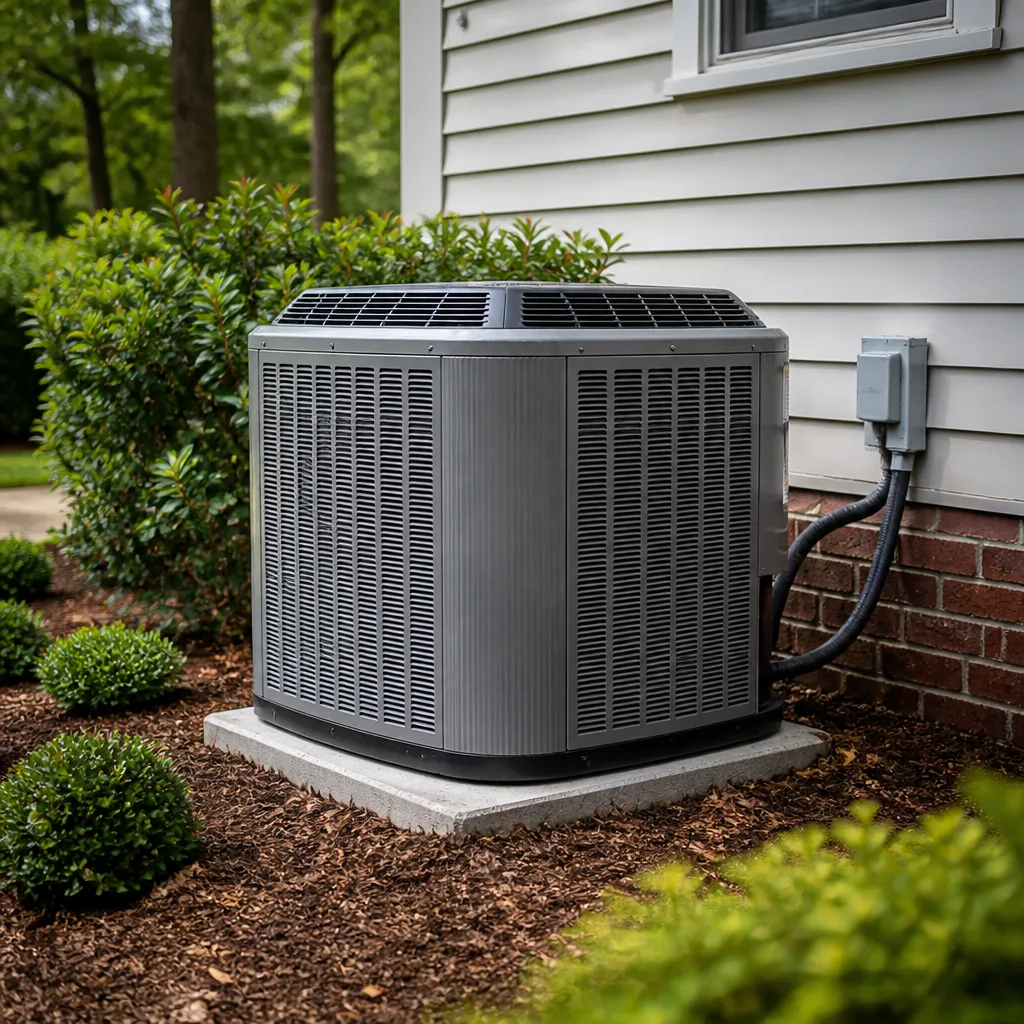 Trane
Trane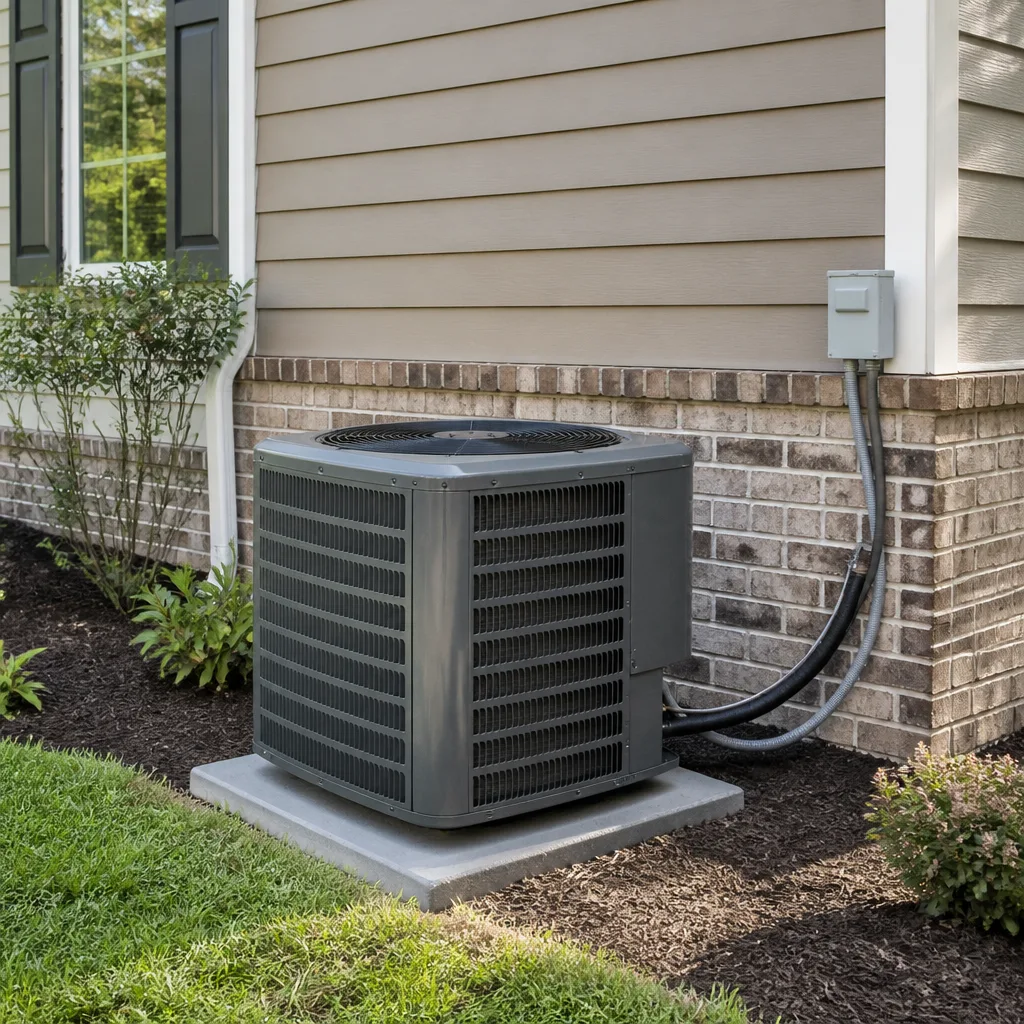 Goodman
Seasonal tune-up and full diagnostic on your Carrier, Trane, or Goodman system - readings shown to you before any repair is proposed
Diagnosis first, numbers second - you approve the repair price before a single part goes in.
Get your free estimateBryant Ductwork Repair: The Brooklyn Owner’s Guide
Bryant ductwork repair in Brooklyn typically runs $250 to $700 installed, depending on how much of the run is compromised and whether we’re patching a section or rebuilding a plenum connection. We stock Bryant-compatible duct fittings, collars, mastic, and metal on our trucks, so most repairs are done same-day. You’ll usually notice the problem before you see it: a bedroom that never reaches temperature, a faint rattle behind the wall when the blower kicks on, or dust accumulating around a register that used to stay clean.
The ductwork is the part of a Bryant system nobody thinks about until a room stops working. In Brooklyn, where duct runs squeeze through old walls, tight closets, and around plumbing that predates the system itself, the failure is almost always at a seam, a collar, or a branch takeoff. The metal flexes with temperature swings, the tape dries out, and conditioned air starts leaking into a wall cavity instead of the living space. We find it with a pressure check and a visual inspection, and we fix it without tearing your house apart.
Which Bryant Models This Applies To
This repair work applies to any Bryant furnace or air handler that moves air through ductwork, including the Evolution series, Legacy line, and Preferred models paired with both gas furnaces and heat pumps. The ductwork itself isn’t model-specific in the way a control board is, but the sizing matters: a Bryant Evolution system moving 1,200 to 1,600 CFM needs a return drop sized correctly, or the static pressure climbs and the blower works itself to death. In Brooklyn’s older homes, we regularly see return ducts that were undersized from day one, usually because the original install happened before a big remodel added square footage.
OEM Bryant duct components exist, but here’s the honest truth: the metal itself doesn’t need to say Bryant on it. What matters is the gauge, the seam quality, and whether the fittings match your system’s airflow requirements. We use OEM Bryant parts when a proprietary transition or sound attenuator is involved, and quality aftermarket sheet metal and mastic for everything else. The aftermarket metal is often the same gauge as what came with the original install, and it costs less without cutting any corners. The gotcha we see most often: homeowners order generic flex duct online only to find it doesn’t match their existing collar size, so it never seals properly. Brooklyn duct sizes in pre-war buildings run all over the place, which is why we measure before we order anything.
Styles & brands we work with
Signs Your Bryant Ductwork Repair Is Failing
- Room temperature won’t match the thermostat. The Bryant system is producing conditioned air, but it’s bleeding out at a loose takeoff or a gap where the boot meets the floor. The room stays five or seven degrees off no matter how long the system runs.
- Dust streaks or dark lines on the wall near a register. Air is pulling through the wall cavity instead of the registered opening, filtering against the drywall. That’s a boot disconnected or a seam that split open.
- A rattle or metallic popping sound when the blower starts. The duct skin is flexing under pressure changes. In Brooklyn, this is very common in sheet metal trunks that run through unheated closets where the metal expands and contracts hard between seasons.
- High utility bills with no change in behavior. A leaking supply run means the Bryant system runs longer to satisfy the thermostat. Ten percent leakage can translate to real money on a ConEd bill over a Brooklyn heating season.
- Rooms that are hot in summer or cold in winter, but only certain ones. That’s a telltale signal: the duct run serving that room is either crushed, collapsed, or disconnected entirely, and the air never arrives.
See the difference
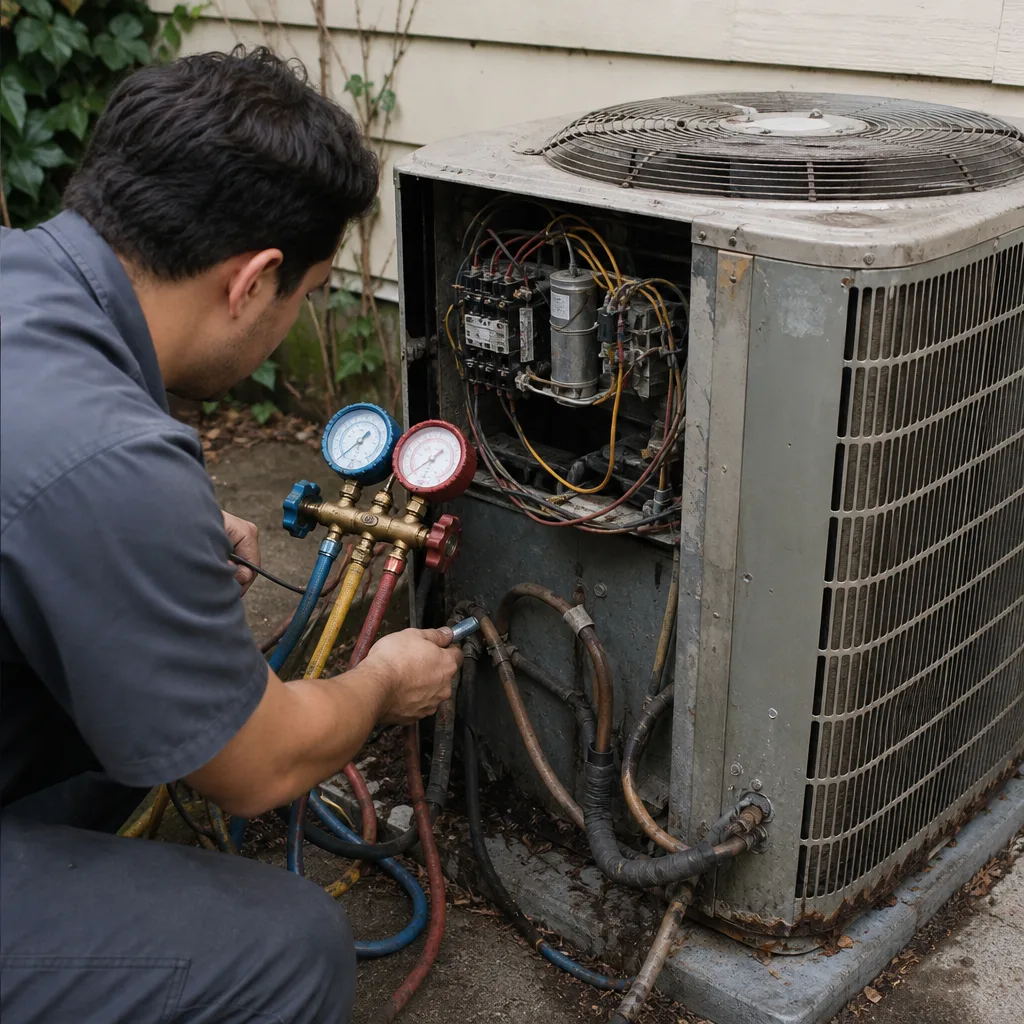 Before
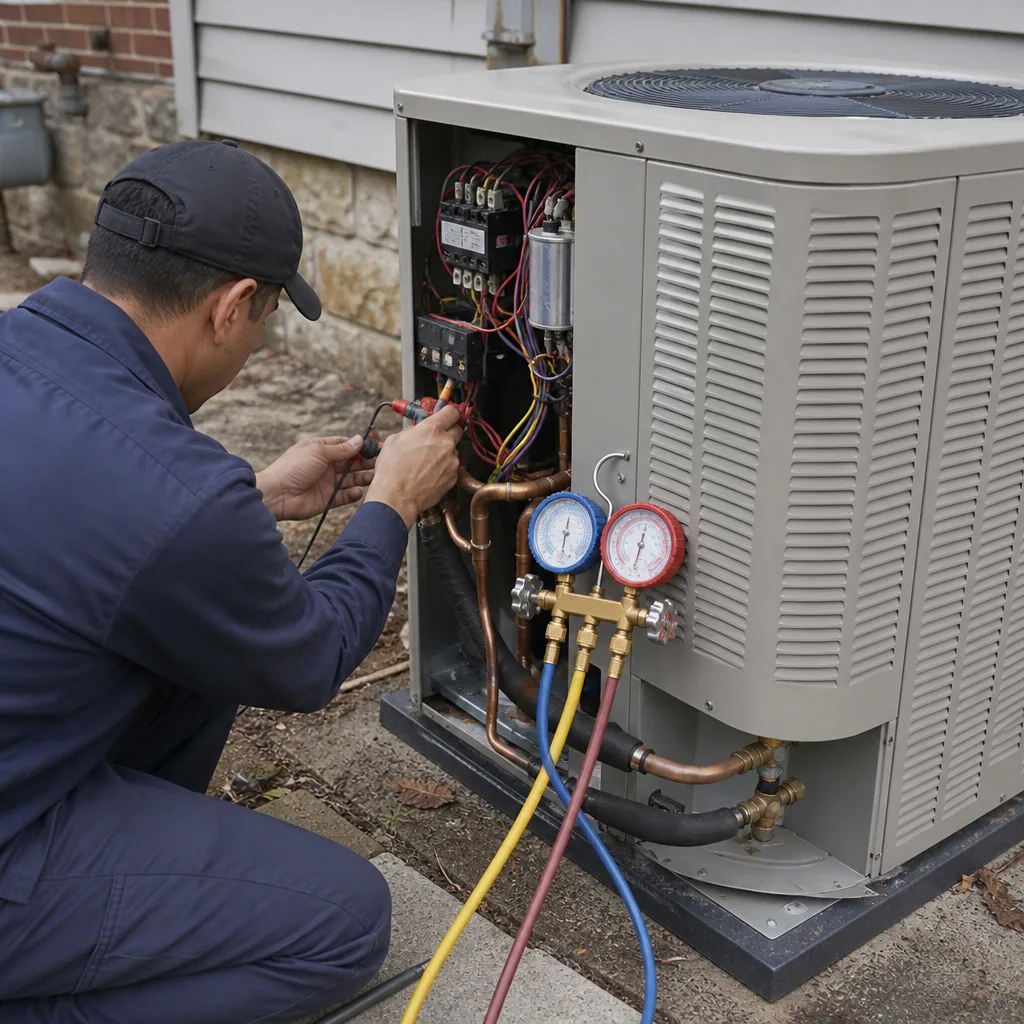 After
After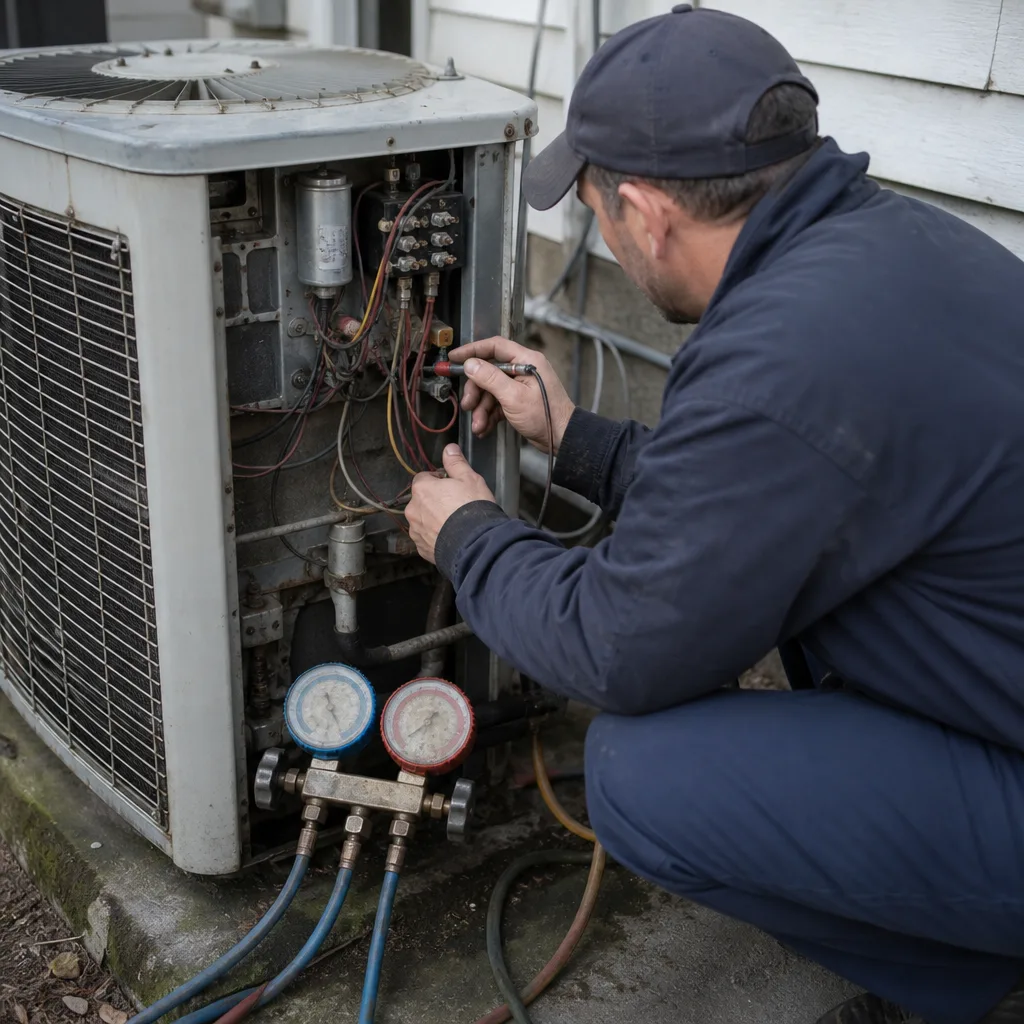 Before
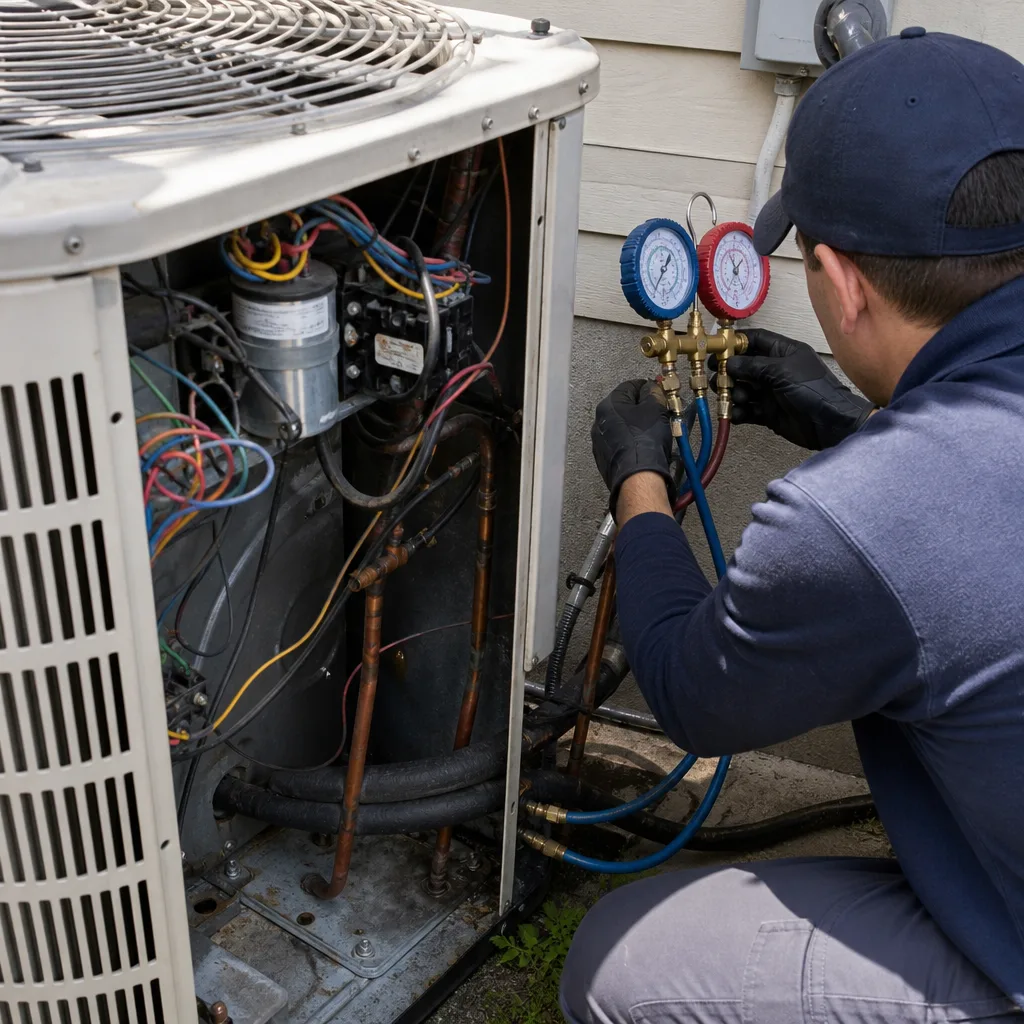 After
After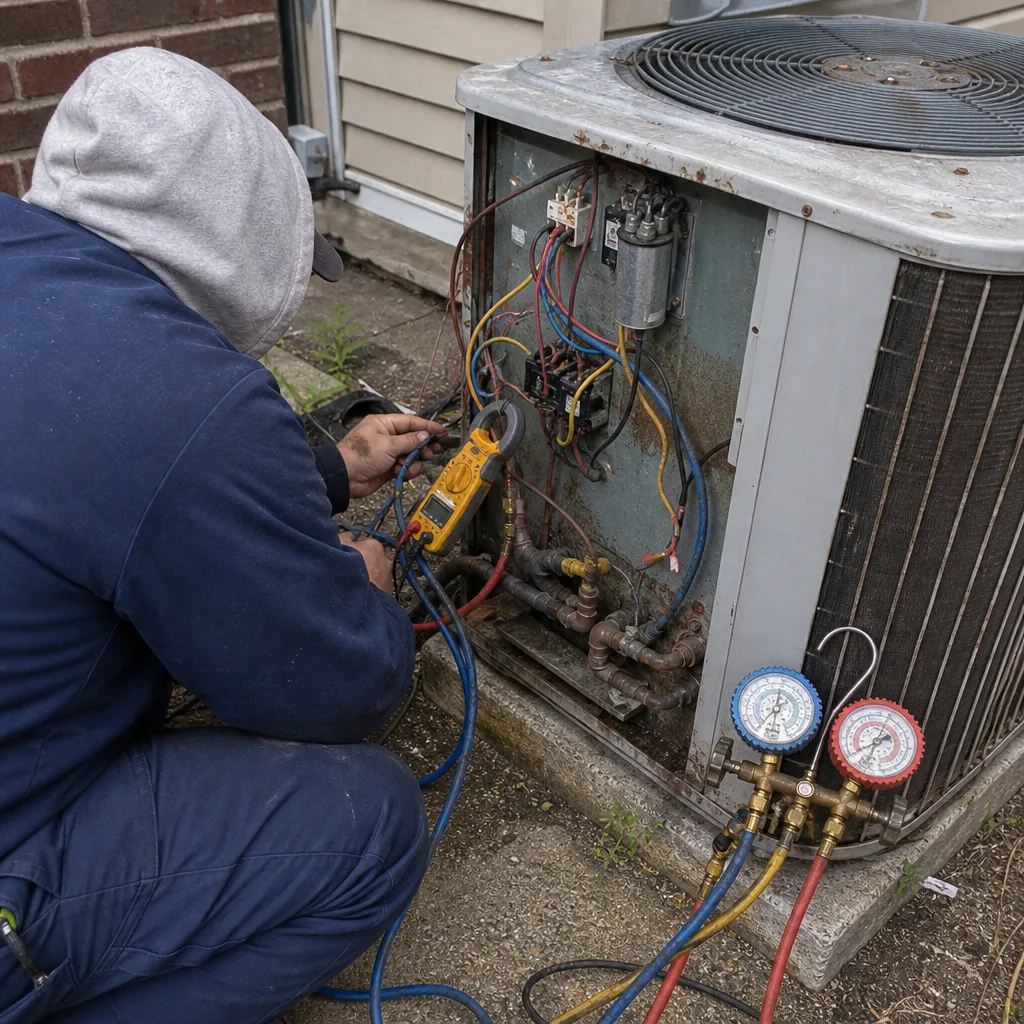 Before
 After
AfterReplacement Cost & What’s Included
Repair work on Bryant duct systems in Brooklyn generally falls between $250 and $700 when we’re fixing a specific failure: resealing a split seam, replacing a boot, reconnecting a dropped takeoff, or patching a crushed section. If the job involves rebuilding a plenum, adding a return, or replacing long runs of flex through hard-to-reach spaces, the price can push toward $900 to $1,200. We’ll tell you the exact number before we start, in writing, so there’s no math at the end of the job.
What’s included: the parts (collars, mastic, fasteners, metal, or flex as needed), the labor to access the duct, sealing with mastic rather than tape alone, a pressure and airflow check before and after, and a photo of the finished work before we pack up. Every repair carries our 365-Day Done Right Promise. If the same failure reappears within the year, we come back and make it right at no charge. That guarantee matters for ductwork specifically because a leak that hides behind a wall for a few weeks before showing itself shouldn’t become your second invoice.
DIY or Call Us?
A homeowner can safely check a few things: walk the house and feel for draft around registers, look for visible gaps where a boot meets the floor, and check that no furniture is blocking returns. If you see a split seam or a disconnected round pipe within easy reach, you can wrap it temporarily with foil tape from the hardware store, but understand that tape is a band-aid, not a repair. Duct tape, despite the name, dries out and fails, especially in unheated Brooklyn closets where temperature swings are brutal from October through March.
What you shouldn’t do is crawl into an attic or crawlspace and start pulling duct apart. Compromised duct runs in old Brooklyn homes sit next to knob-and-tube wiring, masonry that sheds dust, and sometimes asbestos wrap on older heating pipes. We wear respirators and gloves, we lay drop cloths to protect your floors while working, and we’ll tell you exactly what we find before we touch anything. Luis Serrano is the one who taught this crew to check static pressure first and reach for the impact driver second. If your ducts are acting up, call us at (315) 873-2984 and we’ll sort it out.
FAQs
Well-sealed metal ductwork typically lasts 25 to 40 years if it’s been installed correctly, but Brooklyn’s heating seasons stress the seams. Flex duct has a shorter realistic lifespan of 10 to 15 years because the inner liner breaks down. We’ll tell you honestly whether the run is worth repairing or past its useful life.
Yes, and most of what we see in Brooklyn is repairable: split seams, separated collars, crushed sections, and loose boots all respond well to targeted repair. Only when a run is internally deteriorated, covered in old adhesive residue, or so undersized it never worked well in the first place do we recommend replacement. Call (315) 873-2984 and we’ll give you a straight answer based on what we find.
Most single-point repairs take between two and four hours on site, depending on access and how much of the run needs to be opened up. We’ll give you a window before we arrive and a phone call when we’re headed your way.
Yes. Our trucks carry common collars, boots, mastic, sheet metal, flex duct in several diameters, and Bryant-specific transitions for the systems we service. We also have access to parts channels for Carrier, Trane, and Lennox when a crossover component is called for.
If your Bryant system isn’t keeping the rooms comfortable and you suspect the ducts are the culprit, call (315) 873-2984. We’ll answer in person, schedule a visit, and give you a written price before any work begins.
Written by Luis Serrano, Owner, Meadowsweet Heating and Air Brooklyn at Meadowsweet Heating and Air Brooklyn, serving Brooklyn and nearby areas.