
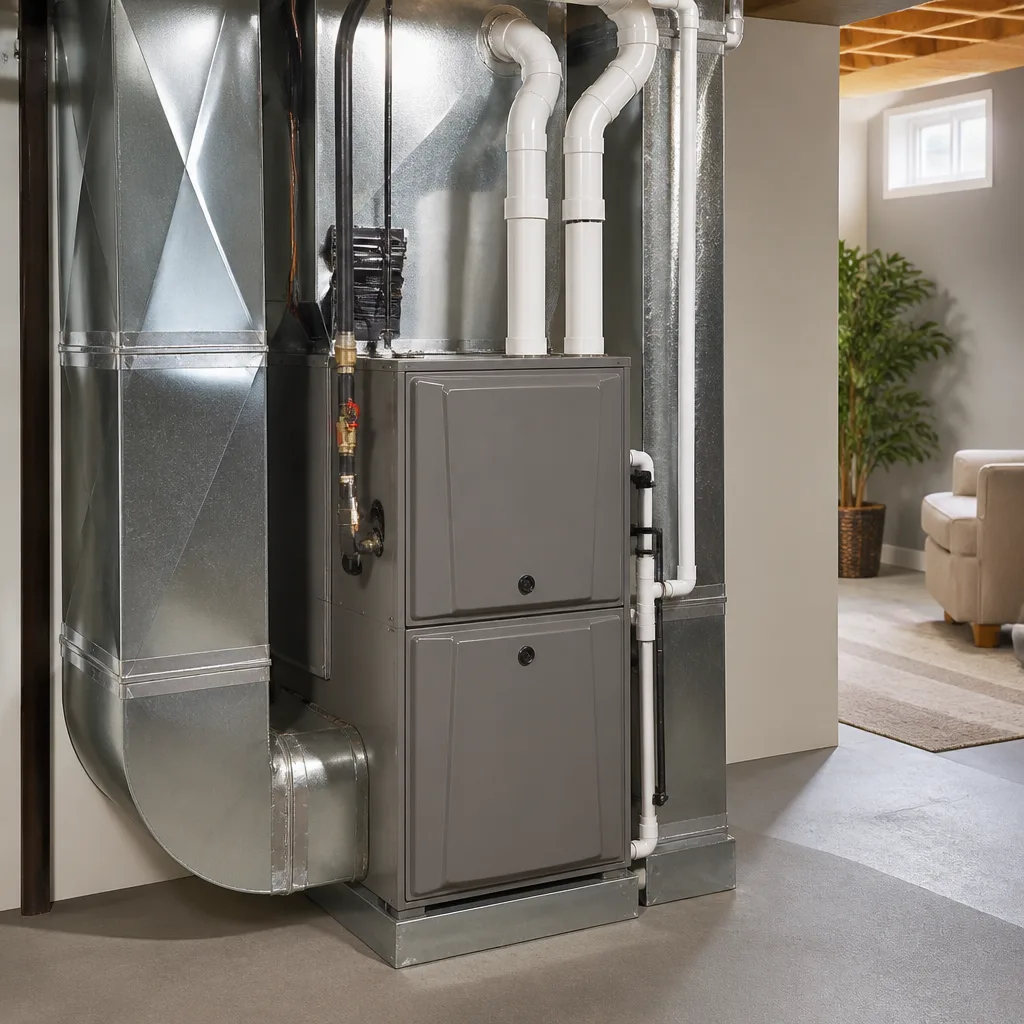
 Furnace & heating
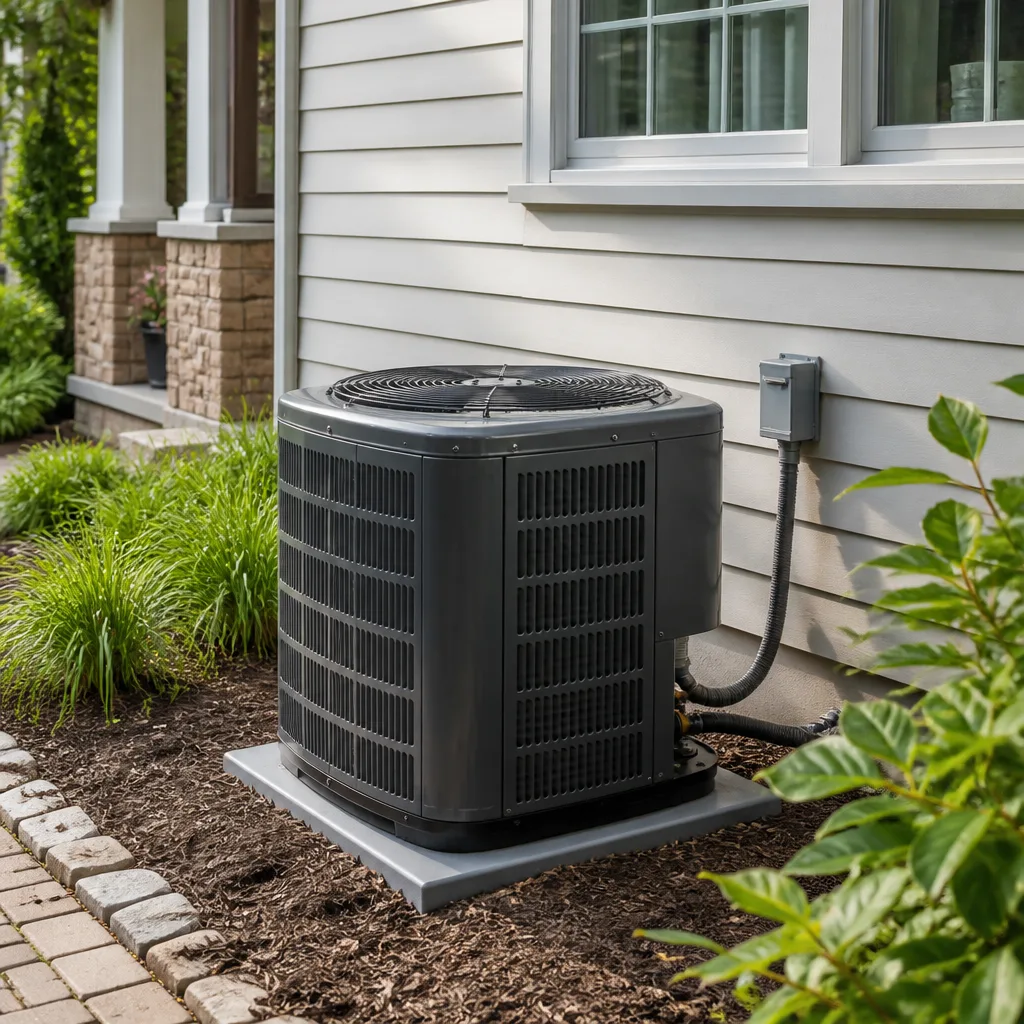 AC repair
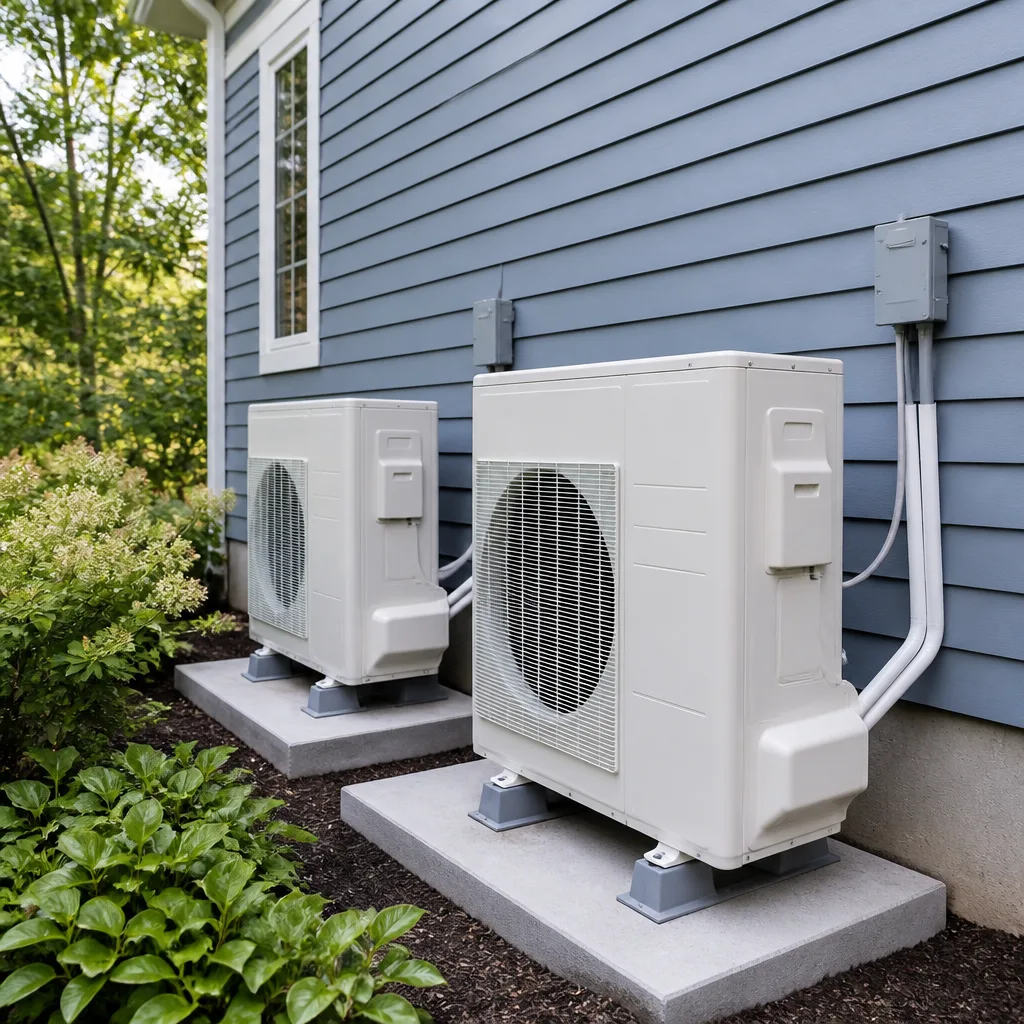 Heat pumps
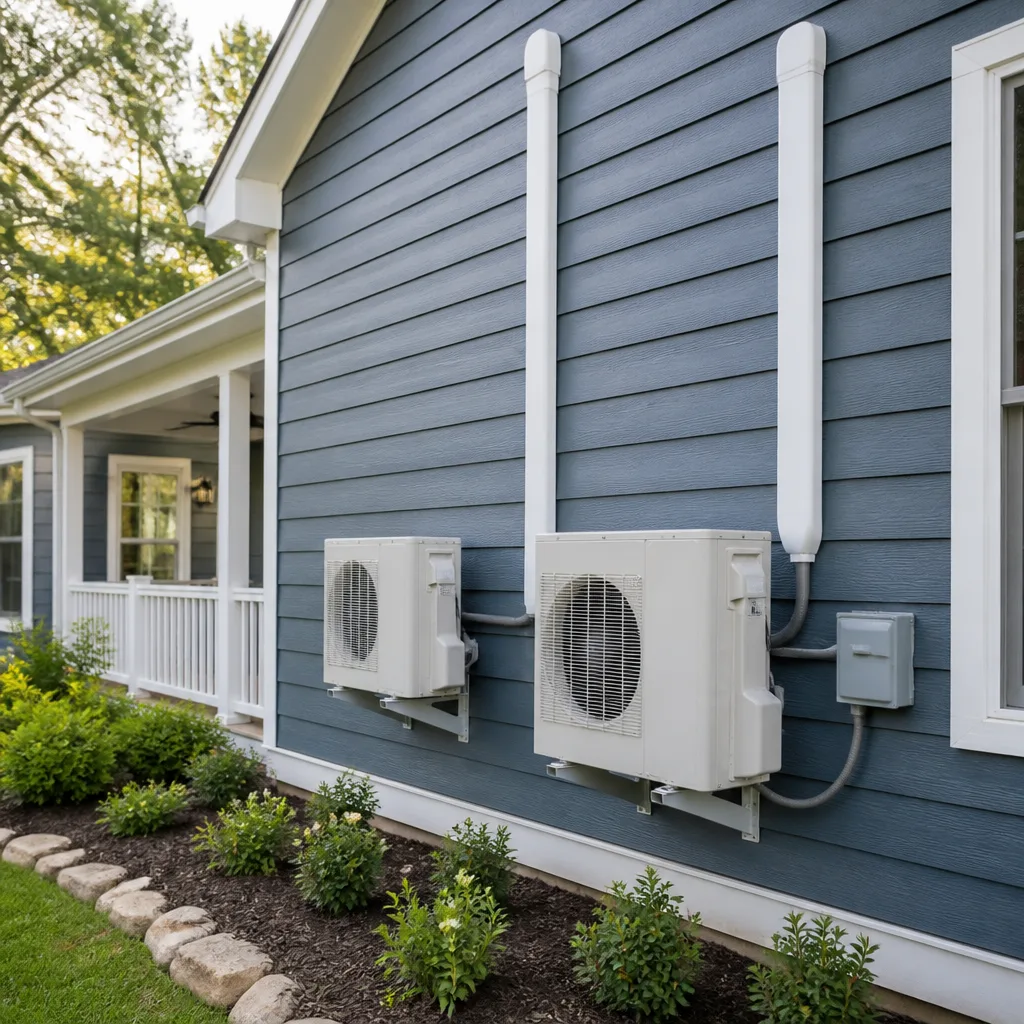 Ductless mini splits
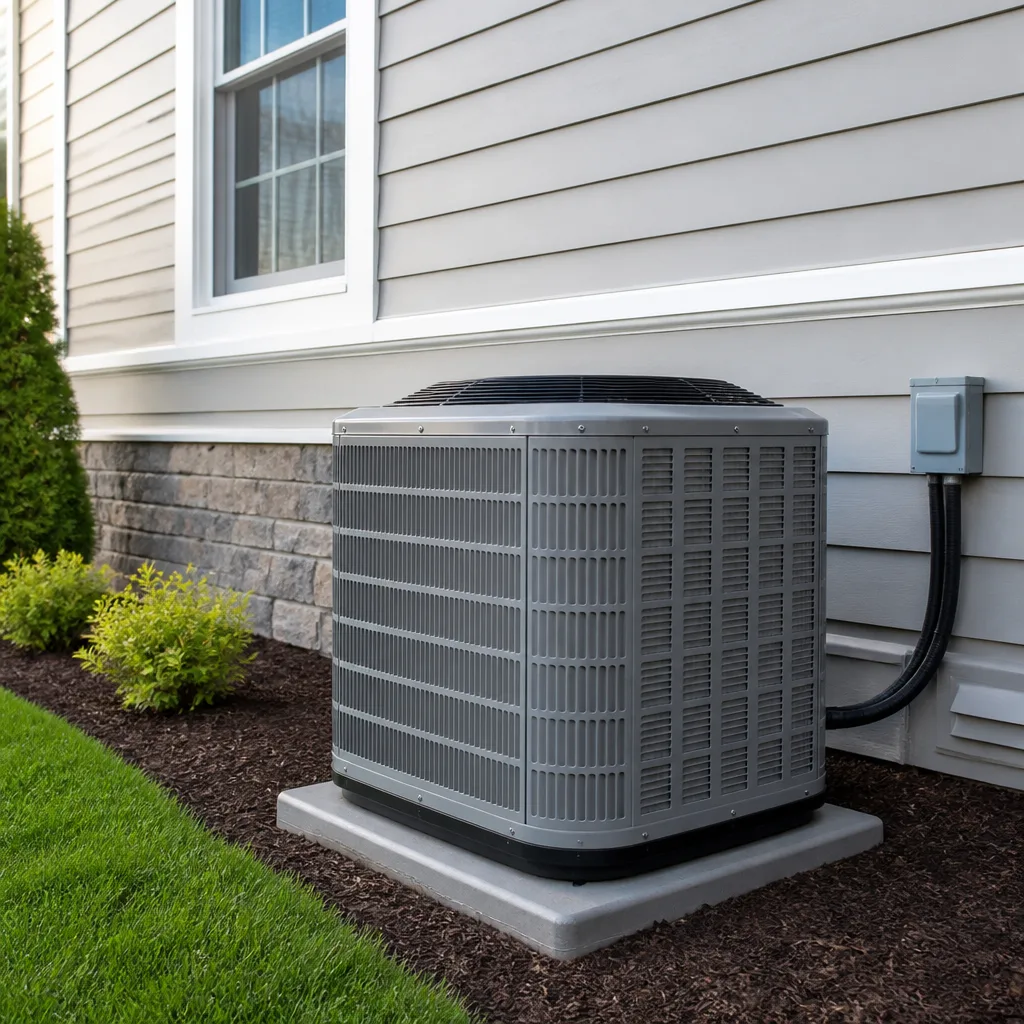 Carrier
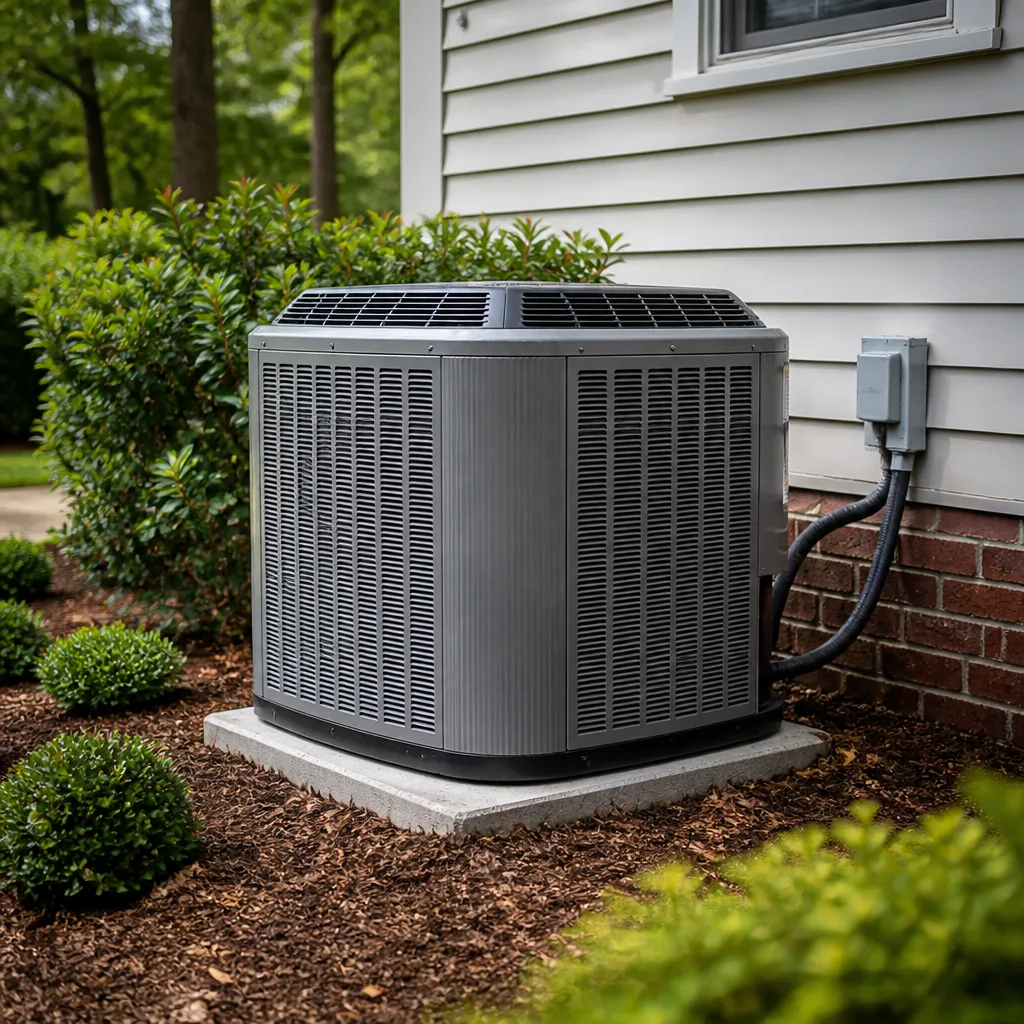 Trane
Trane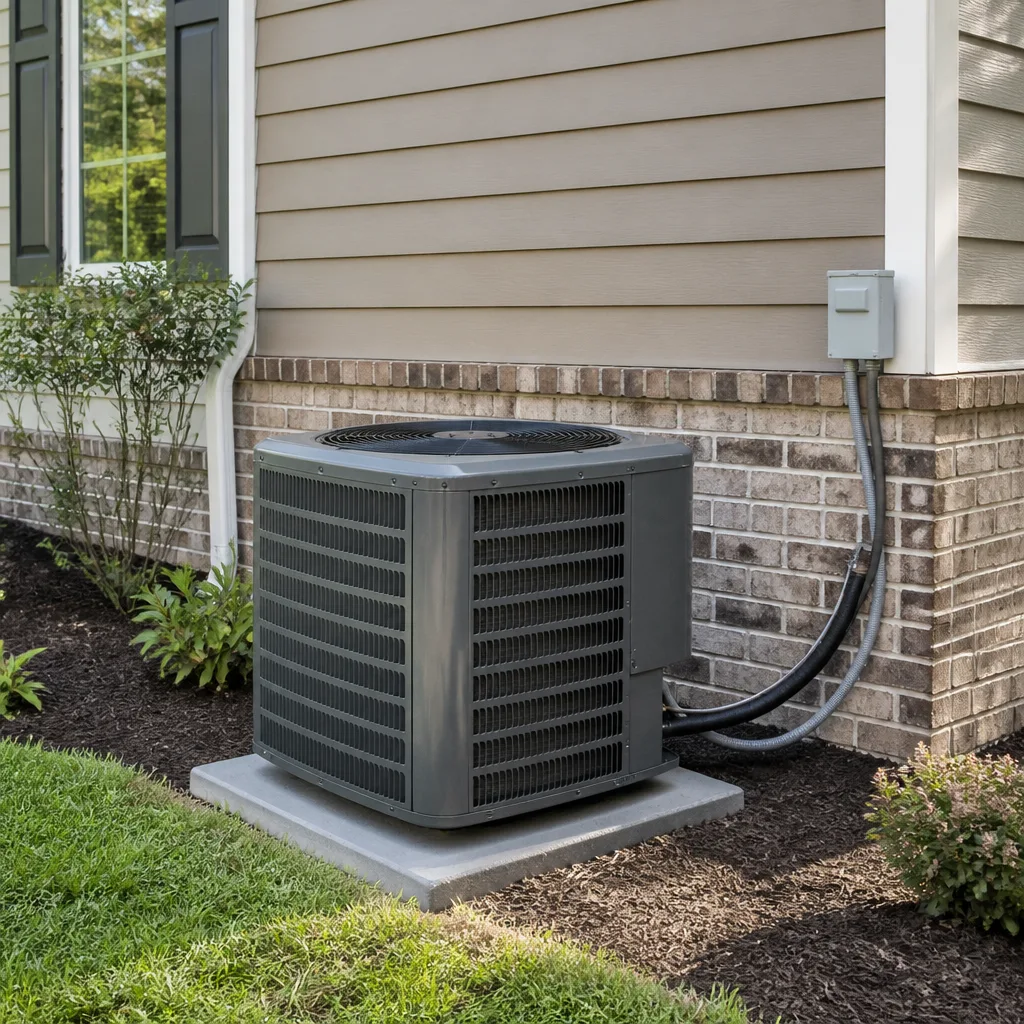 Goodman
Seasonal tune-up and full diagnostic on your Carrier, Trane, or Goodman system - readings shown to you before any repair is proposed
Diagnosis first, numbers second - you approve the repair price before a single part goes in.
Get your free estimateRheem Mini-Split Installation: The Brooklyn Owner’s Guide
Rheem mini-split installation in Brooklyn typically runs $3,500 to $7,500 installed, and we stock Rheem-compatible mounting hardware, line sets, and electrical components on our trucks for same-week scheduling. Most Brooklyn owners call us when a system that ran fine last season suddenly won’t cool, or when a new install was done poorly and the unit is leaking condensate onto a freshly painted wall. We also see a lot of Park Slope and Bay Ridge apartments where the original installer cut corners on the line set, and now the system loses refrigerant every spring.
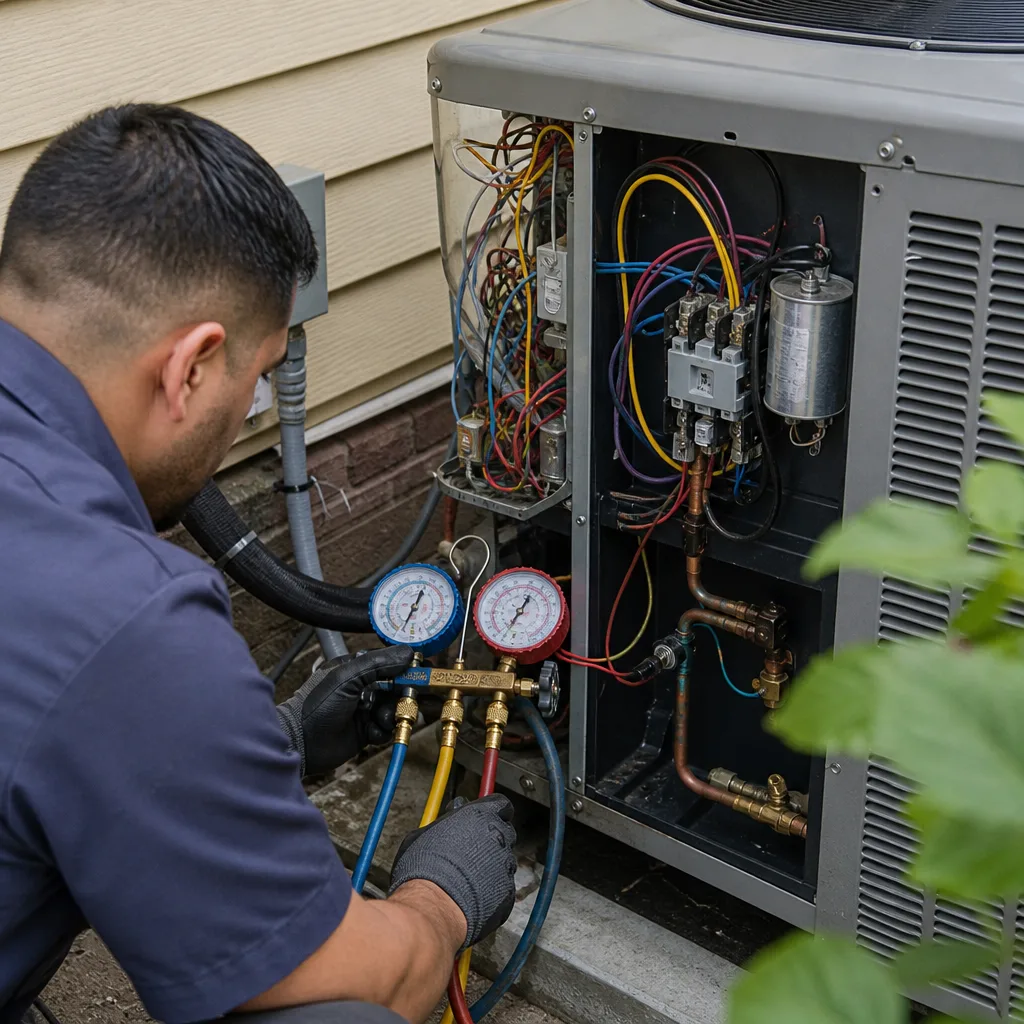
If your Rheem mini-split is blowing warm air, icing up at the indoor coil, or making a grinding noise from the outdoor unit, the installation itself is often the root cause, not the equipment. Poor flare connections, undersized wiring, or a condensate line pitched the wrong way will take down a perfectly good Rheem unit. That’s why Luis Serrano and our crew spend as much time inspecting how the system was hung and connected as we do testing the compressor.
Which Rheem Models This Applies To
We work on the full Rheem ductless lineup that Brooklyn homes actually use: the Classic Series (RASL-JEC, RASL-JEZ), the Prestige Series (RASL-JPZ), and the high-efficiency Endeavor Line (RASL-JNZ). Each series has its own mounting plate dimensions and flare fitting specs, and that’s where a lot of aftermarket installs go wrong.
Here’s the compatibility gotcha we see constantly in Brooklyn: Rheem’s Prestige and Endeavor indoor heads use a wider mounting plate than the Classic Series, so if someone orders a generic wall bracket thinking “it’s all the same,” the unit sits crooked or pulls away from the plaster. The line set fittings are another spot where generics fail. Rheem uses a specific flare angle and torque spec; a cheap flare tool usually produces a leak within two seasons. We carry OEM Rheem line sets and flare nuts on the truck, plus quality aftermarket brackets from Diversitech that actually match the Prestige plate footprint.
OEM vs aftermarket is a real decision for Rheem owners. We recommend OEM for anything that touches refrigerant or high voltage: line sets, flare nuts, control boards, inverter boards. For mounting hardware, condensate pumps, and decorative line covers, a quality aftermarket equivalent is usually fine and costs less. The important part is that it’s matched to the right series, not just “Rheem mini-split.”
Styles & brands we work with
Signs Your Rheem Mini-Split Installation Is Failing
- Water running down the wall under the indoor head. The condensate line is either pitched the wrong way or clogged with the dust and lint that Brooklyn’s older buildings are full of. The fix is usually re-pitching the drain and flushing the line, but we’ve also found installs where the drain line was never connected at all.
- The unit cools for an hour, then blows warm air. This is the classic slow refrigerant leak from a bad flare fitting. The system starts with enough charge, then drops below the pressure threshold and the compressor cycles off. It’ll get worse every week.
- Ice forming on the indoor coil or the copper lines outside. Low refrigerant or restricted airflow, often from a kinked line set behind the wall. In Brooklyn brownstones, we regularly find line sets pinched between floor joists because the original installer pulled them too tight.
- A loud buzzing or clicking from the outdoor unit when it starts. The electrical disconnect or the wiring to the inverter board is undersized or loose. This is a fire hazard and should be checked immediately, not left for next season.
- The indoor unit sags away from the wall or rattles when the fan runs. The mounting plate wasn’t anchored into a stud, or it’s the wrong plate for that Rheem series. Over time the unit pulls the anchors out of the drywall and you can see daylight behind it.
See the difference
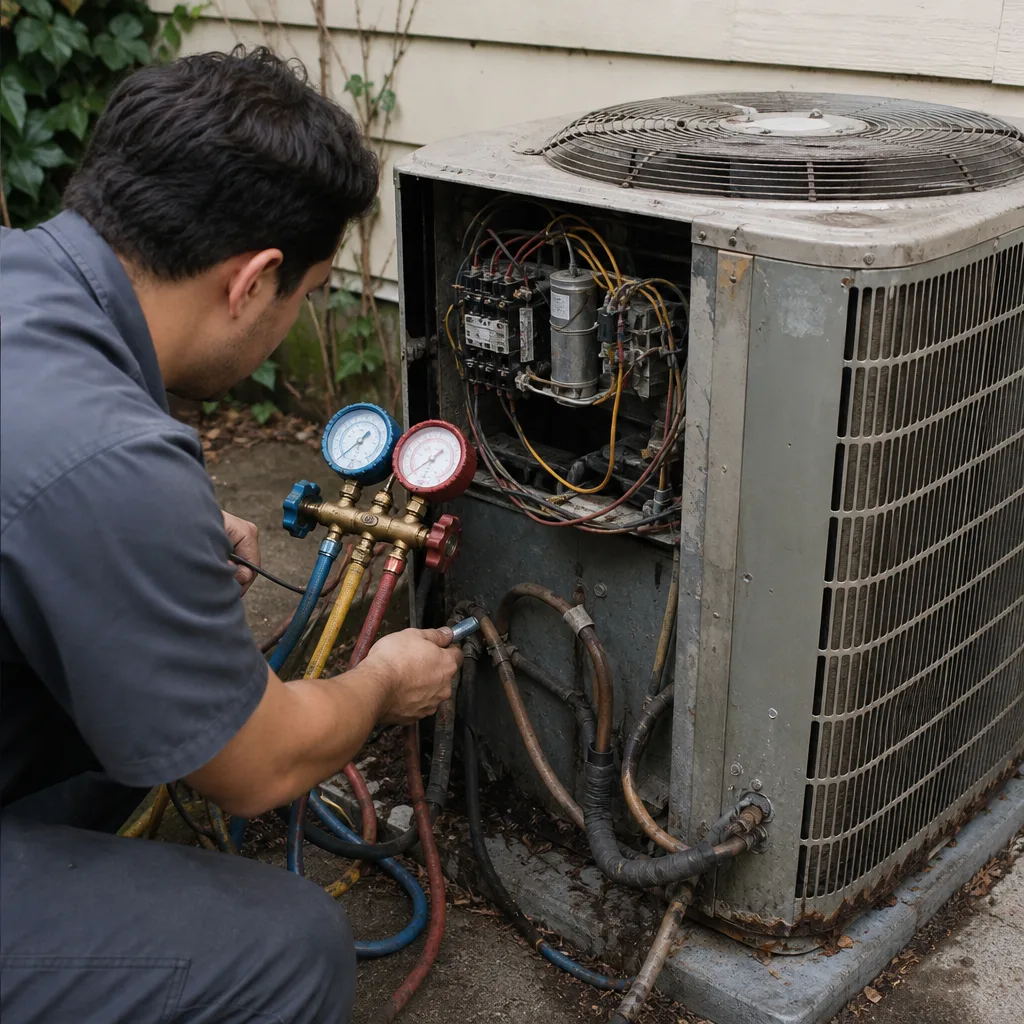 Before
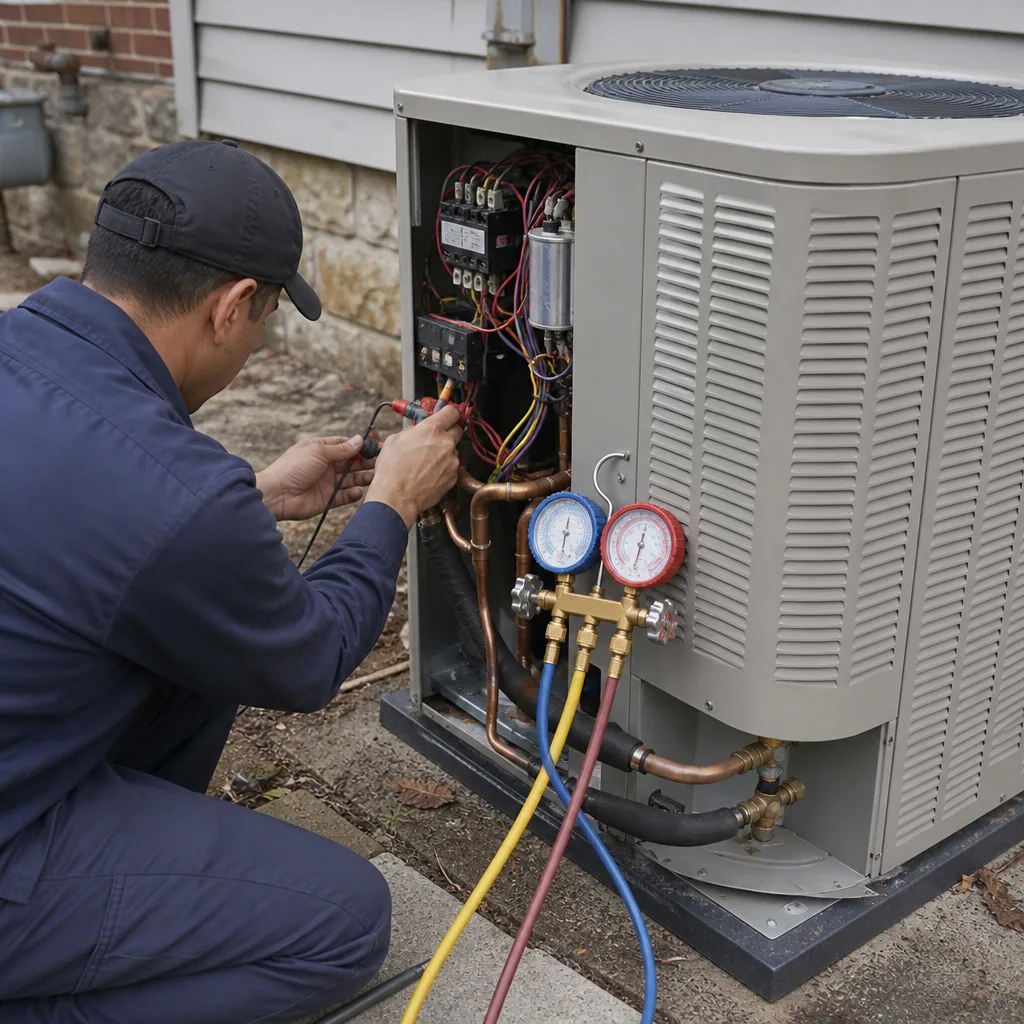 After
After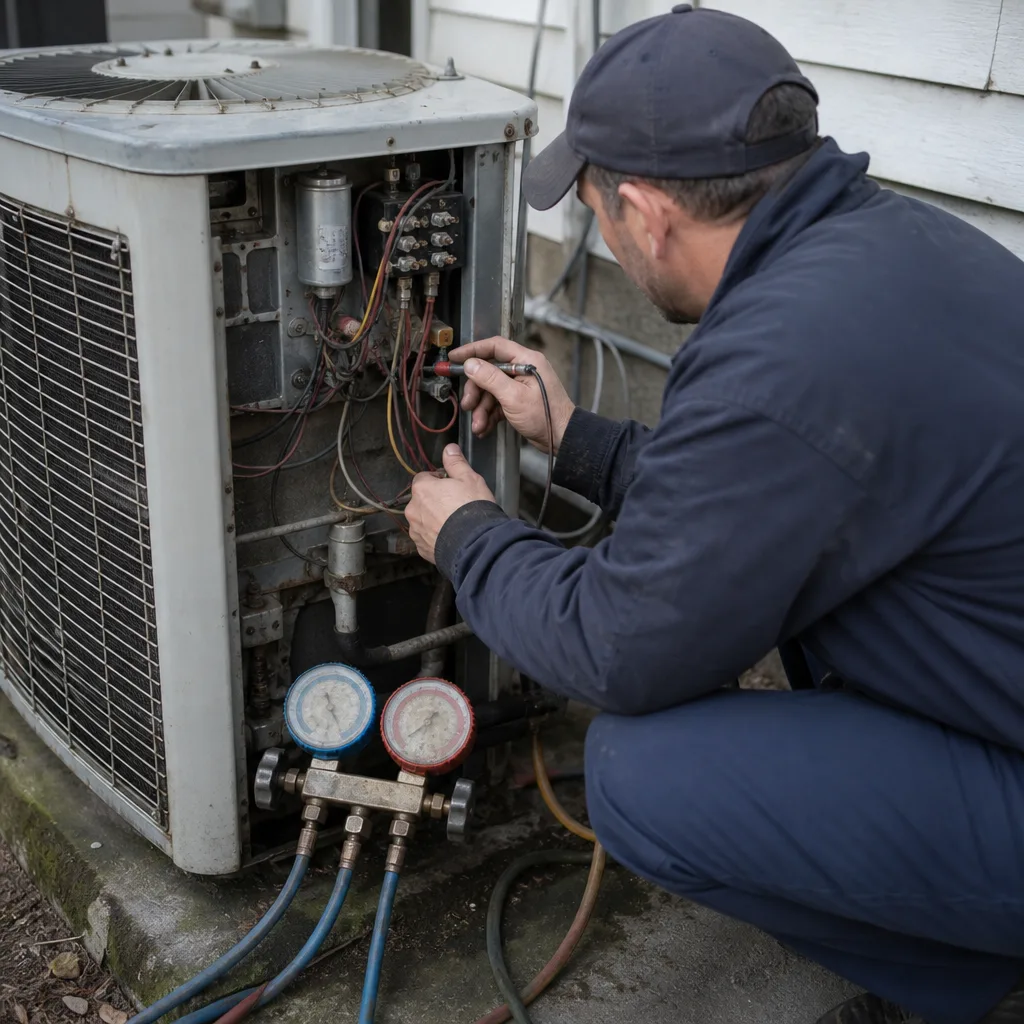 Before
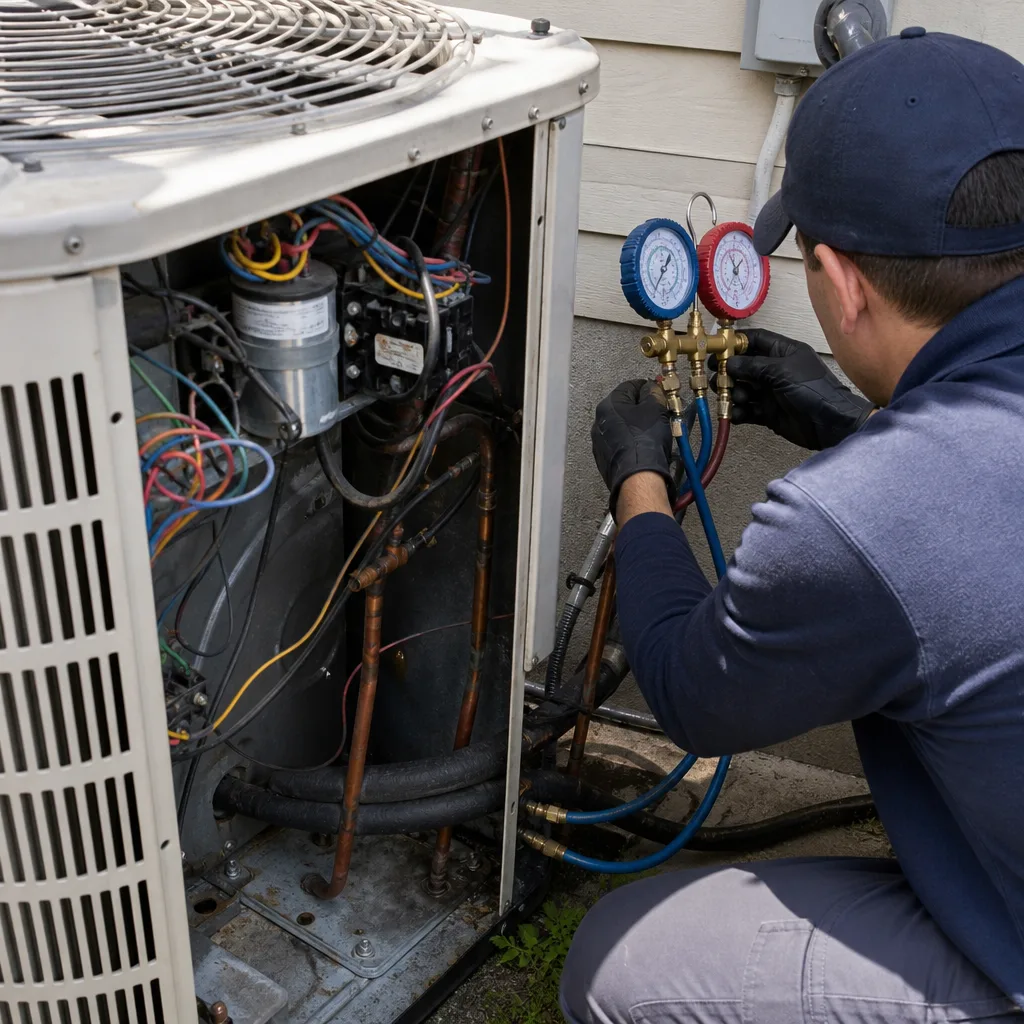 After
After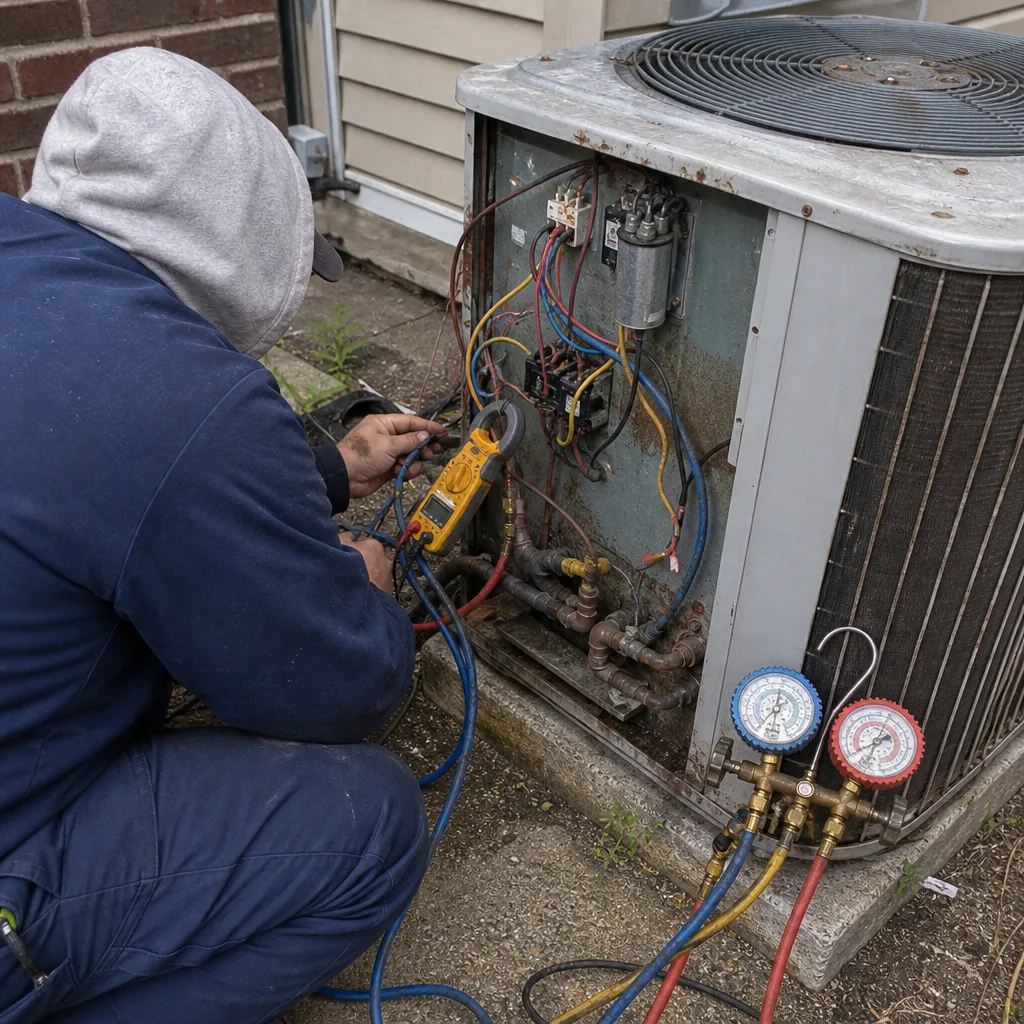 Before
 After
AfterReplacement Cost & What’s Included
A Rheem mini-split installation in Brooklyn runs $3,500 to $7,500 installed, depending on the size of the system, the number of indoor heads, and whether we’re doing a clean new install or fixing a bad one. A single-zone 12,000 BTU Classic Series install in a Park Slope bedroom is toward the low end. A three-zone Prestige system with line sets run through three rooms of a Crown Heights rowhouse is toward the high end.
That price includes the written price before we start, the indoor head and outdoor unit, the copper line set, the condensate drain system, the electrical disconnect, and the pad or wall mount for the outdoor unit. It also includes our crew protecting your floors with drop cloths and shoe covers on every visit, and a photo of the clean-up sent before they leave. We don’t charge extra to clean up, and we won’t leave the old unit sitting on your stoop.
Every install is backed by the 365-Day Done Right Promise: if it’s not done right, we make it right. And because we’re part of the Cedarwell family of HVAC companies, founded in 2004, the care standard is a system, not a mood. Luis Serrano checks every completed Rheem install in Brooklyn personally.
DIY or Call Us?
Mini-split installation involves refrigerant handling, 220-volt electrical connections, and drilling through exterior walls. Refrigerant lines carry pressure high enough to cause frostbite burns, and the electrical side can kill you if the disconnect isn’t wired correctly. This is not a job for a YouTube video. Even mounting a unit on a wall that looks straightforward gets dangerous fast when the drill hits brick or the bracket spans a stud gap.
What you can safely do: check that the air filter is clean, confirm the breaker is on, and look for obvious water stains or sagging brackets. If any of those are off, call us at (315) 873-2984. We serve all of Brooklyn, from Williamsburg to Sheepshead Bay, and a live person answers the phone 24 hours a day. We’ll tell you over the phone whether it’s likely a repair or a reinstall, and we’ll give you a written price before we touch anything.
FAQs
A properly installed Rheem mini-split in Brooklyn should last 15 to 20 years, but a bad flare or an undersized electrical connection can cut that in half. The equipment is built to last; the installation quality is what decides it. Call (315) 873-2984 for an honest look at your current install.
Yes, often we can fix a bad flare, re-pitch a condensate line, or correct the electrical wiring without replacing the unit, and repair work runs $150 to $650. If the equipment itself is sound, the repair makes more sense than a full reinstall.
A single-zone install in Brooklyn usually takes one full day, including the electrical and the clean-up. A multi-zone system with three or more heads can take two to three days, depending on how the line sets have to be run through the walls and floors. We’ll give you a set schedule and a firm price before the crew arrives.
We stock Rheem-specific mounting plates, line sets, flare nuts, condensate pumps, and electrical disconnects on our trucks, and we can order OEM Rheem control boards and inverter boards same-week. We also carry parts for Carrier, Trane, and Lennox systems when a Brooklyn building has mixed equipment. Tell us your Rheem model number when you call and we’ll confirm what’s on the truck before we head out.
Written by Luis Serrano, Owner, Meadowsweet Heating and Air Brooklyn at Meadowsweet Heating and Air Brooklyn, serving Brooklyn and nearby areas.