
 AC repair
 Furnace & heating
 Heat pumps
 Ductless mini splits
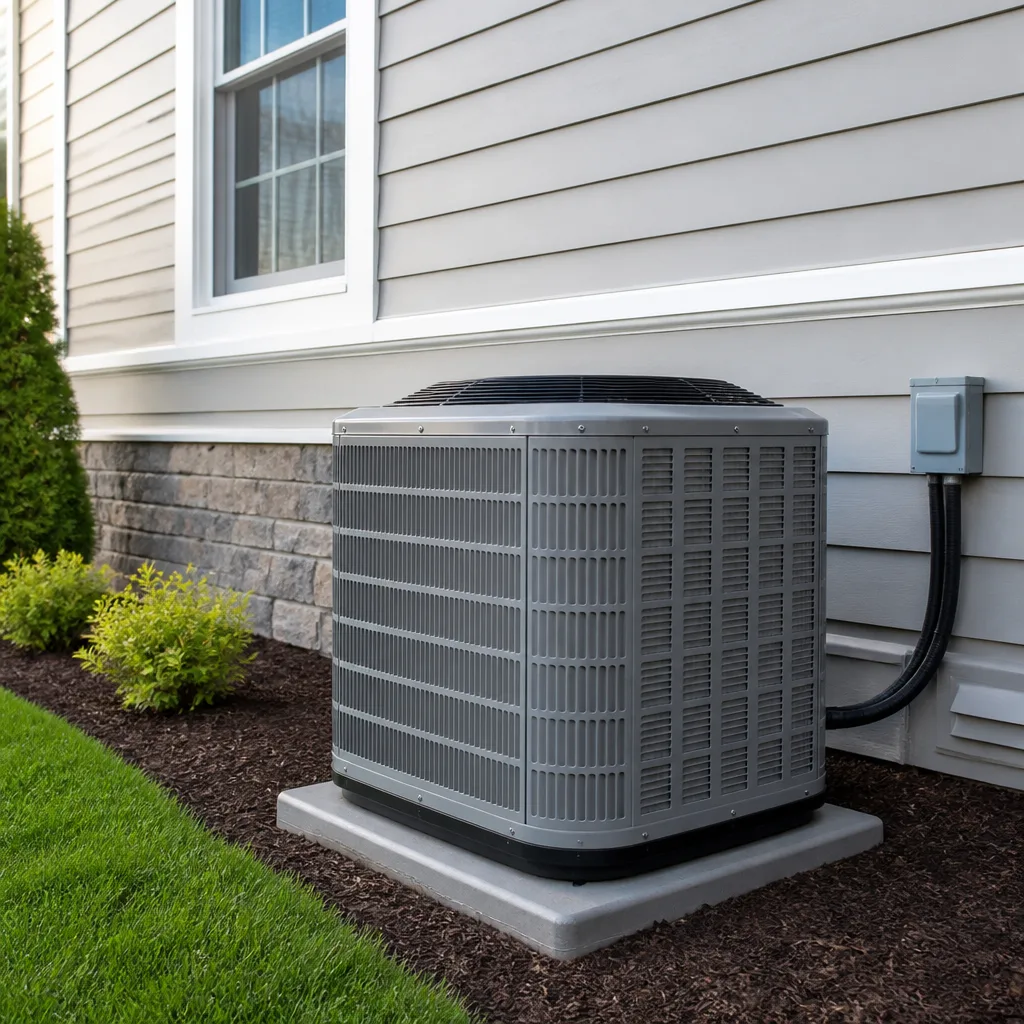 Carrier
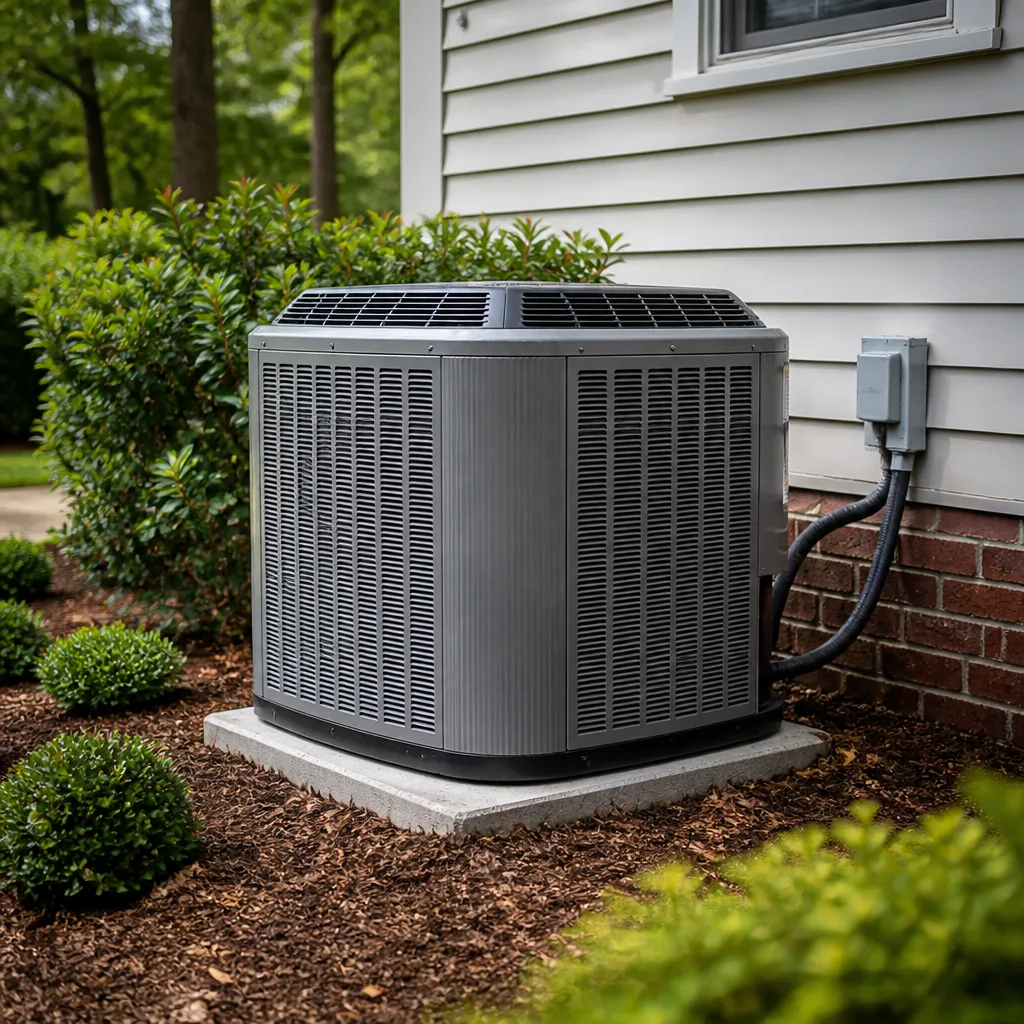 Trane
Trane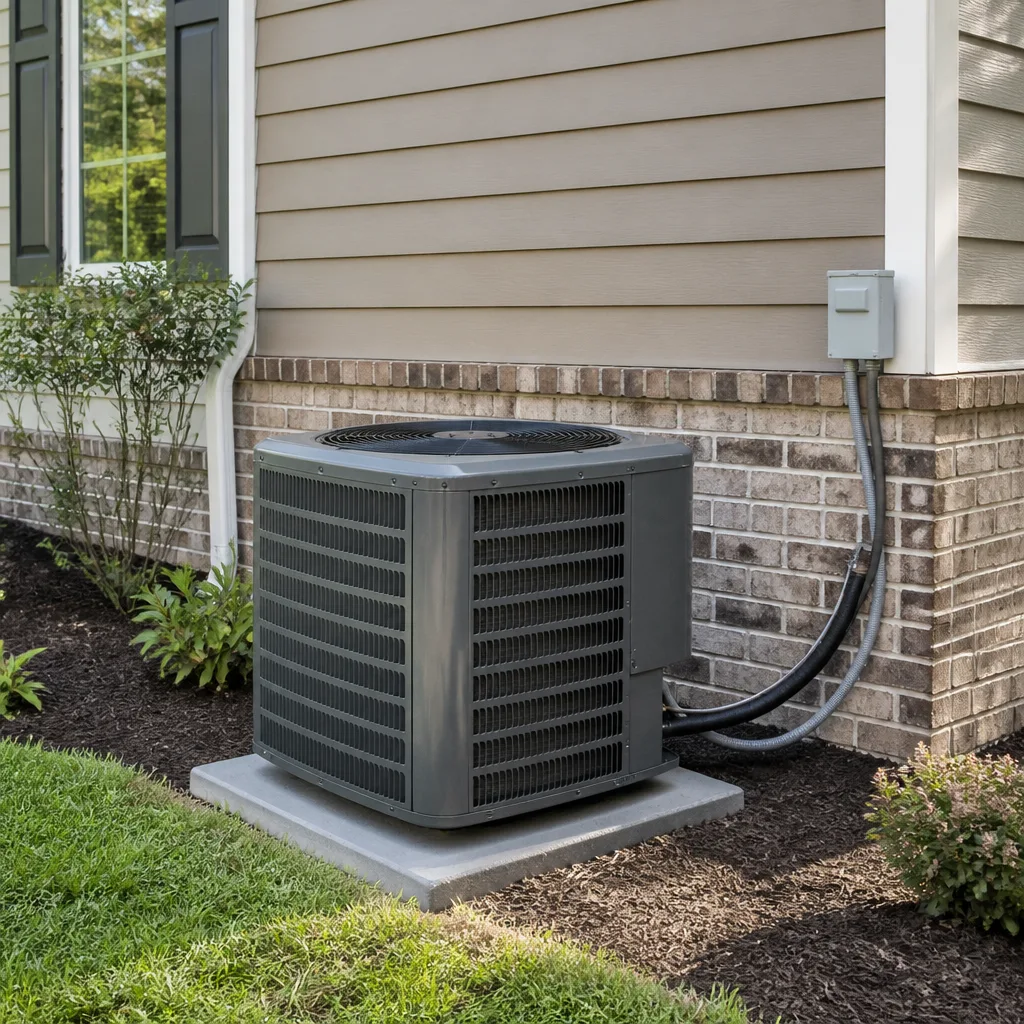 Goodman
Seasonal tune-up and full diagnostic on your Carrier, Trane, or Goodman system - readings shown to you before any repair is proposed
Diagnosis first, numbers second - you approve the repair price before a single part goes in.
Get your free estimateTrane Ductwork Repair: The Brooklyn Owner’s Guide
Ductwork repair on a Trane system in Brooklyn typically runs $350 to $1,800 depending on what failed. We stock Trane-compatible duct fittings, collars, and flex duct on our trucks, and our crews can usually complete a standard repair the same day we arrive. You’ll get a written price before any work starts, so there’s no guessing about where the numbers land.
Most Brooklyn homeowners discover ductwork trouble the same way: one room feels like a sauna while the hallway stays cool, or a bedroom at the back of a Crown Heights rowhouse never quite reaches the thermostat setting. You might notice a slightly mustier smell pushing through the registers on humid August days, or a soft whistling sound behind a wall when the blower cycles on. What you’re hearing is conditioned air escaping through a separated joint or a rusted-through section before it ever reaches the room. It’s a common issue in Brooklyn housing stock, where duct runs often thread through unconditioned spaces like attics, drop ceilings, and crawl spaces that swing from freezing to humid through the year.
We’re an independent service provider, not affiliated with Trane. That said, Trane equipment is one of the nine major brands we service every week, and we know the specific ductwork quirks that show up on Trane systems in New York City’s climate.
Which Trane Models This Applies To
Ductwork repair isn’t tied to a single Trane model line – it applies to any Trane furnace, air handler, heat pump, or AC unit that pushes air through ducts. The equipment matters less than the duct layout itself. Where we see model-specific differences is in the connection points and airflow demands of Trane systems.
Trane’s XV and XL series air handlers, for instance, tend to run at higher static pressures than the entry-level XR or XB lines. That means a marginal seam that holds fine on a lower-pressure system will tear open or whistle on a Trane XV20i heat pump, which is one of the highest-static units in residential ducting. If your ductwork was originally sized for an older, weaker blower and someone dropped in a new Trane variable-speed system without replacing the duct runs, that’s a common source of the whistling and hot-spot symptoms we’re describing.
Another Trane-specific gotcha: the plenum connection at the air handler cabinet. Trane air handlers ship with a slightly different cabinet opening dimension than a Goodman or Lennox of the same tonnage, so when a replacement system goes in, installers sometimes need a transition collar that’s field-fabricated. If that transition was done with foil tape and a prayer, it’s the first place we check. In Brooklyn’s humidity, foil tape eventually dries out and peels back, especially in unconditioned attics in neighborhoods like Flatbush where summer attic temps hit 130 degrees.
For parts, we stock take-off collars, duct mastic, galvanized sheet, insulated flex duct, and damper assemblies that match Trane’s specifications. We use OEM parts when the component is proprietary (like a Trane zoning damper insert), and we’ll install a quality aftermarket equivalent for generic items like flex duct and collars when it saves you money without changing performance. We’ll always tell you which is which before you decide.
Styles & brands we work with
Signs Your Trane Ductwork Repair Is Failing
- Hot or cold spots between rooms by more than 3-4 degrees. This usually points to a collapsed duct run, a separated joint, or a damper stuck in the wrong position. The room closest to the air handler feels great; the room at the end of the run feels like a different apartment.
- Whistling or hissing noise during blower operation. Air escaping through a loose seam or a torn flex-duct inner liner makes a high-pitched sound. It often starts quiet and gets louder as the gap widens, because the escaping air erodes the edges.
- Dust streaks or dark smudges around ceiling registers. When a duct joint pulls loose, air leaks out and pulls dirty attic or wall-cavity air back in around the register opening. The streaks are literally filtered dust caught on the register diffuser.
- Higher electric bill with no change in thermostat habits. Your Trane blower is paying to condition air that never reaches you. A 20% duct leak can add 10-15% to a Brooklyn summer electric bill without you touching the thermostat once.
- Musty or damp-smelling air when the system first kicks on. A torn liner or a rusted-through section lets humid Brooklyn air into the duct run. When the blower fires up, it pushes that damp air through every register in the house.
See the difference
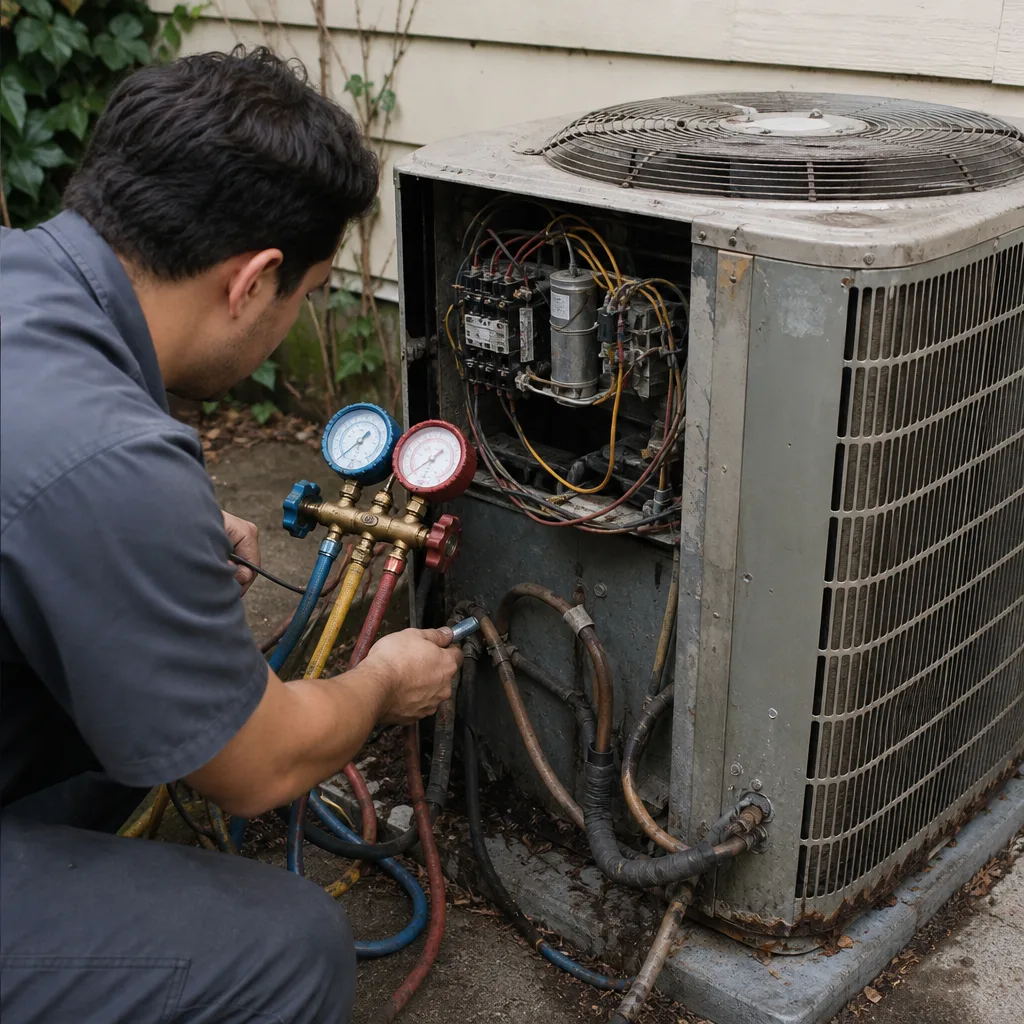 Before
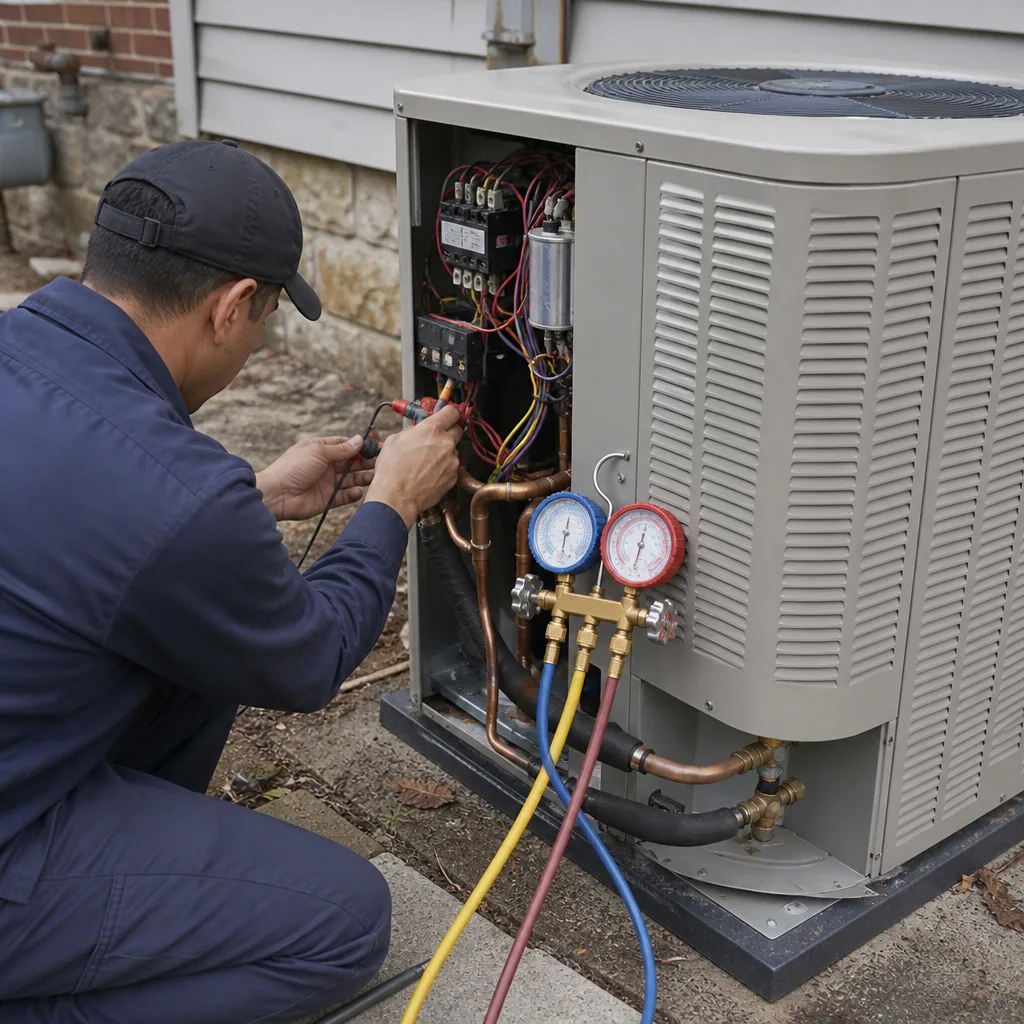 After
After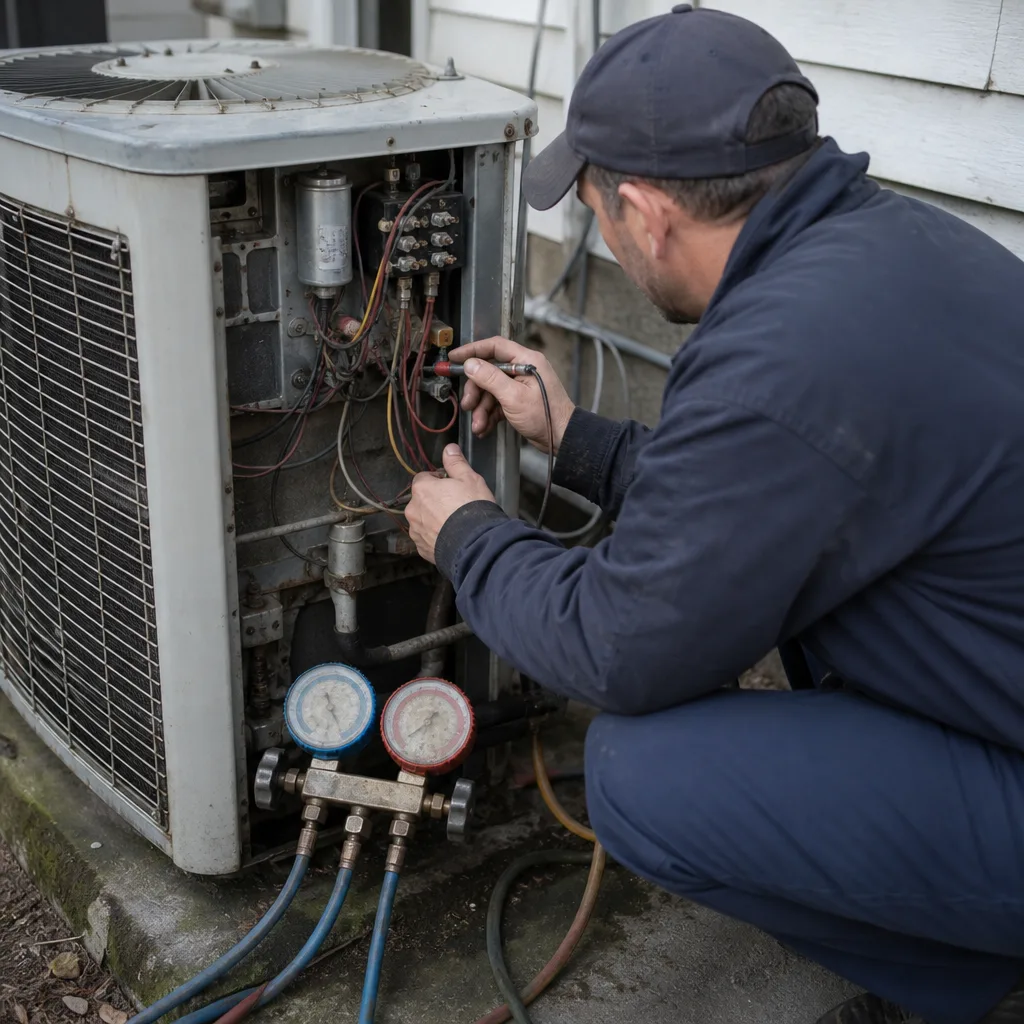 Before
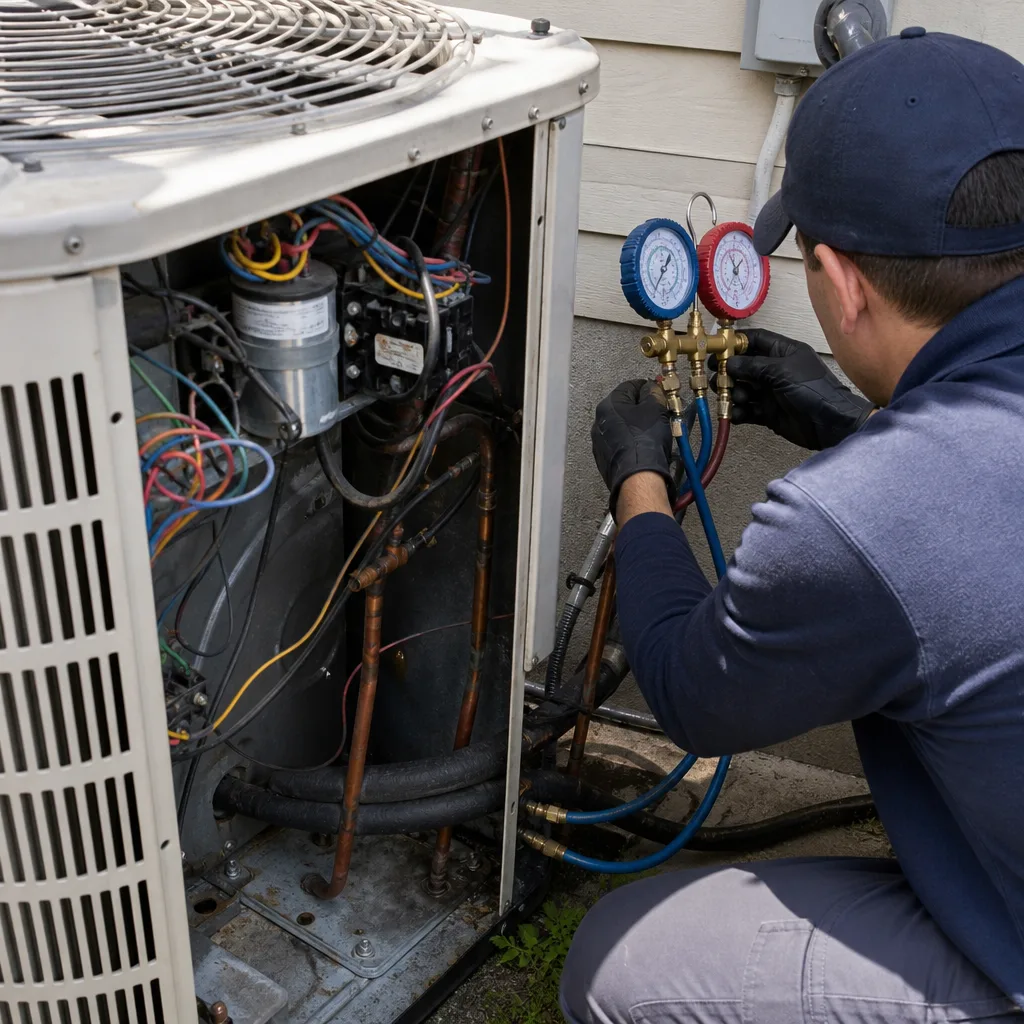 After
After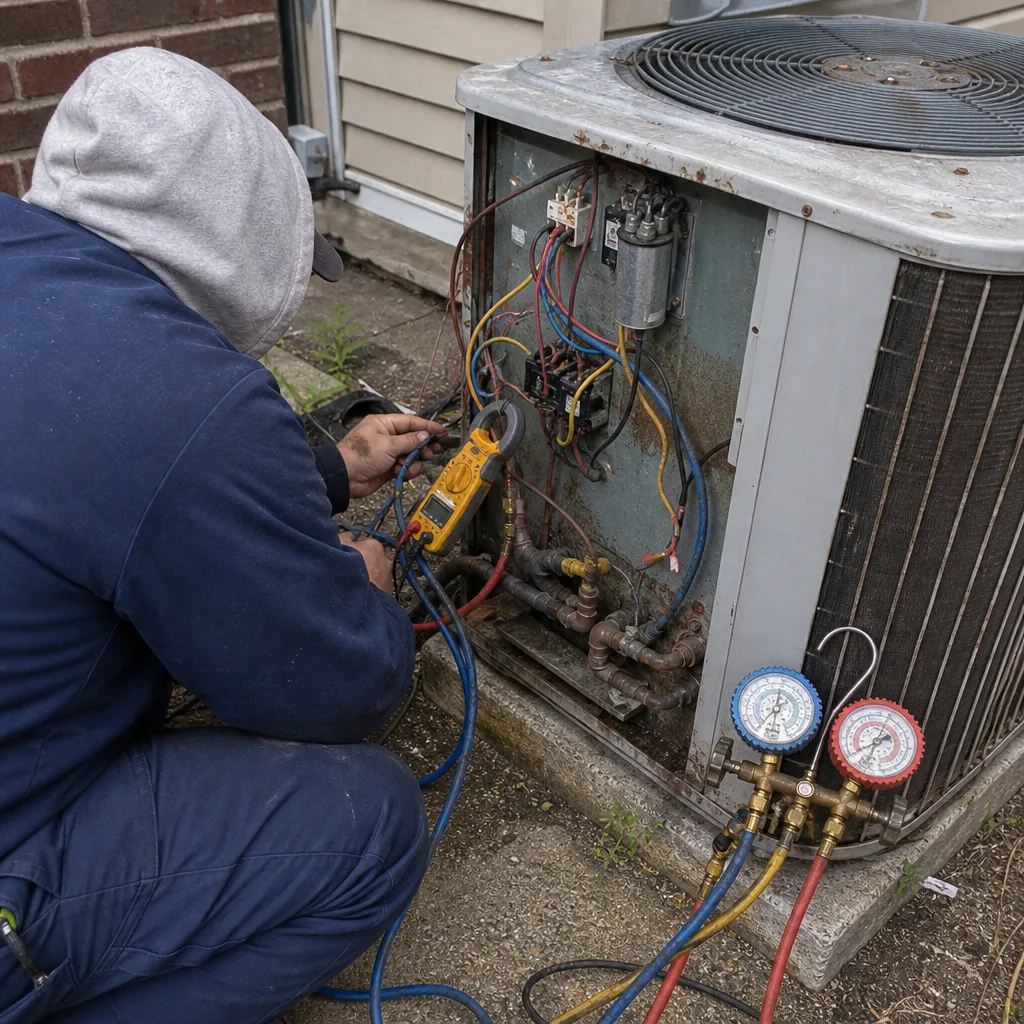 Before
 After
AfterReplacement Cost & What’s Included
Here’s where ductwork repair costs land for Trane systems in Brooklyn, based on what we actually see in the field:
- Simple collar or take-off repair: $150-$350. We remove the loose fitting, clean the surfaces, re-secure with mechanical fasteners, and seal with mastic. This usually takes under an hour.
- Flex duct section replacement (5-10 feet): $250-$600. Includes new insulated flex duct, two collars, mastic sealing, and hanging straps.
- Plenum or transition collar repair at the Trane air handler: $300-$750. Involves sheet metal work, removal of old tape and failed sealant, and fabricating a proper transition if the original was field-bodged.
- Multiple-run duct replacement or zoning damper replacement: $500-$1,800. This is the big one. It happens more often in older Brooklyn homes where ductwork predates the current Trane system by decades.
Every quote from Meadowsweet Heating and Air Brooklyn includes the part, labor, and cleanup. You get a written price before we touch anything, and the work is backed by our 365-Day Done Right Promise. If the repair doesn’t hold or we missed something, we come back and make it right. No runarounds.
One thing that drives the price in Brooklyn specifically: access. If your duct run is in a crawl space with 18 inches of clearance or behind a finished plaster ceiling, the labor climbs. We’ll tell you that on the phone before we even book the visit.
DIY or Call Us?
There’s a version of duct repair a careful homeowner can do, and there’s a version that should never be attempted without a trained technician. Let’s be straight about both.
What you can check safely: Walk the length of visible duct in your basement or attic. Look for obvious separations at seams, fallen sections that pulled away from a collar, or crushed flex duct. If you find a register that’s blowing strong but a room that stays hot, close a few other registers slightly to see if that shifts the balance. These are diagnostic steps, not repairs, and they help you describe the problem to us accurately.
What should stay with a pro: Any repair inside finished walls or ceilings, anything involving the plenum connection at your Trane air handler, zoning damper replacement, or any section that requires working in a confined attic or crawl space. Cutting into a pressurized duct wrong leaks conditioned air into places you can’t see. Crawl spaces in Brooklyn brownstones can hide nails, old knob-and-tube wiring, and other hazards. And a fall through a plaster ceiling is not a repair bill, it’s a hospital bill.
If you found something and you’re not sure, call (315) 873-2984. We’ll talk it through on the phone with you before we ever schedule a truck. A live person answers, not a voicemail queue.
FAQs
Most galvanized ductwork lasts 40-60 years, but flex duct liner typically degrades within 15-20 years in Brooklyn’s humidity cycles. The real determinant is whether the original installation was sealed properly. If the seams and collars were taped instead of mastic-sealed, the tape fails within 5-10 years. Call (315) 873-2984 and we’ll tell you what we’re seeing in your neighborhood.
Yes, in about 80% of cases we repair only the failed section. A separated joint, a torn flex run, or a rusted collar can be fixed without touching the rest of the ductwork. Full replacement only makes sense when the duct is crushed, crimped, or lined with mold. We’ll show you what we found and give you both options with prices before any work starts.
Most standard repairs take 2-4 hours from arrival to done. A simple collar reseal might be 45 minutes. A multiple-run flex replacement in a tight Brooklyn attic could run 6-8 hours. We’ll give you a time range when we schedule, and your crew will call with an ETA before they arrive.
We stock common Trane-compatible duct fittings, collars, mastic, and flex duct on every service truck. If your repair needs a proprietary Trane zoning damper insert or an uncommon plenum size, we’ll order it and come back within a few days. We’ll tell you on the first visit which situation you’re in. Call (315) 873-2984 for an exact answer about your system.
If your Trane system isn’t moving air the way it used to, or one room is always the wrong temperature, call us at (315) 873-2984 for a free estimate. We’ll send a uniformed, background-checked technician who’ll tell you exactly what’s wrong and what it costs before any work begins. Shoe covers go on at the door, drop cloths go down where we work, and you get a photo of the cleanup before the crew leaves. Luis Serrano and the team at Meadowsweet Heating and Air Brooklyn treat your ductwork the way we’d treat our own – which means we fix it right the first time, or we come back and fix it for free.
Written by Luis Serrano, Owner, Meadowsweet Heating and Air Brooklyn at Meadowsweet Heating and Air Brooklyn, serving Brooklyn and nearby areas.