
 Furnace & heating
 AC repair
 Heat pumps
 Ductless mini splits
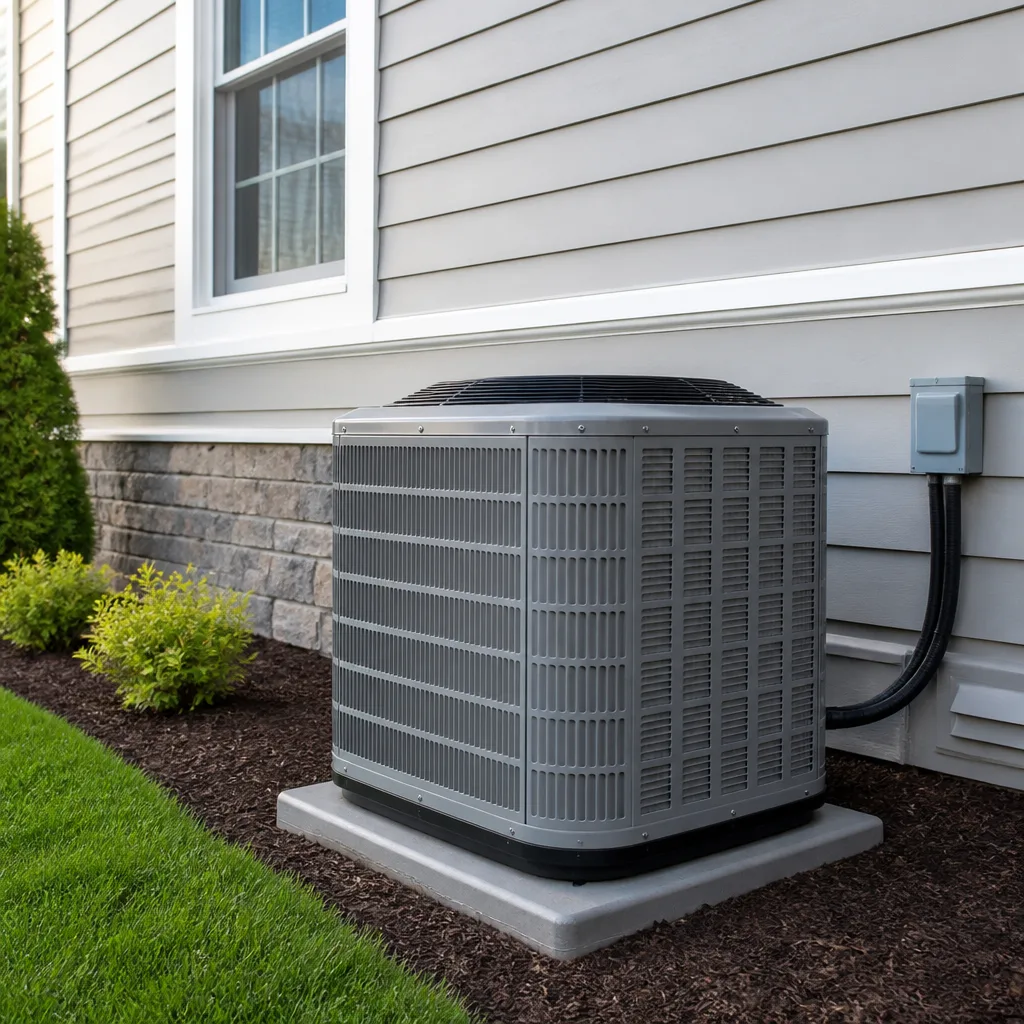 Carrier
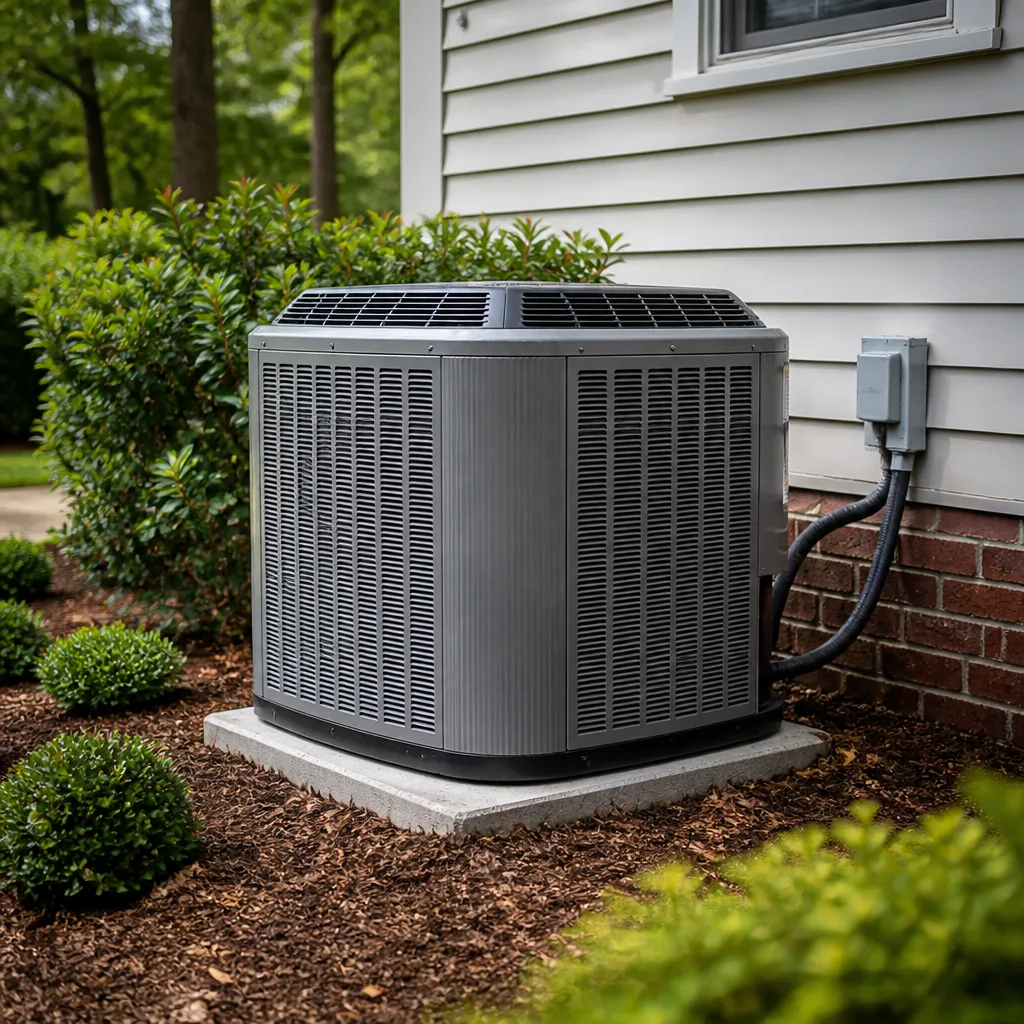 Trane
Trane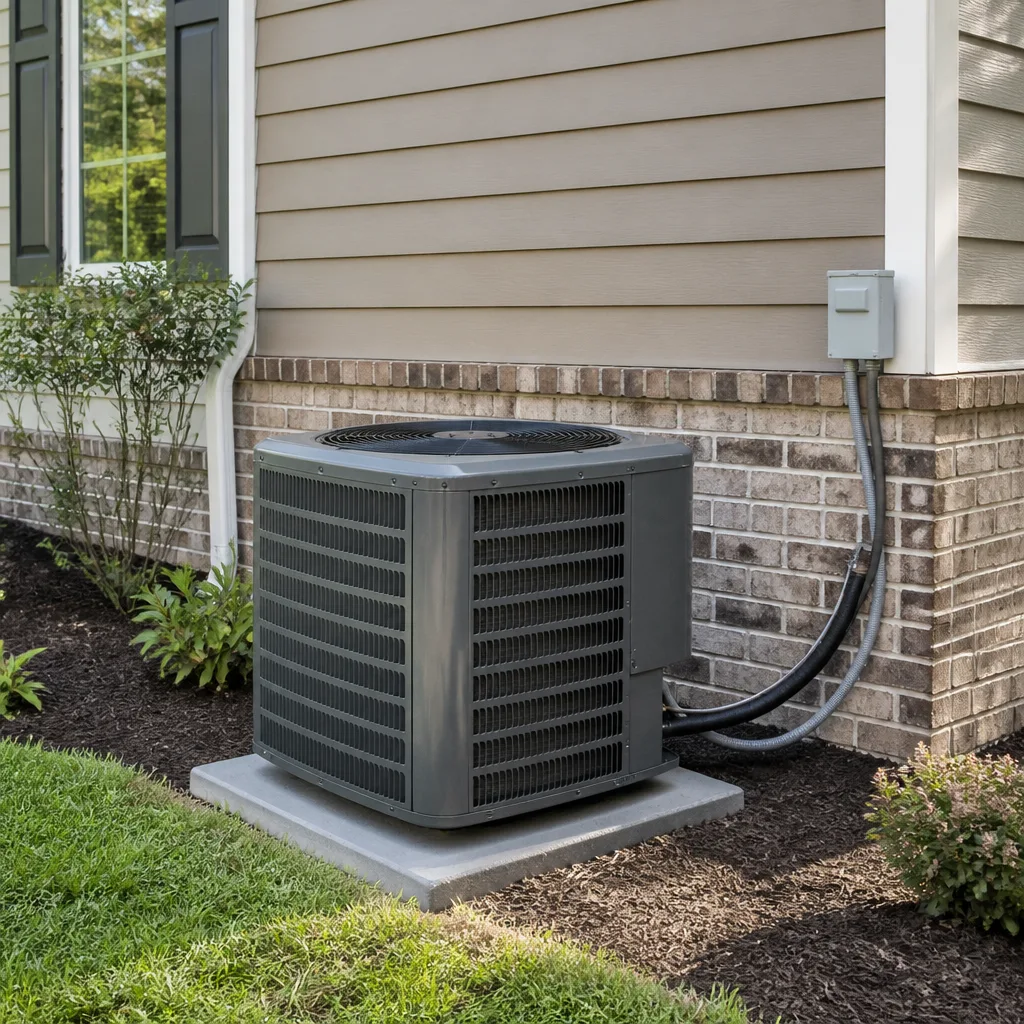 Goodman
Seasonal tune-up and full diagnostic on your Carrier, Trane, or Goodman system - readings shown to you before any repair is proposed
Diagnosis first, numbers second - you approve the repair price before a single part goes in.
Get your free estimateCarrier Capacitor Replacement: The Brooklyn Owner’s Guide
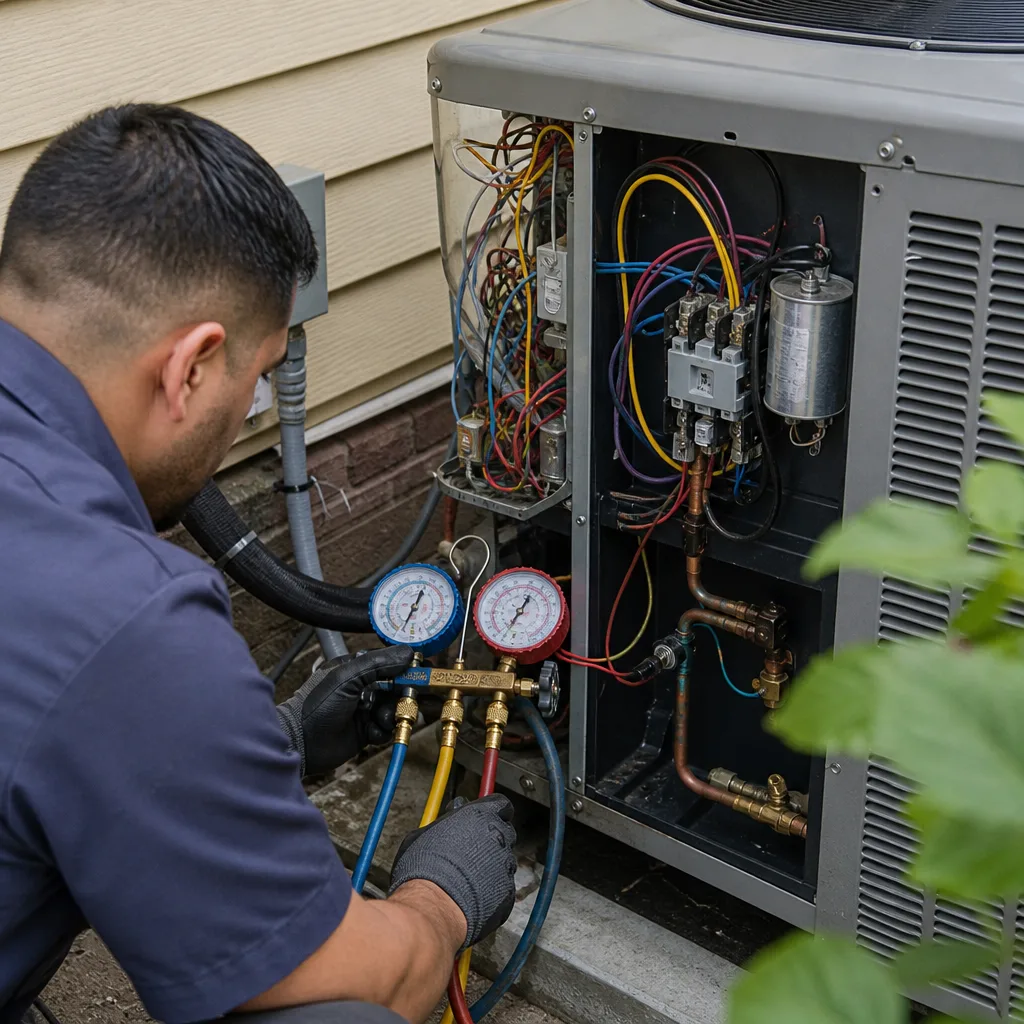
A Carrier capacitor replacement in Brooklyn typically runs $180 to $340 installed when we handle it, and most calls are done the same day or next morning because we keep common Carrier-rated capacitors on the truck. The capacitor is a small cylinder inside your condenser or air handler that stores and releases the electrical burst needed to start the compressor and fan motor. When it fails, you usually notice it first as a hum followed by nothing, or a system that clicks at the thermostat but never blows cold air.
We’re an independent service provider, not affiliated with Carrier, but we work on Carrier equipment in Brooklyn every week, from Crown Heights brownstones to high-rise apartments near Downtown. When a capacitor goes, it tends to go in July, right when the condenser on the roof has been cooking all afternoon. That’s just how Brooklyn summers work.
Which Carrier Models This Applies To
Carrier uses capacitors across nearly every residential line we see in Brooklyn: the Comfort series, Performance series, Infinity systems, and older Builders and WeatherMaker units that are still running in prewar buildings and midcentury rowhouses. The capacitor itself is not model-specific the way a control board is. It’s selected by voltage and microfarad (µF) rating, which is stamped right on the side of the existing capacitor.
Most Carrier condensers in this market take a dual-run capacitor, usually rated 35/5 µF or 40/5 µF at 370 or 440 volts. The two numbers matter: the larger handles the compressor, the smaller handles the condenser fan. A common compatibility gotcha we run into in Brooklyn is a carrier unit that calls for a 370-volt capacitor and someone installs a 440-volt as a “safe upgrade,” which is usually fine electrically, but a 440 where a 370 was specified can change how the motor starts in older wiring. We match to the label, not the habit. For Carrier specifically, we prefer OEM or OEM-equivalent capacitors like those from AmRad or Titan HD, which hold up better against the heat and line-voltage fluctuations we see in older Brooklyn panels.
Styles & brands we work with
Signs Your Carrier Capacitor Is Failing
- Humming, no start. The compressor or fan tries to kick on and you hear a low hum for a few seconds, then silence. The capacitor has lost the ability to give the motor its starting jolt and the motor is stalling against the load.
- Weak or delayed cooling on hot afternoons. The capacitor is drifting below its rated microfarads, so the compressor starts sluggishly or runs hotter than it should. You’ll feel the air get lukewarm around 3 p.m. when the roof unit is heat-soaked.
- Random shutoffs. An aging capacitor can’t hold its charge consistently, so the compressor trips off mid-cycle. The system might restart ten minutes later like nothing happened, then trip again.
- Visible swelling or leaking. A healthy capacitor is a clean cylinder with a flat top. When the top domes upward or you see oily residue around the terminals, it has overheated and vented. That’s a dead part, not a maybe.
- Fan spinning slowly or not at all. On a dual-run capacitor, the fan side can fail while the compressor side still limps along. You’ll see the fan barely turning or stopped while the unit runs hot.
See the difference
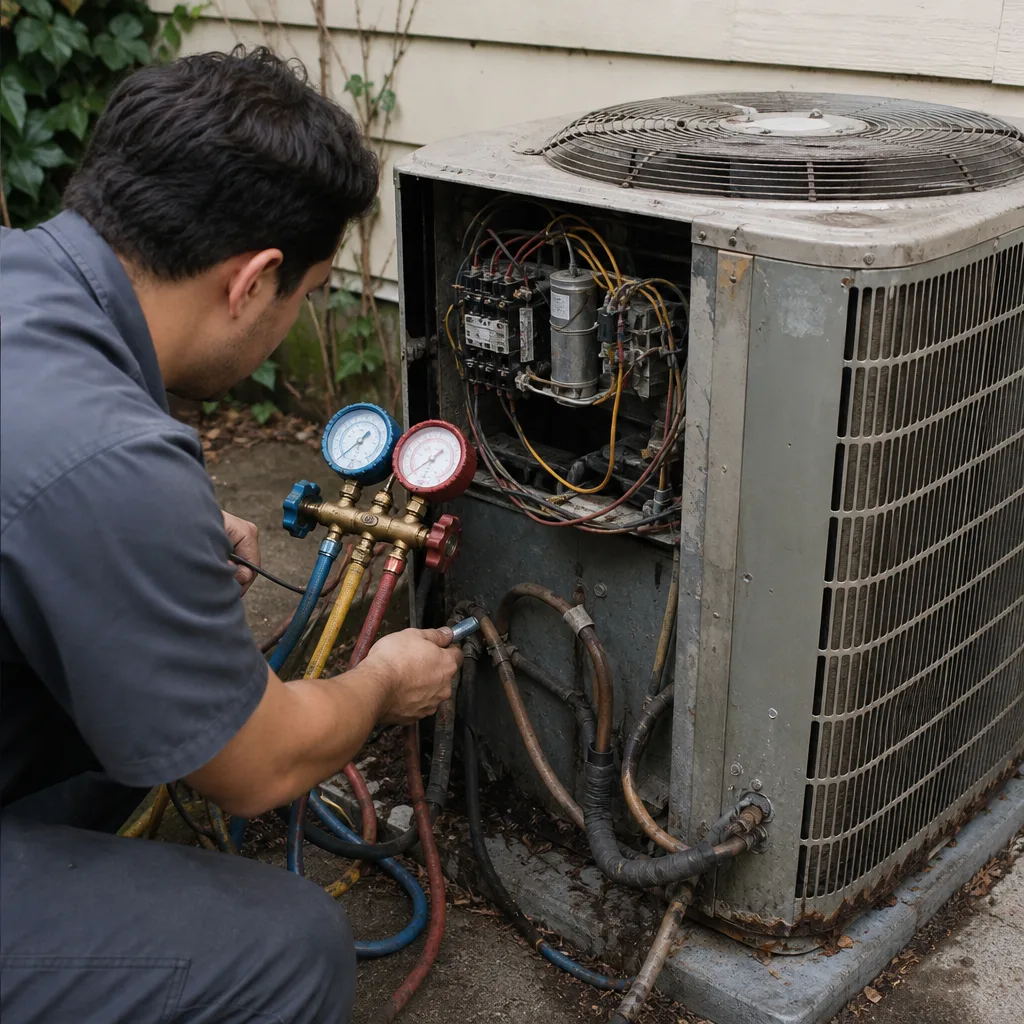 Before
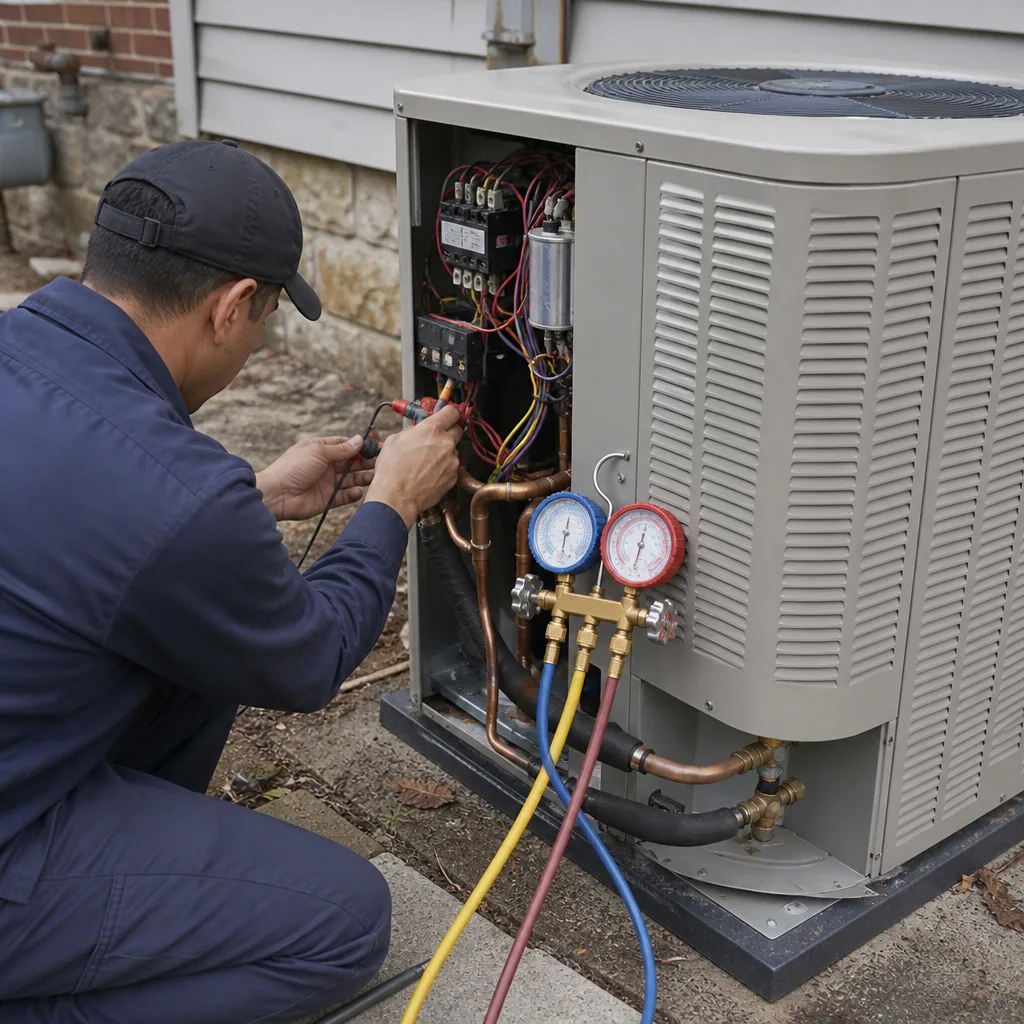 After
After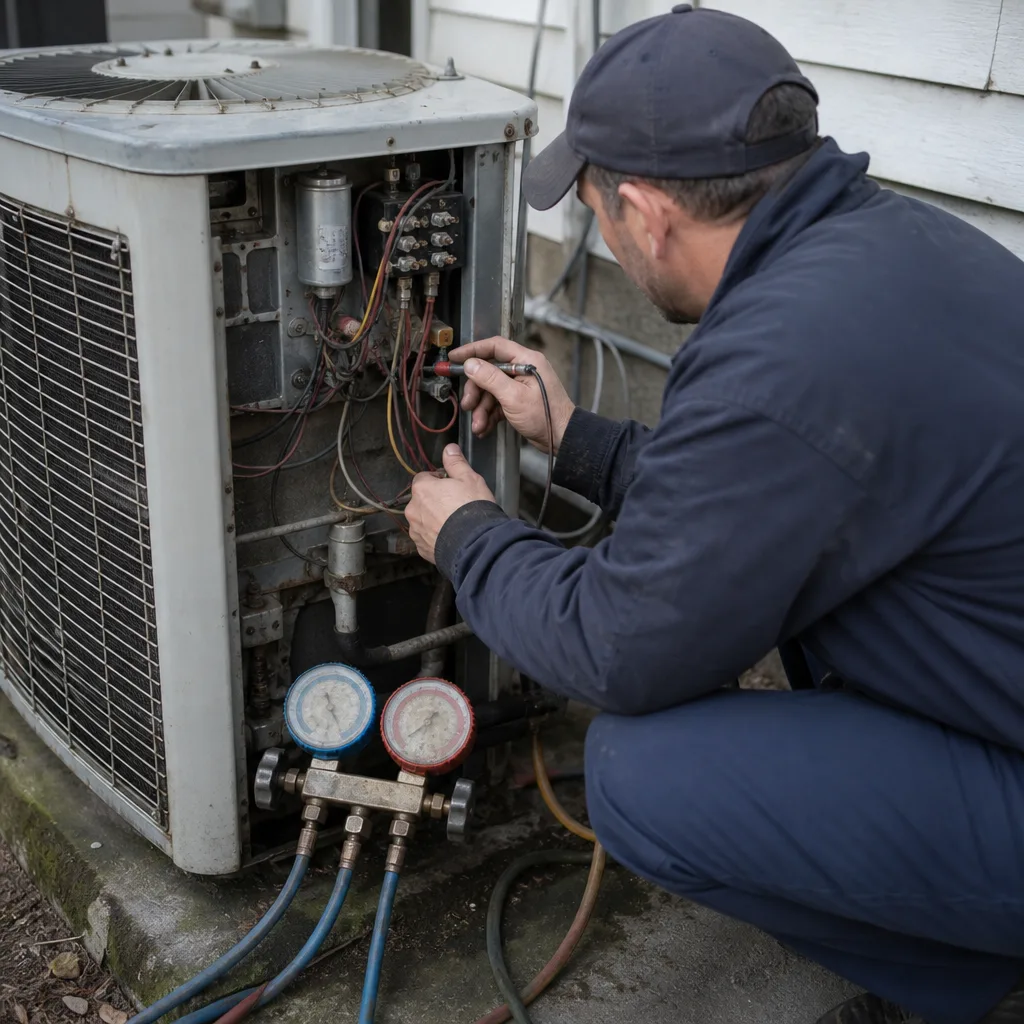 Before
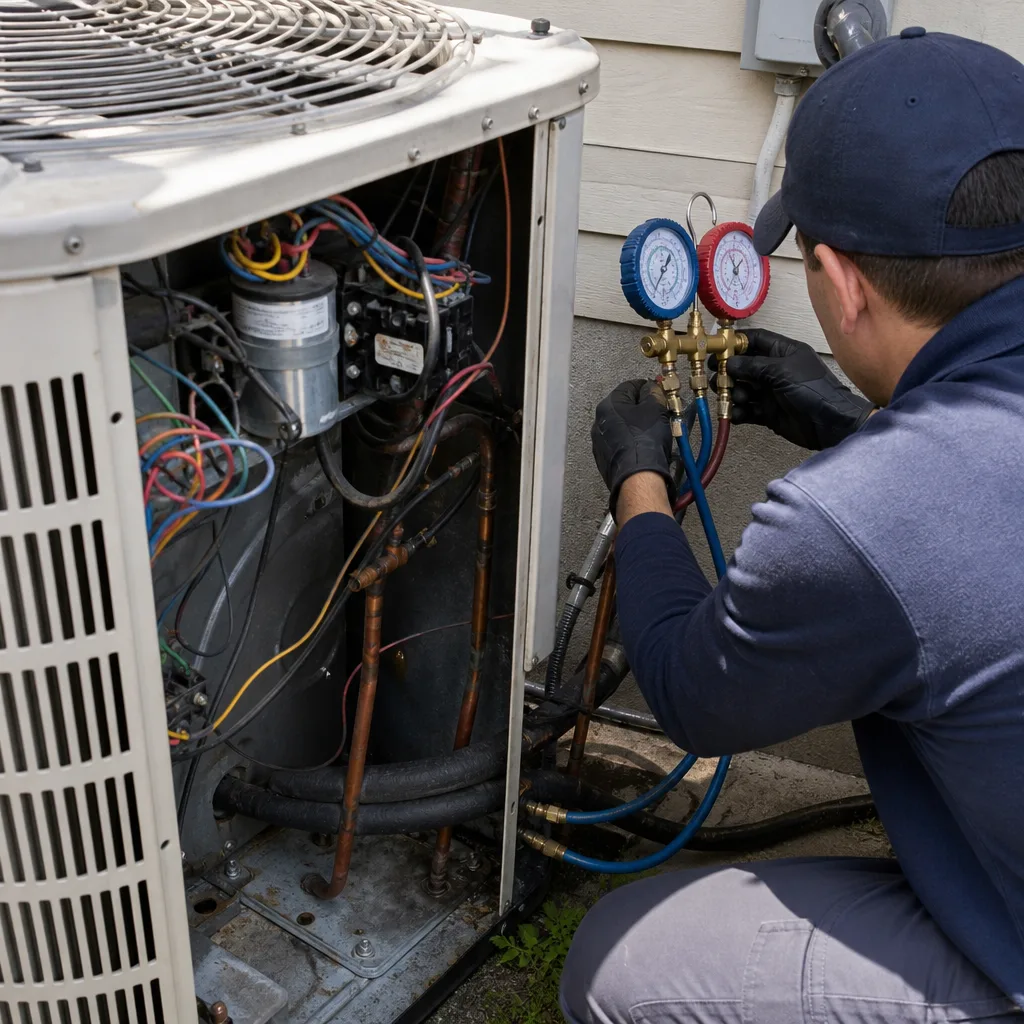 After
After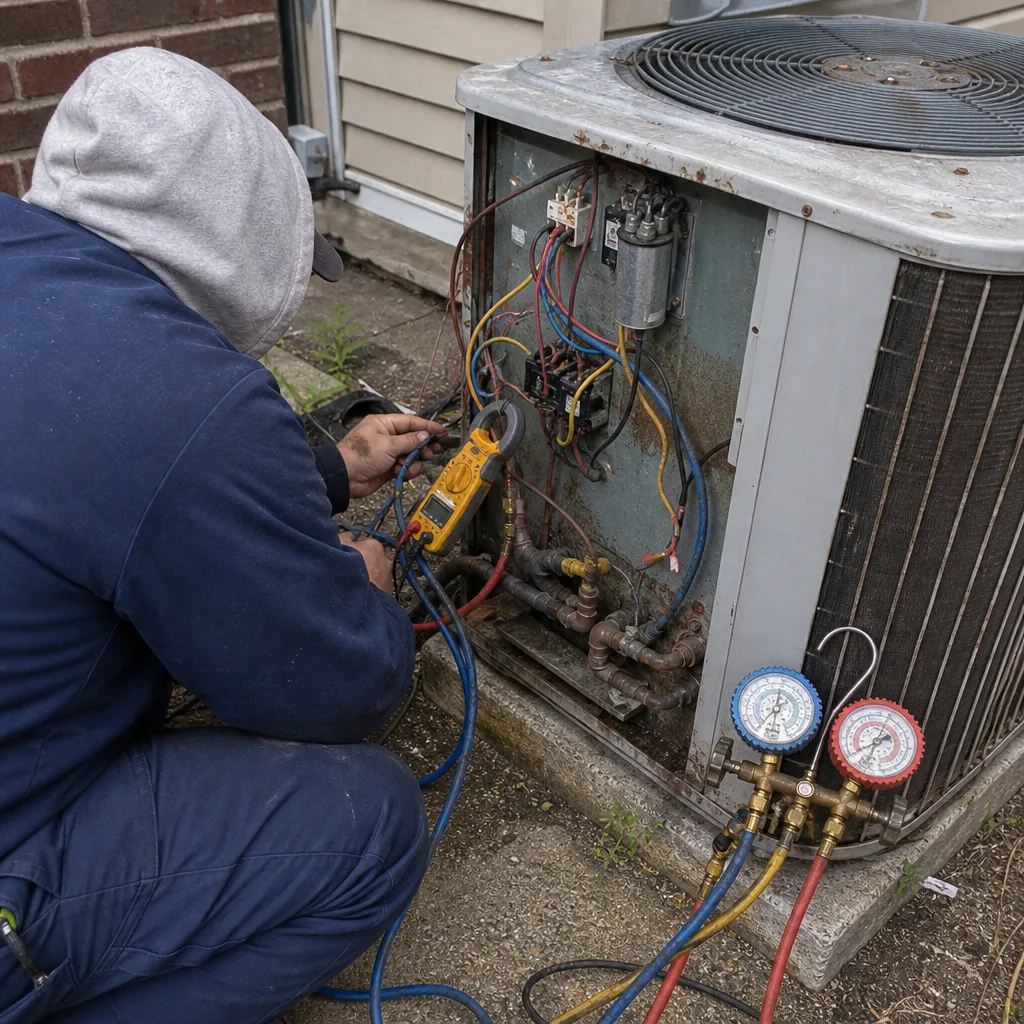 Before
 After
AfterReplacement Cost & What’s Included
For a Carrier capacitor replacement in Brooklyn, the installed cost runs $180 to $340, and the range mostly comes down to whether it’s a single-run or dual-run capacitor, how hard the condenser is to access, and whether the unit is on a roof, in a backyard, or in a tight light well. The part itself is usually $25 to $75. The rest is the service call, the diagnosis, the swap, and the testing afterward.
- Capacitor part: $25 – $75
- Labor and diagnosis: $120 – $220
- Roof or difficult access: adds $30 – $50
- Total installed: $180 – $340
You get a written price before anything is touched, so the number we quote is the number on the invoice. If the new capacitor fails within the first year, the replacement and the labor are covered under our 365-Day Done Right Promise. No pro-rating, no runaround. We also check the contactor and wiring at no extra charge while we’re in there, because a burned contactor and a dead capacitor usually travel together.
DIY or Call Us?
The honest answer: this is one part you should not change yourself. A capacitor holds a charge even after the power is off, and touching the wrong terminals can give you a serious shock. It’s small, it looks simple, and it can hurt you badly. We drain the stored charge safely, test the old part, and verify the new one before we put the panel back on.
What you can safely do is read the label on the existing capacitor and note the voltage and µF rating, which helps us know exactly what to bring. You can also check the breaker and make sure the thermostat is set properly. But once you’ve got a humming condenser and a hot house, call us at (315) 873-2984. We’ll send a uniformed technician who brings shoe covers, answers questions in plain English, and leaves the area around the unit cleaner than it was found.
FAQs
A Carrier capacitor in Brooklyn heat typically lasts 5 to 10 years, but roof-mounted units baking in direct sun can eat one in 3 to 5. Heat is the main killer, and a Brooklyn rooftop in August is about as hard on capacitors as any environment in the country. If your unit faces west and sits on black tar, expect the shorter end.
No. A capacitor is a sealed, non-serviceable component, and once it swells, leaks, or drifts more than about 10% from its rated microfarads, the fix is replacement. There is no safe way to rebuild one on a job site. The good news is that replacement is quick and relatively inexpensive compared to a compressor.
Most Carrier capacitor replacements take 30 to 60 minutes from the time we arrive, including the diagnosis, the swap, and the test run. If the condenser is on a roof or difficult to access, add a little time for getting up there.
We stock the common dual-run ratings (35/5, 40/5, 45/5) in both 370 and 440 volts, plus several single-run sizes, so most Brooklyn calls are handled on the first visit. If your Carrier has an unusual rating, we can usually source the exact part from a local supply house the same day.
Written by Luis Serrano, Owner, Meadowsweet Heating and Air Brooklyn at Meadowsweet Heating and Air Brooklyn, serving Brooklyn and nearby areas.