
Last updated October 16, 2026
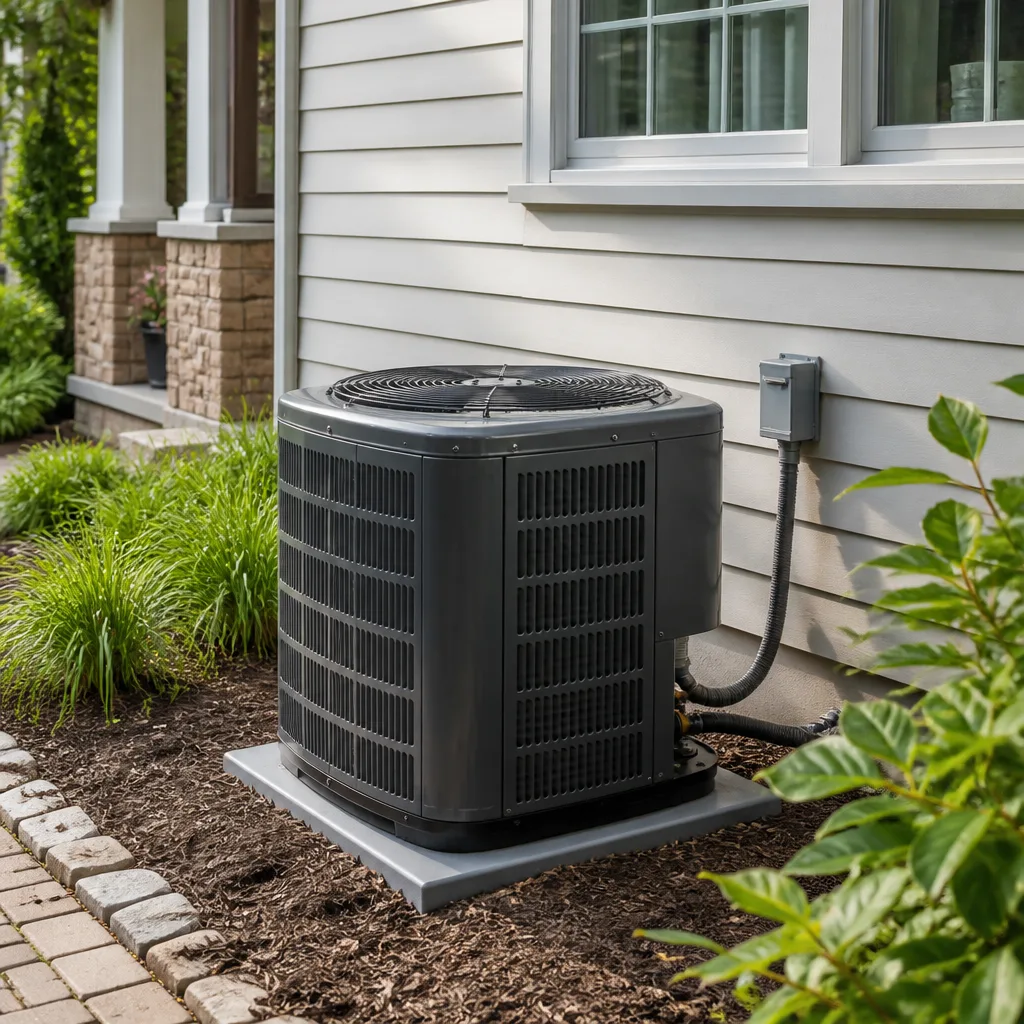 AC repair
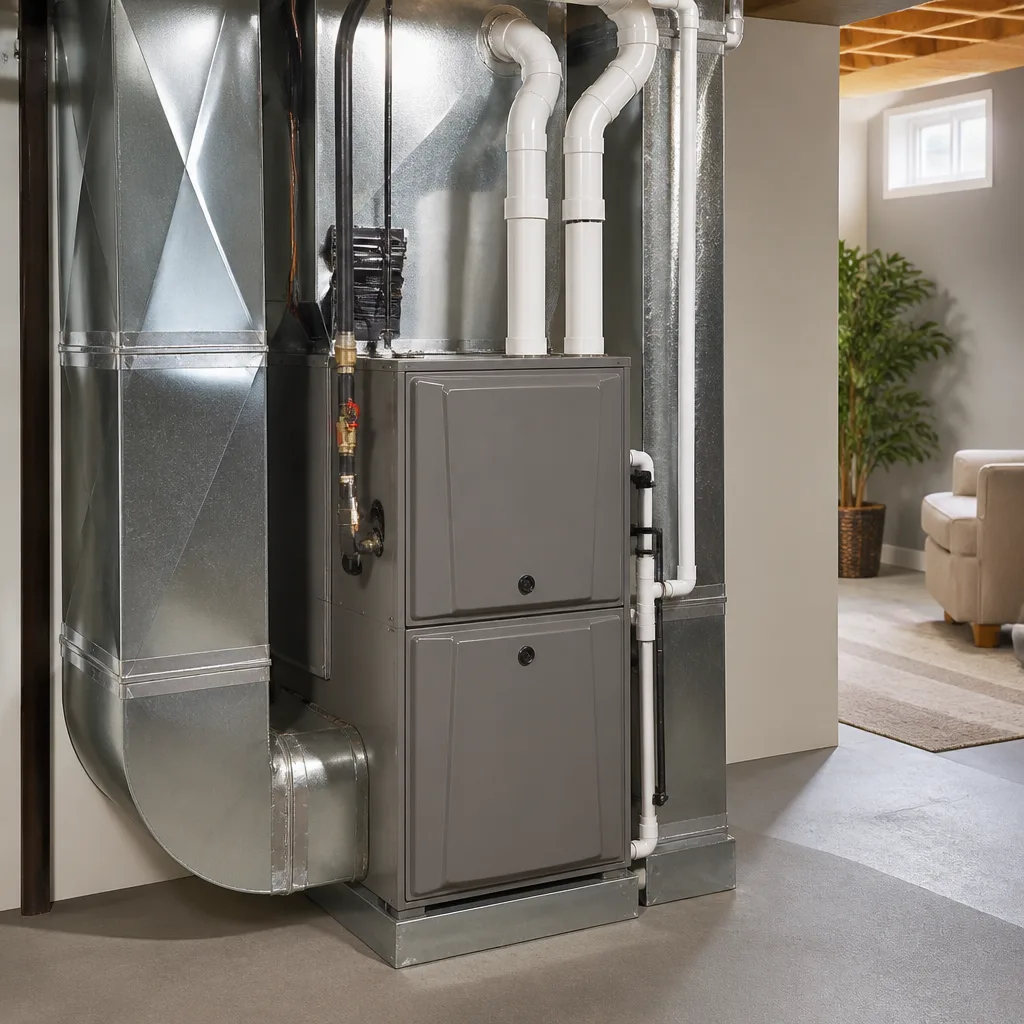 Furnace & heating
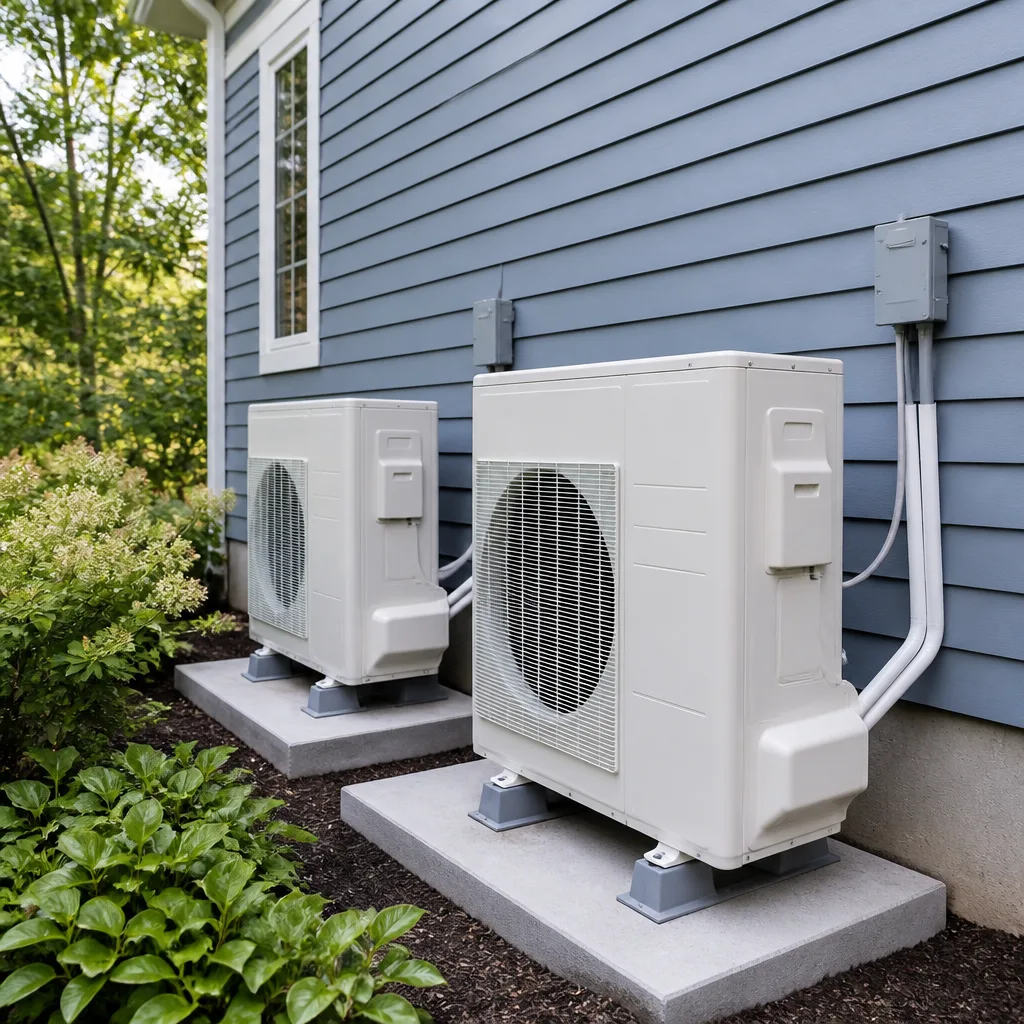 Heat pumps
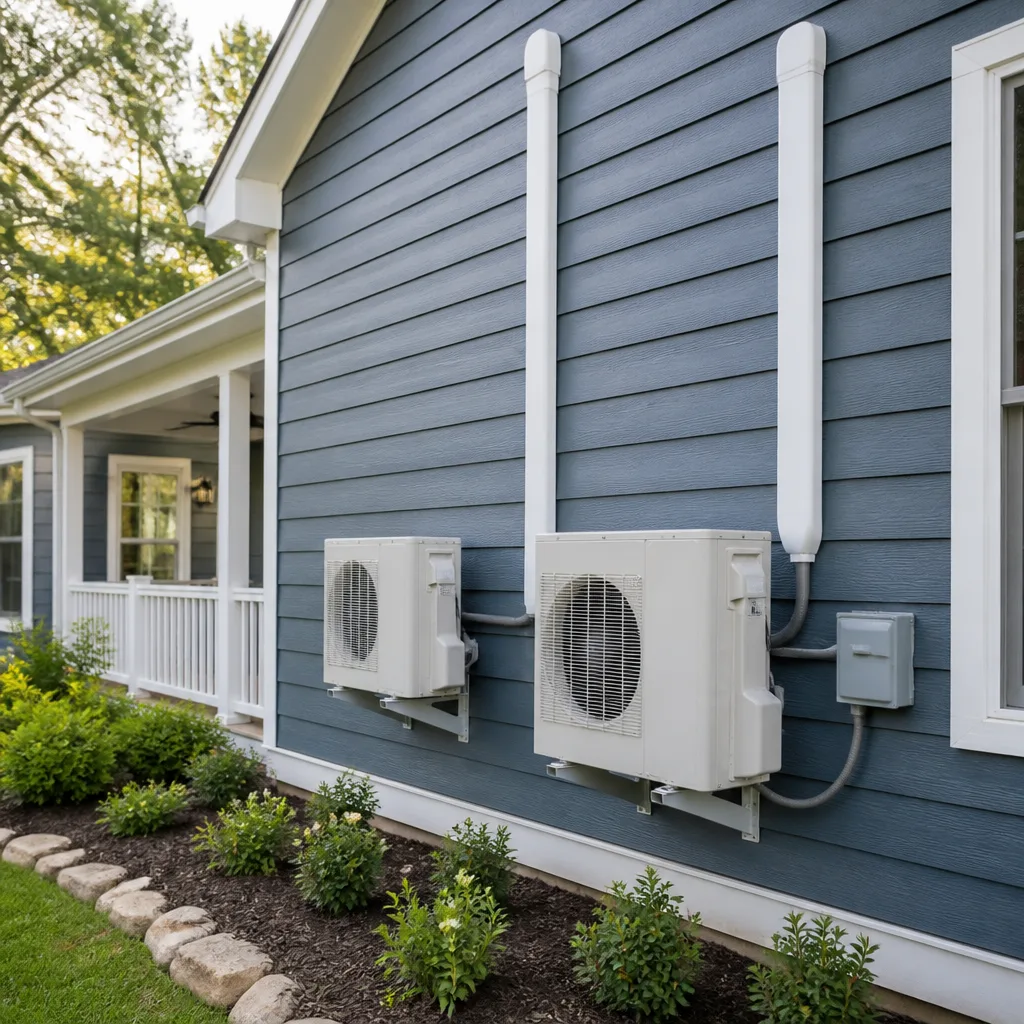 Ductless mini splits
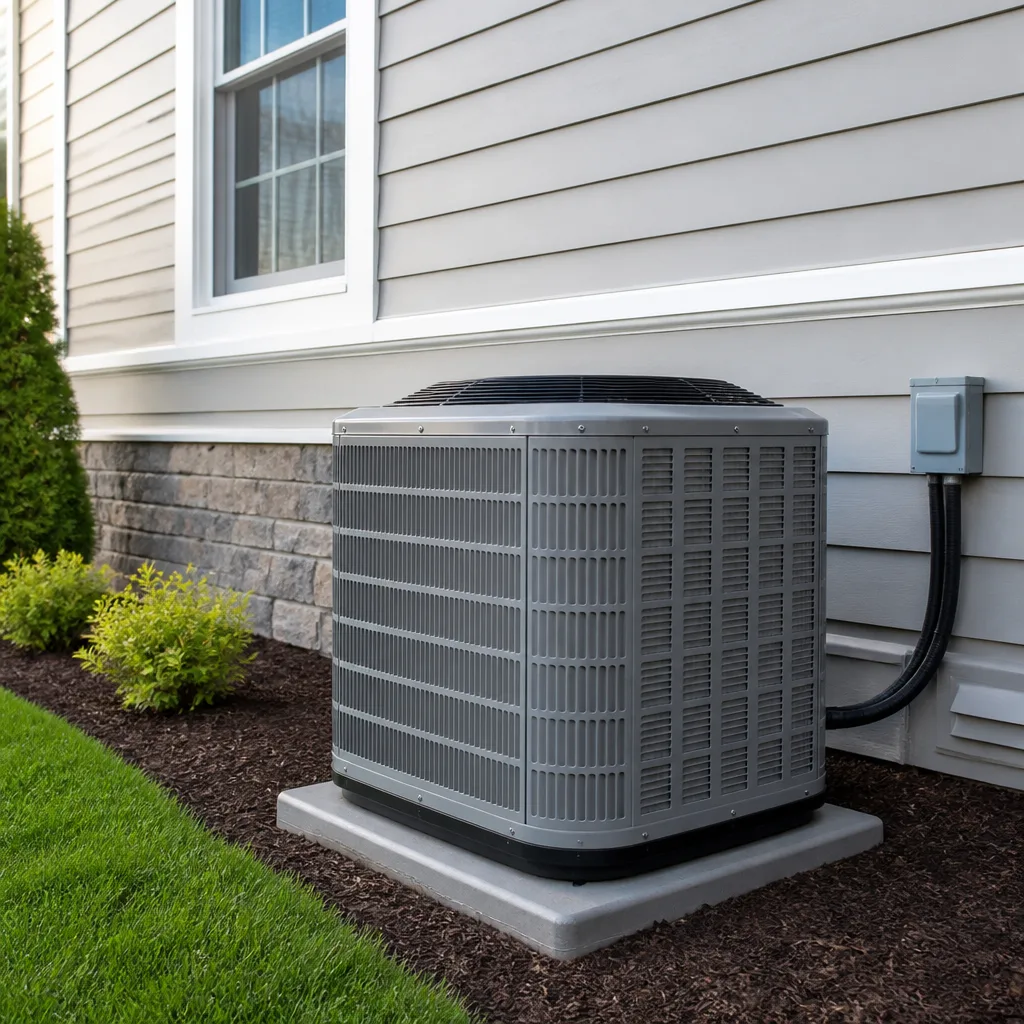 Carrier
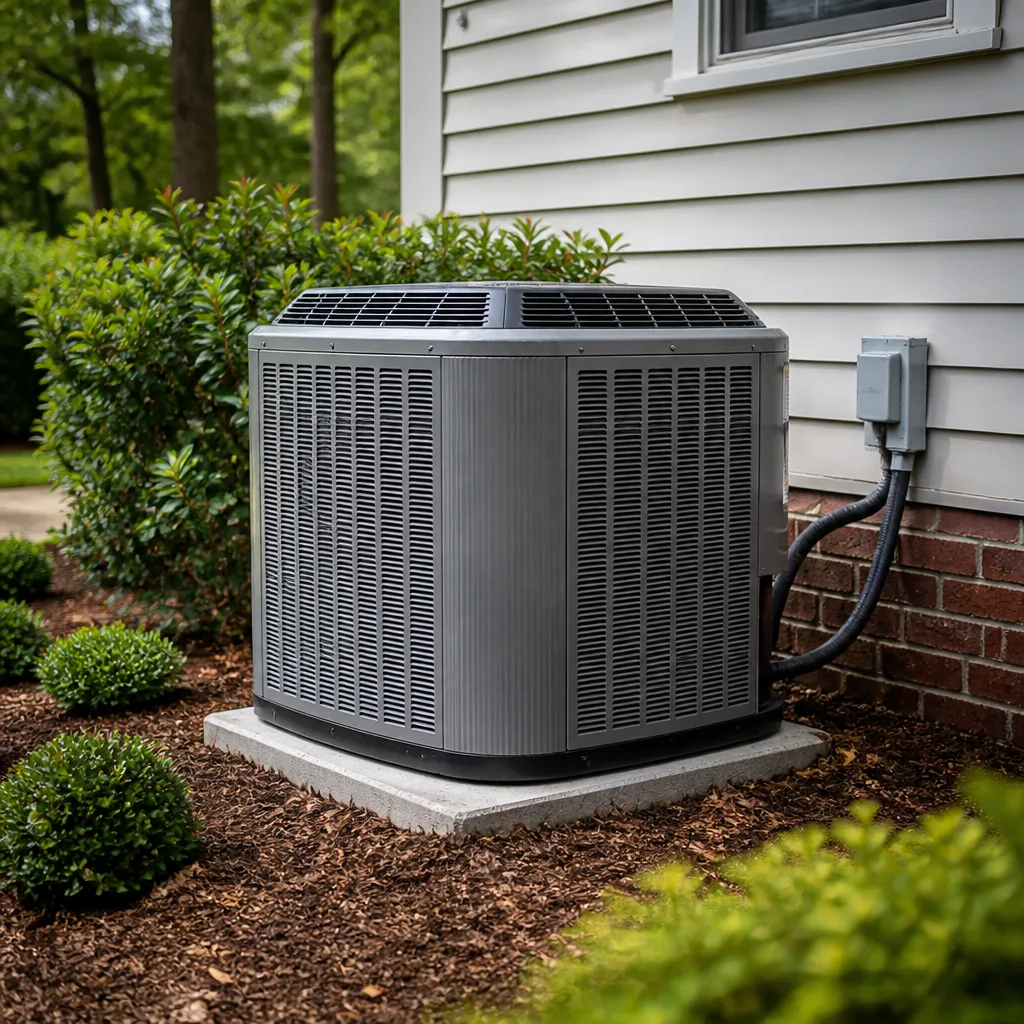 Trane
Trane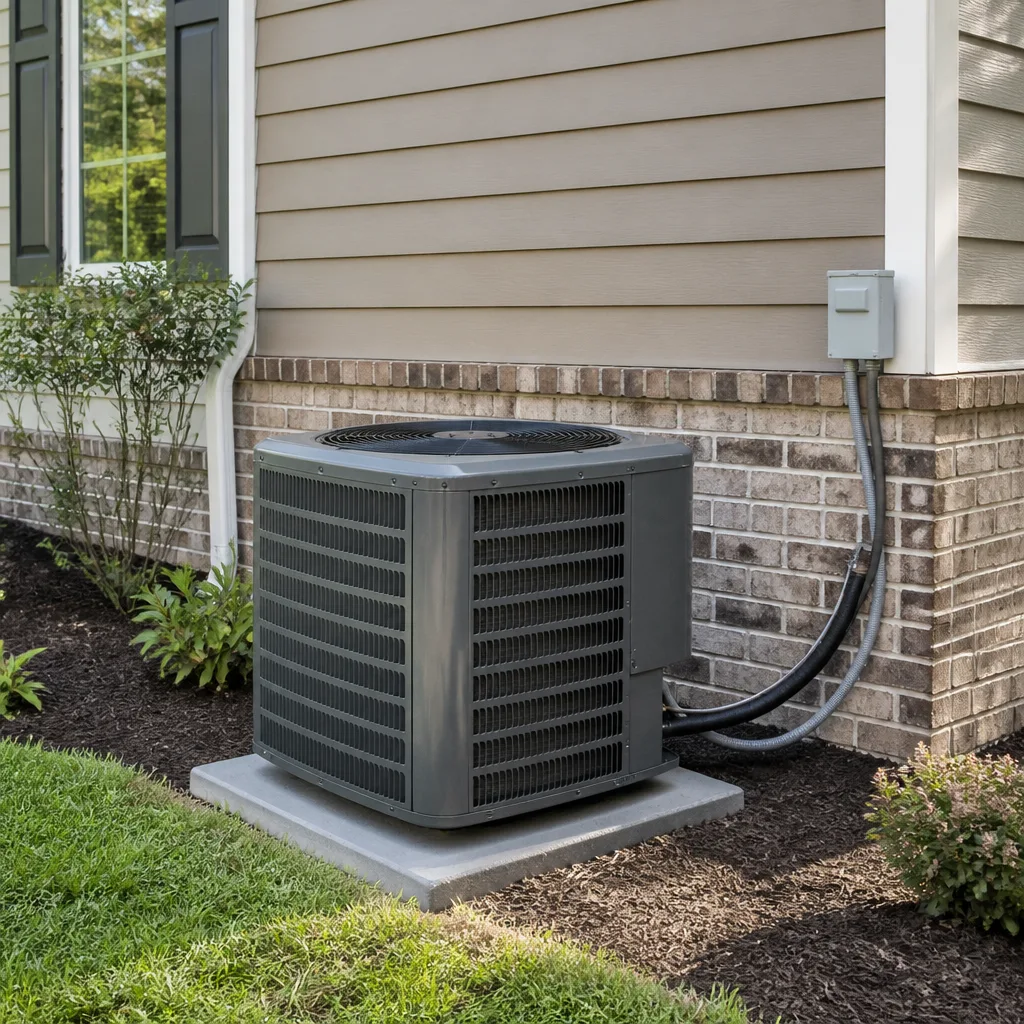 Goodman
Seasonal tune-up and full diagnostic on your Carrier, Trane, or Goodman system - readings shown to you before any repair is proposed
Diagnosis first, numbers second - you approve the repair price before a single part goes in.
Get your free estimateHVAC Permits, Codes & Inspections in NY: What You Need to Know
A mini-split that needs zero paperwork in Hoboken can require a full DOB Alt-2 filing across the river in Brooklyn Heights. That’s not an exaggeration. New York City runs its own permitting universe under the Department of Buildings, separate from New York State code, and the line between “no permit needed” and “Full Plan Examination” shifts based on your building’s age, height, and occupancy class. This guide untangles the NYC DOB filing categories, the real difference between a permit and an inspection, what “work without a permit” means when you sell, and how a brownstone owner in Park Slope should think differently than a co-op shareholder in Bay Ridge. You’ll learn what to ask any contractor before they touch your system, and what paperwork should be in your hand before the first inspection. Brooklyn has more HVAC permit variance per square mile than anywhere else in the country, and we’ll explain why.
Styles & brands we work with
Quick Answer
In New York City, most HVAC work beyond a like-for-like part replacement requires a permit from the NYC Department of Buildings, and the filing type depends on the equipment’s size, fuel type, and your building’s classification. A direct furnace or boiler swap in a one- or two-family home sometimes needs only an Over-the-Counter filing, while a whole-home AC conversion with new ductwork in a Brooklyn brownstone can trigger Standard Plan Examination or a Certificate of Occupancy amendment. The permit is the permission to work; the inspection is the proof the work matches the approved plan and code. Skipping either becomes a title issue when you sell.
Table of Contents
- NYC DOB Filing Types: What Over-the-Counter, Standard Plan, and Full Plan Actually Mean
- The Difference Between a Permit and an Inspection in New York City
- NYC Mechanical Code Section 106: Where Small Jobs Cross Into Permit Territory
- Certificate of Occupancy Amendments for Brooklyn Brownstone HVAC Conversions
- What Unpermitted HVAC Work Looks Like in a DOB Property Search and What Buyers Do With It
- The Inspection Sequence: Rough, Final, and Sign-Off for a Permitted HVAC Job
- Common Mistakes to Avoid
- When to Call a Professional
- Frequently Asked Questions
- The Bottom Line
NYC DOB Filing Types: What Over-the-Counter, Standard Plan, and Full Plan Actually Mean
New York City’s Department of Buildings doesn’t hand out a single generic “HVAC permit.” It processes work through three filing paths, and each exists for a reason. The path determines how much review your job needs, how many city eyes look at the plans, and how long you wait before a crew can legally start.
Over-the-Counter (OTC) is the simplest filing. The DOB examiner reviews the application while you wait, and approval often happens the same day. OTC is reserved for straightforward work: a like-for-like furnace replacement in a one- or two-family home, a direct boiler swap with no change in capacity, or replacing an AC condenser with the same size unit. The key phrase is “like-for-like.” If the new equipment’s capacity, fuel type, or location changes, OTC no longer applies. For a Brooklyn homeowner in Sheepshead Bay or Midwood with a dead furnace in February, OTC matters because it shaves days off the timeline. A contractor who knows this path can get a heat source restored fast without cutting a single code corner.
Standard Plan Examination steps up when the work is more involved: new ductwork runs, a furnace upgrade that changes BTU output, an AC installation where no system existed before, or any job that alters the building’s exhaust or ventilation configuration. The DOB performs a more detailed plan review, which typically takes a few weeks, not a few hours. Contractors who work in Brooklyn’s older housing stock deal with Standard Plan reviews regularly because prewar buildings rarely have modern duct paths, and retrofitting one triggers more scrutiny than a clean swap in a newer home.
Full Plan Examination is the most rigorous review, and it’s required for larger buildings, certain fuel-burning equipment changes, or jobs in structures with complex occupancy classifications, such as mixed-use buildings over four stories or buildings with commercial space on lower floors. A Full Plan review can take months, and the plans must be signed and sealed by a New York State licensed professional engineer or registered architect. For a brownstone owner converting from radiator heat to central air, the likelihood of Full Plan Examination depends on the building’s certificate of occupancy and whether the mechanical scope changes the egress or fire-rated assemblies. We’ve worked on Ditmas Park Victorians where a seemingly simple AC install crossed into Full Plan territory because the proposed condenser location altered a fire escape clearance, and that detail only surfaced through plan review.
The practical takeaway: the contractor who says “we don’t need permits for this in New York” is usually thinking of New Jersey or upstate code. New York City is its own animal. Always ask which filing type your job falls under and whether the person preparing the plans is a registered design professional. If they can’t answer in one sentence, they haven’t filed enough Brooklyn work.
For a deeper look at what a complete system install involves, our AC Installation in Brooklyn guide explains the full process, including the permit and inspection milestones we handle on every job.
The Difference Between a Permit and an Inspection in New York City
Most homeowners conflate the permit and the inspection as one step, but they serve completely different functions. The permit is the DOB’s written authorization to begin work. It’s issued after the filing is approved and fees are paid. It means the city has reviewed the scope and agrees the work can proceed under the submitted plans and the NYC Mechanical Code.
The inspection is the DOB’s verification that the work actually performed matches the work that was approved. It happens during the job (rough inspection) and after the job is complete (final inspection). The permit is the permission; the inspection is the proof. You can’t schedule an inspection without a permit, and a final inspection that never gets signed off leaves the permit “open” in DOB records, which becomes a problem later. In Brooklyn, we regularly see open permits from HVAC work done years ago that the homeowner never knew existed until a buyer’s attorney flagged it.
Here is the sequence in order:
- The design professional prepares drawings and the filing application.
- The contractor or expediter files the application with the DOB under the correct filing type.
- The DOB approves the application, and the permit is issued.
- The contractor posts the permit at the job site (required by law).
- Work begins and proceeds to the rough inspection stage before walls or ceilings are closed.
- The DOB inspector performs the rough inspection and signs off or issues objections.
- Work is completed, and the final inspection is scheduled.
- The DOB inspector performs the final inspection and signs off, closing the permit.
One thing to understand about Brooklyn specifically: DOB inspectors are assigned by district office, and inspection scheduling operates on a citywide online system. The wait for a rough inspection can stretch from a few days to a few weeks depending on the season and the borough’s volume. A contractor who knows the system will schedule the rough inspection the moment the ductwork is hung and the electrical rough-in is complete, so the job doesn’t stall waiting on the city. That’s the kind of timing issue that separates a smooth install from a six-week delay in a Carroll Gardens renovation.
If your furnace has failed and you need a fast Furnace Repair in Brooklyn, the permit question still applies when the repair becomes a replacement. A like-for-like swap can often move through an OTC filing quickly, but the inspection requirement doesn’t disappear.
NYC Mechanical Code Section 106: Where Small Jobs Cross Into Permit Territory
Section 106 of the NYC Mechanical Code lays out what requires a permit and what doesn’t. The general rule is that a permit is required for any installation, alteration, removal, or repair of mechanical systems, with a few narrow exceptions. The exceptions are where homeowners get confused.
Work that generally does NOT require a DOB permit under Section 106 includes:
- Replacing a part on an existing system with a like-for-like part (a burned-out blower motor, a failed capacitor, a worn igniter).
- Portable heating appliances that plug into a standard wall outlet.
- Portable air conditioning units that sit in a window or on the floor and vent through a window opening.
- Cleaning, adjusting, or basic maintenance on an existing system.
Work that generally DOES require a permit includes:
- Installing a new furnace, boiler, or AC system where none existed before.
- Replacing a furnace, boiler, or AC system with a unit of different capacity, fuel type, or location.
- Installing ductwork, including new supply or return runs.
- Installing a mini-split system, except in very limited circumstances.
- Converting from one fuel type to another (oil to gas, for example).
- Relocating an existing piece of equipment to a different spot in the building.
The mini-split question is the one we answer most often in Brooklyn. A through-the-wall PTAC unit in a rental apartment usually doesn’t need a permit. A ductless mini-split with an outdoor condenser on a backyard pad or roof, connected to an indoor head by refrigerant lines that penetrate the building envelope, almost always does. The penetration is the trigger. Once you pierce the wall or roof to run line sets, you’ve altered the building envelope, and the DOB wants a filing for that. The reason the same job needs no permit in New Jersey is that New Jersey operates under the Uniform Construction Code with different triggers for mechanical work, and a single-family home mini-split often falls under a minor work category that doesn’t require a full permit. New York City has no equivalent minor work exception for mechanical systems at that scale.
For Brooklyn townhouse owners, Section 106 also matters for boiler replacements. A direct replacement of a gas boiler with the same BTU input and venting configuration can often file OTC. But Brownstone Brooklyn has thousands of homes originally built with coal-fired boilers converted to oil and then to gas over decades. Almost every one of those conversions changed capacity or venting at some point, and a replacement today frequently requires more than OTC because the venting is no longer code-compliant under current mechanical code. A contractor working in Bed-Stuy or Clinton Hill has to check what the last legal filing actually shows, not just what’s physically sitting in the basement.
Certificate of Occupancy Amendments for Brooklyn Brownstone HVAC Conversions
A Certificate of Occupancy (C of O) is the DOB document that records a building’s legal use, occupancy class, and approved layout. When a Brooklyn brownstone owner converts from radiator heat to central air conditioning, that change often touches the C of O because the mechanical scope alters the building’s approved systems, and in some cases the added condenser locations change the building’s exterior features.
Here’s the process in plain language:
- A registered architect or engineer evaluates the current C of O against the proposed mechanical work.
- If the work triggers a C of O amendment, the design professional files an alteration application that includes the HVAC changes.
- The DOB reviews the filing (the type depends on scope: OTC, Standard Plan, or Full Plan).
- After approval, the permit is issued and work begins.
- Rough and final inspections are completed for the mechanical work.
- The architect or engineer submits final sign-off documentation.
- The DOB issues an amended or new Certificate of Occupancy reflecting the legal status of the work.
Realistic timeline for a brownstone C of O amendment with central air: three to six months from initial filing to amended certificate, assuming no objections or audit holds. If the building is in a landmarked historic district, such as Brooklyn Heights, Park Slope, or parts of Fort Greene, the Landmarks Preservation Commission must approve the exterior condenser location before the DOB review can conclude. That adds another six to ten weeks in most cases. Condenser locations on the front facade of a landmarked brownstone are frequently rejected, so the design professional needs to find a rear yard or roof alternative that meets both LPC and DOB requirements.
The C of O amendment is not optional administrative busywork. If a homeowner does a full mechanical conversion without updating the C of O, the building’s legal records no longer match its physical state. At sale, a buyer’s attorney will request the C of O and the DOB property history, and the mismatch becomes a negotiation point or a deal breaker. We’ve seen closings delayed for months over an HVAC conversion that was never amended. The fix costs more at that stage than it would have at the start of the project.
One more thing specific to Brooklyn: many brownstones in neighborhoods like Prospect Heights and Crown Heights still carry C of Os from before the 1968 Building Code, and those older documents sometimes don’t itemize mechanical systems at all. A knowledgeable architect can determine whether the HVAC work actually triggers an amendment or whether a letter of no objection is the correct filing. Guessing wrong wastes months.
If you’re considering a full AC Installation in Brooklyn for your brownstone, the permit and C of O conversation should happen before you choose equipment, not after. The equipment choice – particularly condenser size and location – drives what the city will approve.
What Unpermitted HVAC Work Looks Like in a DOB Property Search and What Buyers Do With It
The NYC DOB maintains a public online database called the Buildings Information System (BIS) and a newer system called DOB NOW. Anyone can search a Brooklyn address and see every permit application, permit, inspection, violation, and open item filed against that property. When a homeowner does HVAC work without a permit, nothing appears in the DOB system. That silence is loud.
Here’s what a buyer’s attorney sees when unpermitted HVAC work exists at a property:
- No permit application for a furnace or AC install that the seller disclosed as recently replaced.
- Physical equipment on site (visible during inspection) that does not match any DOB records.
- Potential open violation risk if the DOB ever learns the work was done without a permit.
- A title issue: the buyer’s title insurer may refuse coverage or add an exception for the unpermitted work.
The buyer’s attorney will typically respond with one of three demands: the seller must legalize the work retroactively (file late, bring the work up to current code, and obtain sign-off), the seller must reduce the price by the estimated cost of legalization, or the deal dies. Retroactive legalization is more expensive than filing correctly the first time, because the DOB may require selective demolition to verify hidden work, and the current code applies, not the code in effect when the work was done. A Carrier furnace installed without a permit in 2019 may not meet 2026 venting requirements when it’s finally reviewed.
Brooklyn specifics matter here. The borough has one of the highest volumes of interior renovation in the city, and buyer-side attorneys in the Brooklyn market are aggressive about DOB searches. They see unpermitted mechanical work frequently, and they know exactly how to price it. In markets like Manhattan where co-op boards have their own alteration review, unpermitted work inside an apartment is sometimes caught earlier by the board’s architect. In Brooklyn’s one- and two-family home market, the DOB search is the first and often the only line of defense, and it happens late in the deal process, after the buyer has already spent money on inspections and legal fees. That timing gives the buyer leverage.
The practical advice: if you’re buying a Brooklyn home that had a recent furnace or AC replacement, ask the seller for the DOB permit and final inspection sign-off before you sign. If they can’t produce it, the equipment is unpermitted until proven otherwise, and that is a negotiation point, not an afterthought.
We see this from the service side too. Homeowners call us for AC Repair in Brooklyn on a system that was never permitted, and the first question is whether the repair itself will expose the unpermitted work to the DOB. A simple part replacement won’t. Replacing the entire outdoor unit will, because the new condenser won’t match what was there before and the change physically alters the system.
The Inspection Sequence: Rough, Final, and Sign-Off for a Permitted HVAC Job
A permitted HVAC job in Brooklyn has a defined inspection sequence, and knowing what happens at each stage keeps the job moving and avoids failed inspections, which cost time and money.
Stage 1: Rough Inspection. The rough inspection happens when the work is partially complete and the mechanical and electrical elements are still visible. For a furnace or AC install, the rough inspection typically happens after the equipment is set in place, the ductwork is hung, the electrical is roughed in, and the refrigerant linesets are run, but before walls and ceilings are closed. The DOB inspector verifies that the installed work matches the approved plans: the equipment is the approved make and capacity, the duct runs follow the approved layout, the electrical overcurrent protection matches the plan, and clearances around the equipment meet code. What the homeowner should have in hand: a copy of the approved plans, the DOB permit number, and the equipment cut sheets for the installed units.
Stage 2: Objections and Corrections. If the inspector finds issues, they issue an objection, which is a written list of items that must be corrected before re-inspection. Common objections in Brooklyn: insufficient clearance around a furnace in a tight basement mechanical room, duct supports that don’t meet code spacing, electrical disconnect located too close to the equipment, or a condenser pad that isn’t level and secured. The contractor corrects the items, files a correction notice, and schedules re-inspection.
Stage 3: Final Inspection. The final inspection happens when the work is complete. The inspector verifies the system operates, the condensate drainage is correct, the gas line (if applicable) is properly connected and tested, the flue or venting is code-compliant, and the equipment meets the manufacturer’s installation requirements. For AC systems, the inspector may check the refrigerant charge documentation (the contractor should have recorded the subcooling or superheat values from startup). For furnaces, the inspector may verify combustion air requirements and carbon monoxide testing.
Stage 4: Sign-Off. After the final inspection passes, the DOB inspector signs off the job. The permit is closed, and the work becomes part of the building’s legal record. The homeowner should receive confirmation from the contractor or architect, and the sign-off appears in the DOB property search. At this point, the work is legally complete, and any future sale of the property will show a clean paper trail.
One thing to keep in mind about Brooklyn: many older homes have mechanical rooms that were never designed for modern equipment. A furnace in a Williamsburg cellar with a six-foot ceiling and narrow stair access might pass a rough inspection only if the contractor planned carefully for the equipment’s clearance dimensions. Brands with compact cabinet designs matter more in Brooklyn than they do in the suburbs. We regularly install Rheem and Daikin units in tight Brooklyn mechanical rooms because their cabinet dimensions work where other brands physically don’t fit while still meeting the DOB clearance requirements.
The inspection sequence is one area where the contractor’s competence determines the timeline. A filing expediter who knows the Brooklyn DOB office patterns, a design professional who draws plans that reflect the actual building conditions, and a field crew that installs to the plan rather than improvising will move through rough and final inspection on the first pass most of the time. Improvisation is what causes objections.
Common Mistakes to Avoid
- Believing the contractor who says “New York doesn’t require permits for this.” New York City requires permits for almost every mechanical installation beyond part replacement, and the contractor who says otherwise is either uninformed or willing to risk your home’s title for their own speed.
- Assuming a mini-split needs no permit because it’s “just a small system.” The wall penetration and building envelope alteration trigger the permit requirement in NYC, regardless of the system’s size.
- Filing an OTC application for work that actually needs Standard Plan review. The DOB will catch the mismatch, and the refiling wastes weeks while the job sits stalled.
- Waiting until the sale of the home to address open permits or unpermitted work. Retroactive legalization always costs more than filing correctly the first time, and the buyer’s attorney has the leverage at that point.
- Replacing a furnace or boiler with a different capacity without checking the C of O implications. A capacity change can trigger a filing upgrade that the contractor never mentioned, leading to an open permit that haunts the property.
- Skipping the rough inspection to save time and closing the walls anyway. The DOB inspector can demand the walls be opened back up for verification, which doubles the cost of the drywall work.
- Choosing equipment based on brand preference alone without considering DOB clearance requirements. The equipment must fit the approved location on the plans, and in tight Brooklyn mechanical rooms, that constraint drives the brand choice more than any brochure spec.
When to Call a Professional
Any Brooklyn homeowner facing one of these situations should call a licensed contractor before making decisions: a furnace or boiler replacement of a different brand or capacity, a first-time central air or mini-split install, a fuel conversion from oil to gas, any HVAC work in a landmarked district, or a sale contingency that requires opening a permit. The DOE filing rules are not guessable from a homeowner’s general knowledge, and the cost of guessing wrong compounds quickly. Meadowsweet Heating and Air Brooklyn offers free estimates in Brooklyn – call (315) 873-2984. We walk the permit and inspection path on every install, and the Cedarwell Care Promise means a written price before any work starts, shoe covers and drop cloths on every visit, and a photo of the clean-up before the crew leaves. No surprise permits, no surprise fees, no filing shortcuts that become title problems later.
Frequently Asked Questions
Yes, in almost all cases. If the replacement unit matches the existing unit’s capacity, type, and location, the job usually qualifies for an Over-the-Counter filing, which is the fastest permit path. If the new unit changes capacity or location, the filing type escalates. A portable window AC unit that plugs into a wall outlet is the main exception. Call (315) 873-2984 if you’re unsure which path applies to your Brooklyn home.
Over-the-Counter filings can be approved the same day. Standard Plan Examination typically takes two to six weeks depending on DOB volume and objections. Full Plan Examination takes one to four months, and jobs involving Landmarks Preservation Commission review in Brooklyn historic districts add another six to ten weeks. The timeline depends on the filing type, not the contractor’s schedule.
The buyer’s attorney will find the absence of permits in a DOB property search and will typically demand retroactive legalization, a price reduction, or termination of the deal. Retroactive legalization costs more than filing correctly the first time because current code applies and selective demolition may be required to verify hidden work.
No. The permit is the DOB’s written approval to start the work. The inspection is the verification that the completed work matches the approved plans. You need the permit first, then the rough inspection during the job, then the final inspection and sign-off at the end. An open permit without a final sign-off is a title problem.
Yes, in almost all cases. The refrigerant line set penetrates the building envelope, which triggers the DOB mechanical permit requirement. The only common exception is a completely portable unit that vents through a window without any wall penetration. A contractor who claims a mini-split needs no permit in NYC is not giving you accurate information.
No. NYC does not issue homeowner permits for mechanical work. The work must be performed by a licensed contractor, and the filing must be prepared by a registered design professional where the filing type requires it. DIY mechanical installation without a permit is illegal, unsafe, and will surface as unpermitted work at sale.
The Bottom Line
NYC’s HVAC permit system is layered because the city’s building stock is layered: six-story walk-ups next to landmarked brownstones next to postwar co-ops, each with different code triggers. The permit is permission; the inspection is proof; the sign-off is the record that protects your home’s value. Filing correctly the first time costs less than fixing it later, and the contractor who can explain your filing type in plain English is the contractor you want on the job. If you’re planning HVAC work in Brooklyn, ask the permit question first, get the written price before anything starts, and expect the crew to leave your floors as clean as they found them. That’s the standard we work to on every job.
Written by Luis Serrano, Owner at Meadowsweet Heating and Air Brooklyn, serving Brooklyn since 2004.
For more on our approach to heating and cooling in Brooklyn, visit the Meadowsweet Heating and Air Brooklyn home page or read our detailed Furnace Repair in Brooklyn and AC Repair in Brooklyn guides.
See the difference
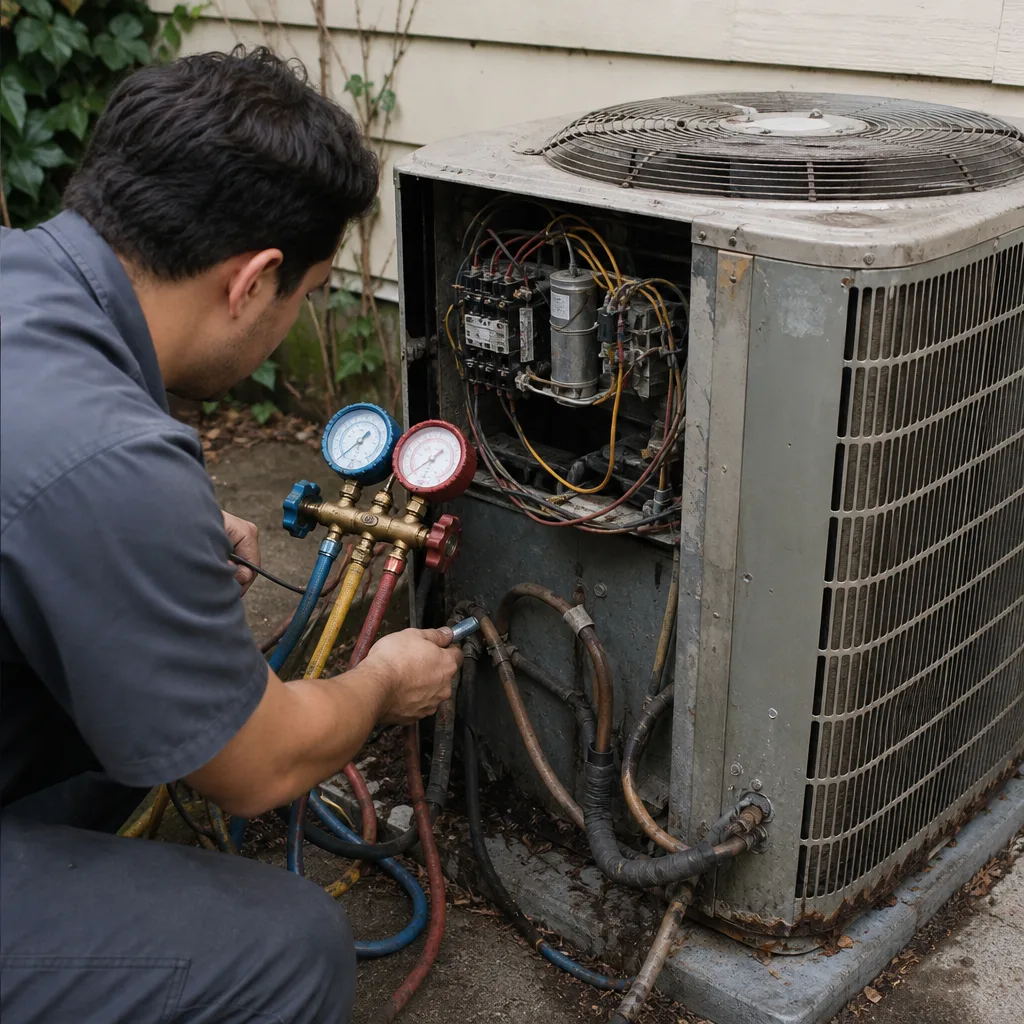 Before
 After
After Before
 After
After Before
 After
After